Roy Keane Critiques English Arrogance After World Cup Exit
Roy Keane has never had much time for English self‑congratulation. After England’s World Cup semi-final defeat to Argentina in Atlanta, he went a step further, accusing fans and pundits of slipping back into what he called a familiar “bit of arrogance”.
England had led the semi-final. Anthony Gordon’s first-half strike had them dreaming, the noise in the stadium swelling with every Argentine misstep. For a while it felt like the script was finally changing.
Then it didn’t.
Late goals from Enzo Fernández and Lautaro Martínez flipped the night on its head and pushed Lionel Scaloni’s side into a second consecutive World Cup final. England were left with another chapter in a long book of tournament frustration and a manager, Thomas Tuchel, at the centre of a storm.
Tuchel had been hired as the man to end the wait, the proven winner parachuted in to turn promise into a trophy. Instead, the reaction to a narrow semi-final defeat was as ferocious as anything seen in recent English post-mortems. The knives were out before the players had even left the pitch.
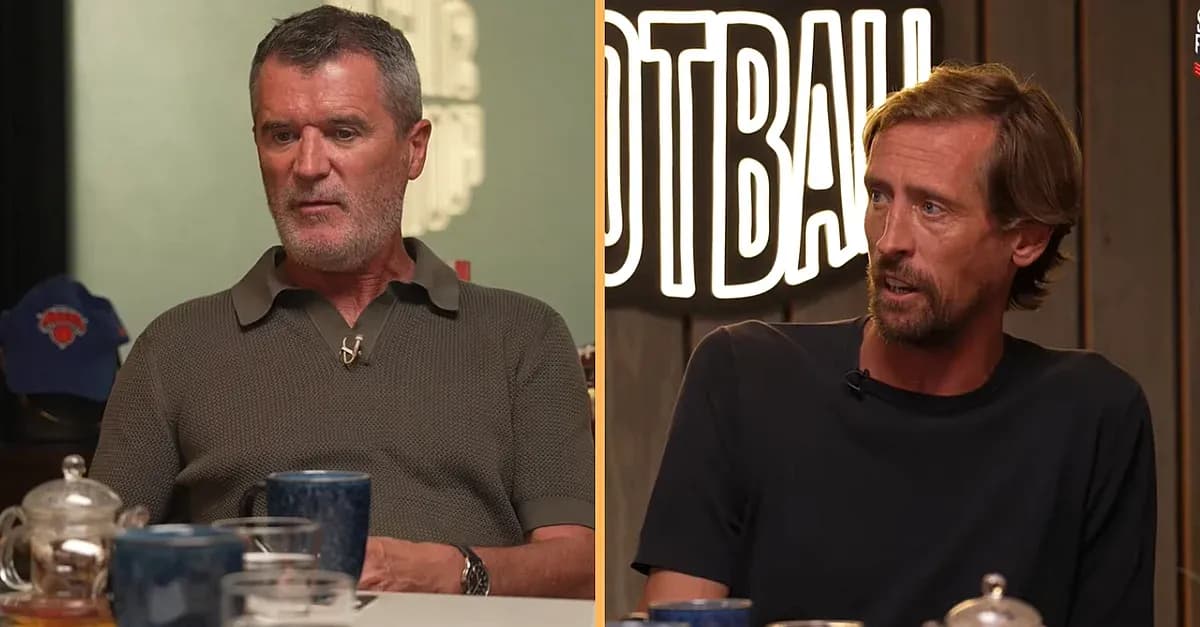
On the latest episode of Stick To Football, Keane sat alongside Gary Neville, Ian Wright and Peter Crouch to pick through the wreckage. What struck him most was not the tactics or the substitutions, but the fury.
Crouch revealed he had been stunned by the backlash online. He had posted — and then deleted — a tweet in the hours after the defeat, a message that tried to hold two ideas at once: admiration for Argentina and pride in England.
“Gutted we are out, but watching Argentina was an experience, Messi's a genius and a hard bastard as well like the rest of them. I'm proud of our lads and what they've achieved at the World Cup, some real heroes emerged and it was a pleasure to have been here for it.”
It was hardly incendiary. But the replies, Crouch said, were vicious.
For Keane, that pile-on said more about England than any tactical breakdown.
“I think this is the bit of arrogance with English fans comes into it and pundits or whatever,” he said, zeroing in on the outrage that followed a defeat at the penultimate hurdle. “Because, what, they got beaten in a semi-final? The World Cup is going on for nearly 100 years and England have won it once. There's been 23 World Cups so why are they thinking they should be winning it?”
He didn’t soften the point. “They're competing, they came up short, that's what happens in sport unfortunately.”
The numbers back him up. One title in almost a century of World Cups, and yet every tournament arrives with a familiar drumbeat: this squad, this time, this golden generation. In Qatar, and now again under Tuchel, England were widely tipped as genuine contenders, their depth and attacking talent hailed as the best in decades.
That optimism quickly curdled into anger in Atlanta. The late collapse against Argentina was framed by many as a disaster, not a narrow defeat to a battle-hardened champion chasing back-to-back finals. Tuchel’s decisions were ripped apart, players’ characters questioned, the entire project cast into doubt.
Keane pushed back against that narrative. Yes, England had a squad capable of going all the way. Yes, they had a lead and lost it. But at this level, he argued, the margins are razor thin. One lapse, one moment of brilliance, one surge of pressure from a side steeped in knockout experience — and a tournament can tilt.
For Keane, that is sport. For a significant chunk of the English fanbase and media, it was framed as failure bordering on humiliation.
The clash between those two viewpoints now hangs over what comes next. Is a World Cup semi-final a platform to build from, or another stick to beat a team with?