Manchester United vs Nottingham Forest: Premier League Clash with Champions League Stakes
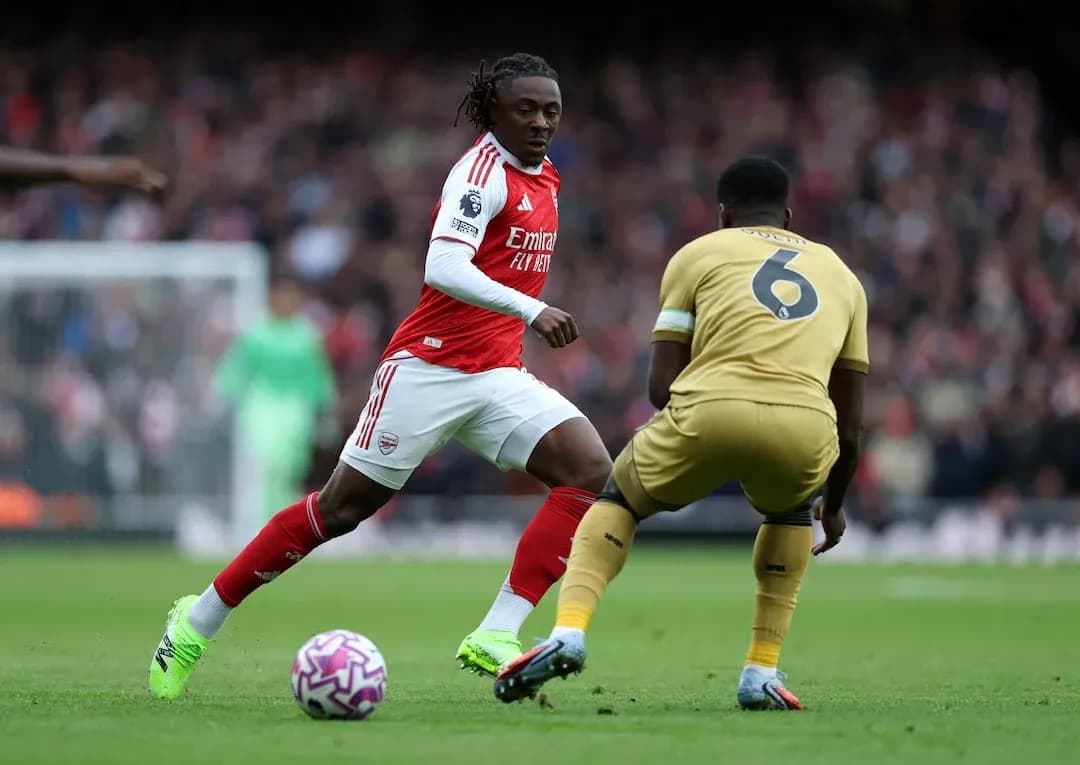
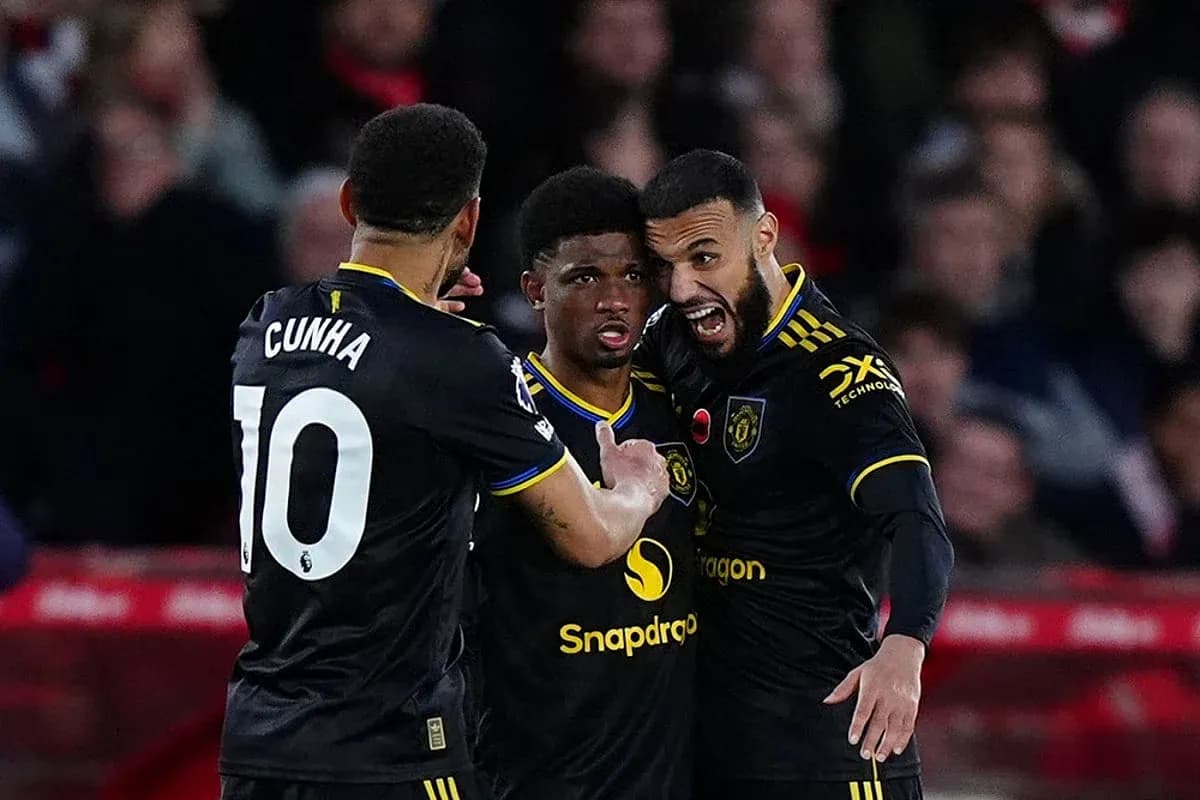
Manchester United host Nottingham Forest at Old Trafford in Regular Season - 37 of the Premier League, a late-season fixture with clear stakes at both ends of the table: United sit 3rd with 65 points and a +15 goal difference in the league phase, looking to lock in Champions League qualification and keep outside pressure at bay, while Forest arrive 16th on 43 points with a -2 goal difference, aiming to put the relegation question beyond doubt before the final day.
Head-to-Head Tactical Summary
The recent head-to-head record is surprisingly Forest-leaning, especially in league play and particularly at the City Ground. On 1 November 2025 in the Premier League (Regular Season - 10) at the City Ground, Nottingham Forest drew 2-2 with Manchester United, coming back from a 0-1 deficit at half-time to share the points. Earlier in 2025, on 1 April in the Premier League (Regular Season - 30) at The City Ground, Forest beat United 1-0, leading 1-0 at half-time and protecting that advantage through the second half.
At Old Trafford, the most recent league meeting on 7 December 2024 (Premier League, Regular Season - 15) ended in a 3-2 away win for Nottingham Forest: the game was level 1-1 at half-time before Forest edged it in the second period. In cup play, Manchester United did claim a narrow win on 28 February 2024 in the FA Cup 5th Round at The City Ground, winning 1-0 after a 0-0 first half, in a more controlled, risk-managed performance. Going back to 30 December 2023 in the Premier League (Regular Season - 20) at The City Ground, Forest won 2-1 after a 0-0 first half, again showing an ability to grow into the game and punish United after the interval.
Overall, the pattern from these exact meetings is of Forest repeatedly finding ways to stay in matches and then strike in the second half, while United’s control phases have not consistently translated into secure results, especially away but also in the most recent Old Trafford encounter.
Global Season Picture
- League Phase Performance:
Manchester United are 3rd with 65 points from 36 matches in the league phase, with 18 wins, 11 draws and 7 losses. They have scored 63 goals and conceded 48, for a +15 goal difference, indicating a productive attack but a defense that allows chances and goals. At Old Trafford they have 12 wins, 3 draws and 3 losses from 18 games, scoring 36 and conceding 22.
Nottingham Forest are 16th with 43 points from 36 matches in the league phase, with 11 wins, 10 draws and 15 defeats. They have scored 45 goals and conceded 47 (goal difference -2), roughly mid-table attacking output with a slightly leaky back line. Away from home they have been relatively competitive: 7 wins, 3 draws and 8 losses, with 26 goals scored and 25 conceded. - Season Metrics:
Scope detection shows team statistics and standings both at 36 games, so these metrics are also in the league phase.
Manchester United’s attacking profile is strong: 63 goals from 36 games, averaging 1.8 goals per match, with 2.0 at home and 1.5 away. Defensively they concede 1.3 goals per game on average (1.2 at home, 1.4 away). Seven clean sheets and only four matches without scoring underline a consistently threatening forward line. Their disciplinary profile is active, with yellow cards spread heavily between minutes 46-60 (21.31% of yellows) and 76-90 (19.67%), and three red cards concentrated in the 46-60 and 76-90 windows, indicating a tendency to defend aggressively under second-half pressure.
Nottingham Forest average 1.3 goals scored per game (1.1 at home, 1.4 away) and 1.3 conceded (1.2 at home, 1.4 away), almost mirroring United’s defensive rate but with slightly less attacking punch. They have kept 9 clean sheets but failed to score in 14 matches, a high volatility profile where they can be either compact or blunt. Their yellow cards peak between minutes 46-60 (25.86%) and 61-75 (22.41%), suggesting a physical, reactive approach in the middle of the second half, with one red card recorded in the 31-45 minute window. - Form Trajectory:
Manchester United’s recent league form string is "DWWWL" in the league phase, which translates to a strong late push: three consecutive wins, followed by a draw and then a loss. The sequence indicates that while they have found a higher attacking and points ceiling recently, there is still vulnerability, particularly when games become stretched or high-risk.
Nottingham Forest’s form string is "DWWWD" in the league phase, an impressive unbeaten run of five matches with three wins and two draws. After a long, inconsistent mid-season stretch, they have tightened up and become more resilient, taking points consistently and showing improved game management, especially given their away record.
Tactical Efficiency
Without explicit numerical attack/defense indices from the comparison block, the efficiency picture must be inferred from the league-phase statistics. Manchester United’s attack can be classed as high-output and generally efficient (1.8 goals per game, only 4 failures to score in 36 matches), especially at Old Trafford where they average 2.0 goals. This aligns with an "Attack Index" that would sit in the upper tier of the league, driven by consistent chance creation and a variety of scoring patterns (biggest wins of 4-2 at home and 1-4 away underline their capacity to overwhelm opponents when the structure clicks).
Defensively, however, United’s "Defense Index" is more middle-of-the-pack: 48 goals conceded in 36 games (1.3 per match) with just 7 clean sheets. The card distribution—high yellow and red incidence in second-half periods—suggests that when they are pushed back, they often resort to recovery fouls and last-ditch defending, which can erode control and invite late-game volatility.
Nottingham Forest show a more balanced but lower-ceiling efficiency profile. Their attack at 1.3 goals per game and 14 matches without scoring points to a streaky "Attack Index": capable of spikes (biggest away win 0-5) but prone to long quiet spells. Their 9 clean sheets and 1.3 goals conceded per game indicate a "Defense Index" that is slightly better than their league position suggests, especially away where they have conceded only 25 in 18 (1.4 per game) and maintain a near-neutral goal difference. The heavy concentration of yellows in the mid-second half indicates a tactical approach built on compactness and aggressive interventions once the game state demands protection of a result.
In pure efficiency terms, United’s attacking strength should outweigh Forest’s defensive solidity at Old Trafford, but Forest’s recent head-to-head record and improved form suggest they can exploit any loss of United’s defensive structure, particularly in transition phases and in the latter stages of each half.
The Verdict: Seasonal Impact
For Manchester United, this match is about consolidating a Champions League place and preserving leverage for a potential push up the table on the final day. Sitting 3rd with 65 points in the league phase, a home win would likely secure a top-4 finish and maintain or even strengthen their position in the Champions League qualification bracket. Dropped points, however, would re-open the door for chasing teams and could turn the final round into a high-pressure scenario, especially given their defensive numbers (48 goals conceded) and the memory of the 3-2 home loss to Forest in 2024.
For Nottingham Forest, 43 points and 16th place in the league phase put them close to safety but not completely out of danger. An away win at Old Trafford would almost certainly remove any remaining relegation anxiety and could even allow them to climb several places, translating defensive improvement and away resilience into tangible table movement. A draw would still be valuable, keeping their unbeaten run going and pushing them closer to the psychological 45-point safety mark. A defeat, by contrast, would keep them mathematically vulnerable going into the final round, especially if teams below them pick up points.
Strategically, the result will shape narratives for 2026: a convincing United win would confirm an upward trajectory underpinned by a strong home record and Champions League football, setting a platform for squad strengthening and tactical refinement. Any slip—draw or loss—would reinforce the perception of structural defensive fragility and difficulty in controlling game states against organised, transition-focused sides like Forest. For Forest, a positive result would validate their late-season tactical adjustments and away-game blueprint, providing a stronger base to recruit and evolve from a lower-mid-table side flirting with danger into a more stable Premier League presence. A heavy defeat, however, would highlight the limits of their current attacking efficiency and keep the pressure high right to the final whistle of the league campaign.