Liverpool's Gamble on Slot Ends: Alonso's Missed Opportunity
Liverpool did not just sack a manager. They detonated a debate.
Arne Slot, champion in his first Premier League season, gone after finishing fifth in his second. Two years, one title, and then the axe. Fenway Sports Group called it “drastic action” with their timing as much as their decision, and across Merseyside the reaction has been the same: why now?
Because the obvious moment to change course wasn’t June. It was January.
Alonso question won’t go away
Xabi Alonso was there. Available. Waiting for his next move after leaving Real Madrid in January, heavily linked with a romantic return to Anfield. The fit felt natural: a Champions League winner in red, a modern coaching star, and a man forged in the game’s harshest spotlights.
Liverpool stayed loyal to Slot.
Alonso waited, listened, and then chose Chelsea last month.
Only weeks later, Slot is out and Andoni Iraola is tipped to come in. The sequence has left supporters and pundits staring at the timeline, not the table. One of them is Jamie Carragher, who did not bother to hide his frustration when he spoke on The Overlap.
“I would have changed him (Slot) for Xabi Alonso,” he said. “As soon as he went to Chelsea, I was thinking that I would keep Slot.”
That line cuts to the heart of the issue. If there was even a flicker of doubt about Slot’s long‑term future, why did sporting director Richard Hughes not move decisively when Alonso was free and willing to talk?
Carragher made no secret of who his first choice would have been. For him, Alonso brought more than nostalgia.
“When I was thinking about Alonso, it was also because he got the best out of Florian Wirtz,” Carragher explained, pointing to the way Alonso elevated one of Europe’s brightest young playmakers. “If you were going to change it, why was it not for Alonso? With Alonso, you have an incredible playing CV, the managers he has been coached by. What he did at Leverkusen. He has managed Real Madrid. I know it didn't go well, but he is used to that pressure and scrutiny.”
The implication is brutal for the current hierarchy: they let their ideal candidate walk into a rival’s dugout, then pulled the trigger on Slot anyway.
Iraola’s fit under the microscope
Now the conversation shifts to Iraola, or more precisely, to whether Liverpool are built for him.
Carragher’s concern is not about the Spaniard’s talent. It’s about the collision between style and squad. Iraola’s teams play at full throttle. High pressing, high line, relentless running. The kind of football that can suffocate opponents — but only if the players are physically and tactically wired for it.
“Beyond the pedigree of the manager,” Carragher warned, his doubts are tactical. The current Liverpool squad has been assembled for different systems, different rhythms. There is no guarantee that the core that delivered a title for Slot can suddenly morph into Iraola’s pressing machine without serious surgery.
“If Liverpool chose Iraola over Alonso, it is very worrying for Liverpool,” he added. “If it is because Alonso wants to play a back three, or his style of play, fair enough. But I am not sure Liverpool has the players to play Iraola's high-pressing game.”
That last line stings. Not because Iraola cannot coach, but because it hints at a deeper issue: is there a clear footballing plan at the top of the club, or are decisions being made in isolation, manager by manager, season by season?
A rebuild with no safety net
All of this lands in a summer that was already shaping up as one of the most consequential of the FSG era.
Mohamed Salah has gone. Replacing his goals, his gravity, his sheer presence on the right wing is a task that would test any recruitment department, even in a stable environment. Liverpool are attempting it while also ripping out the entire coaching structure.
Slot’s exit drags assistants Sipke Hulshoff, Giovanni van Bronckhorst and Ruben Peeters with him. Years of relationships, training‑ground routines, and behind‑the‑scenes authority vanish overnight. Whoever steps into the manager’s office will not just pick a team; he will build a staff from scratch.
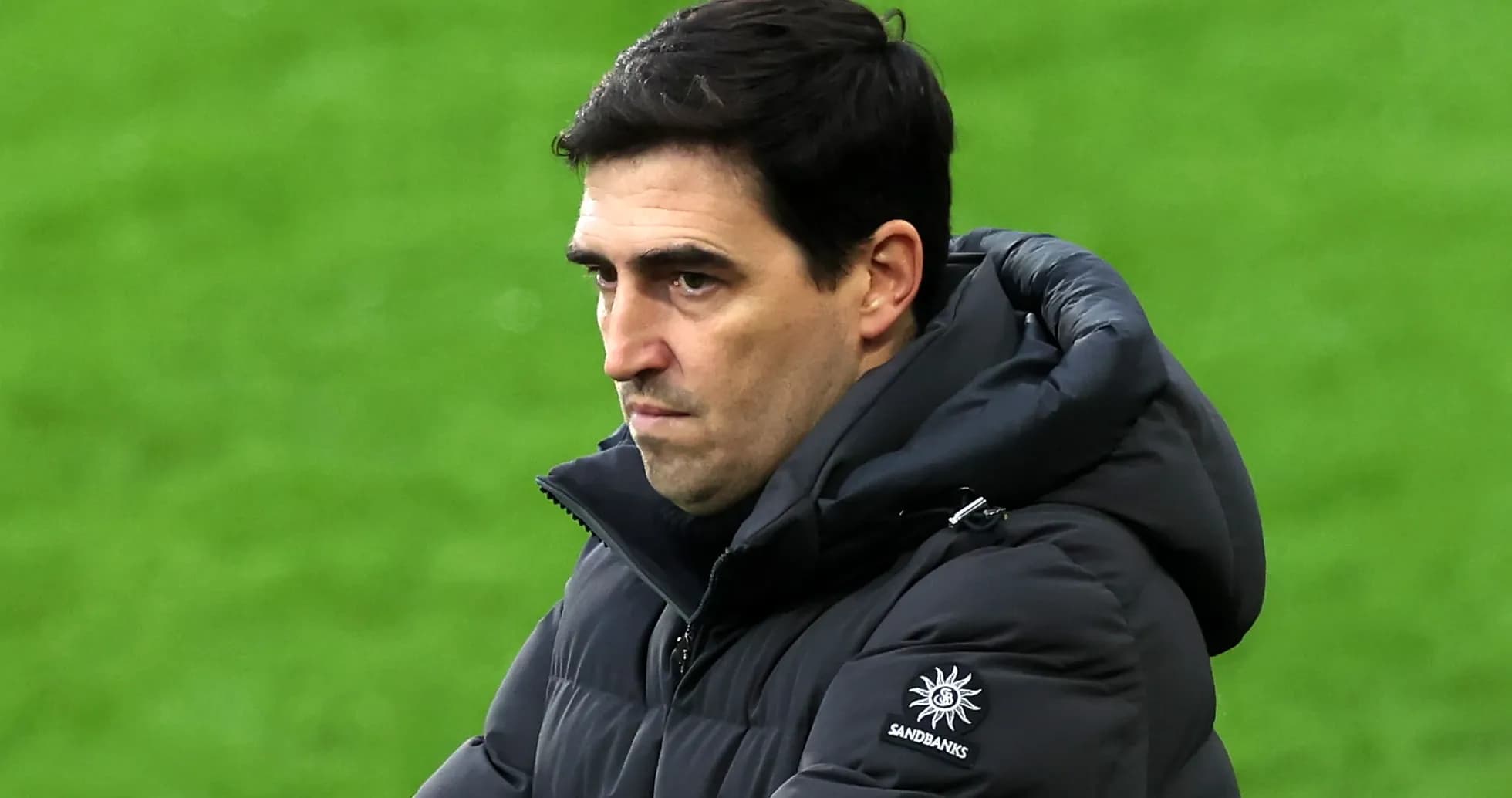
That is a colossal job for any coach. For Iraola, if and when he arrives, it will mean trying to install an intense, physically demanding style while simultaneously learning the club, reshaping the squad, and filling a leadership vacuum in the dressing room and on the training pitch.
Yes, he has rebuilt before. At Bournemouth, he weathered the loss of key players and still kept the project moving forward. But the Vitality Stadium is not Anfield. The pressure at Liverpool is not to survive, or to impress neutrals. It is to win. To compete for titles every year, to go deep in Europe, to live with the weight of history and expectation.
That is the backdrop against which Hughes and FSG have chosen to sack a title‑winning coach, miss out on a club icon in Alonso, and turn to a high‑risk, high‑energy appointment.
The season has not even started, and Liverpool already feel like the most fascinating, volatile story in English football. The question now is stark: has the club engineered a bold new era, or talked itself out of the one manager who might have bridged its past and its future?