Liverpool's Dilemma: Curtis Jones vs. Elliot Anderson's Record Transfer
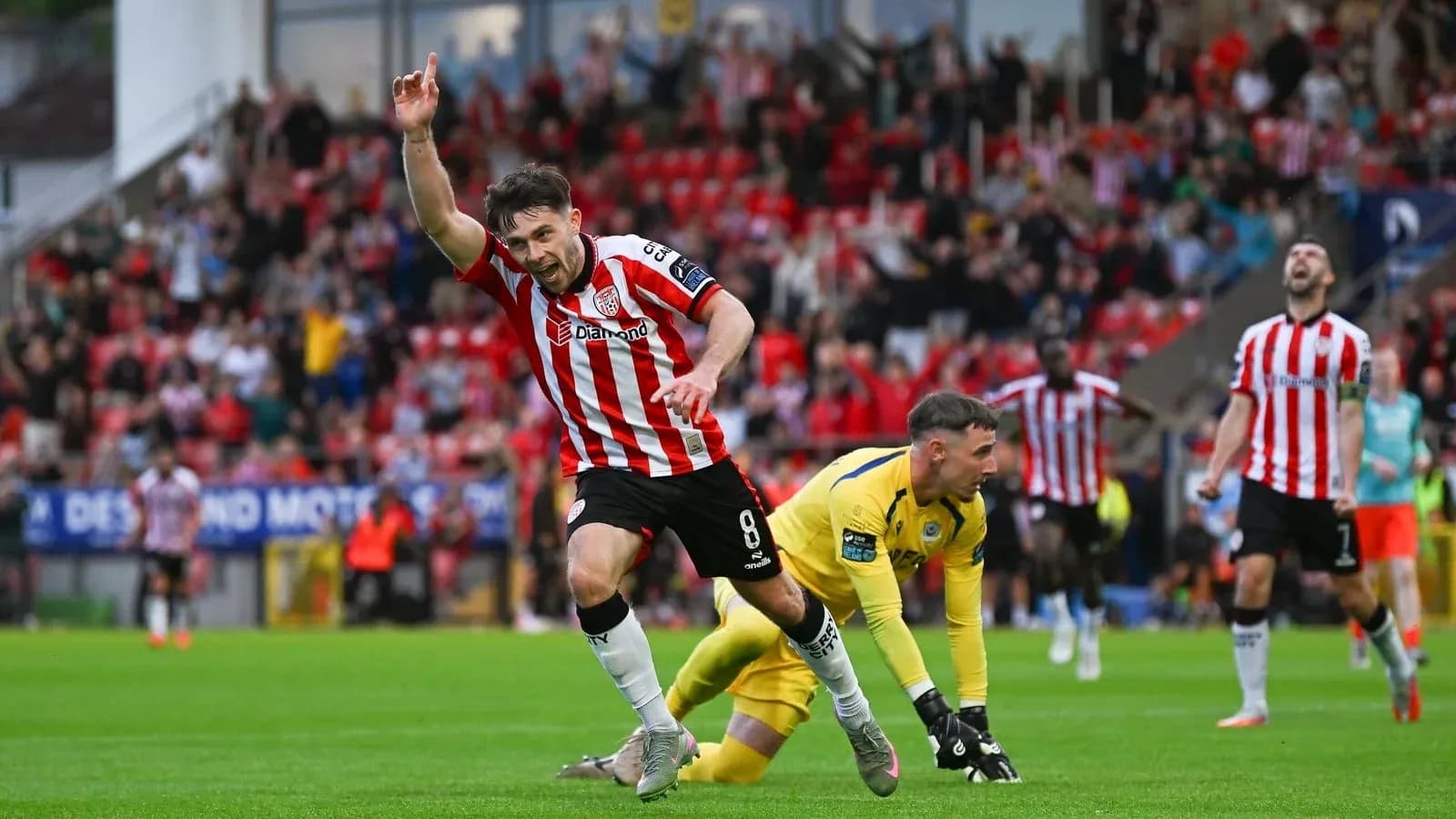
Manchester City’s £116m plunge for Elliot Anderson has not only rewritten the transfer market for midfielders, it has thrown a harsh spotlight on Liverpool’s handling of Curtis Jones.
City’s agreement with Nottingham Forest, reported at £116m, is a landmark deal. It is a club-record fee for the Premier League champions, the highest fee ever paid for a midfielder, and it makes Anderson the most expensive British footballer in history. That is the scale of the statement.
On talent, there is logic to it. Anderson, just 23, already looks an elite modern midfielder: technically polished, tactically sharp, physically robust. He plays with a maturity that belies his age, and there is a clear sense that his ceiling sits among the very best in Europe. Clubs pay a premium for that profile. City have decided to pay the absolute top-end premium.
The knock-on effect is impossible to ignore. Anderson’s price instantly reframes the market for top-level English midfielders — and that is where Liverpool’s stance on Jones starts to look deeply questionable.
Jones is 25, homegrown, and entering the final year of his contract. Those are complicating factors, and they naturally drag his fee below Anderson’s stratospheric level. No one expects Liverpool to command nine figures for him. But the numbers currently being discussed around Anfield are staggering for a different reason.
An asking price of around £35m for Jones sits wildly out of step with the landscape that Anderson’s deal has just defined. Jones is not a squad filler. He is a technically gifted, tactically versatile midfielder with Premier League and European experience, capable of dictating tempo and carrying the ball through lines. In a market that has just seen a 23-year-old English midfielder move for £116m, the idea of letting a player of Jones’s calibre go for roughly a third of that feels like an open invitation to be taken advantage of.
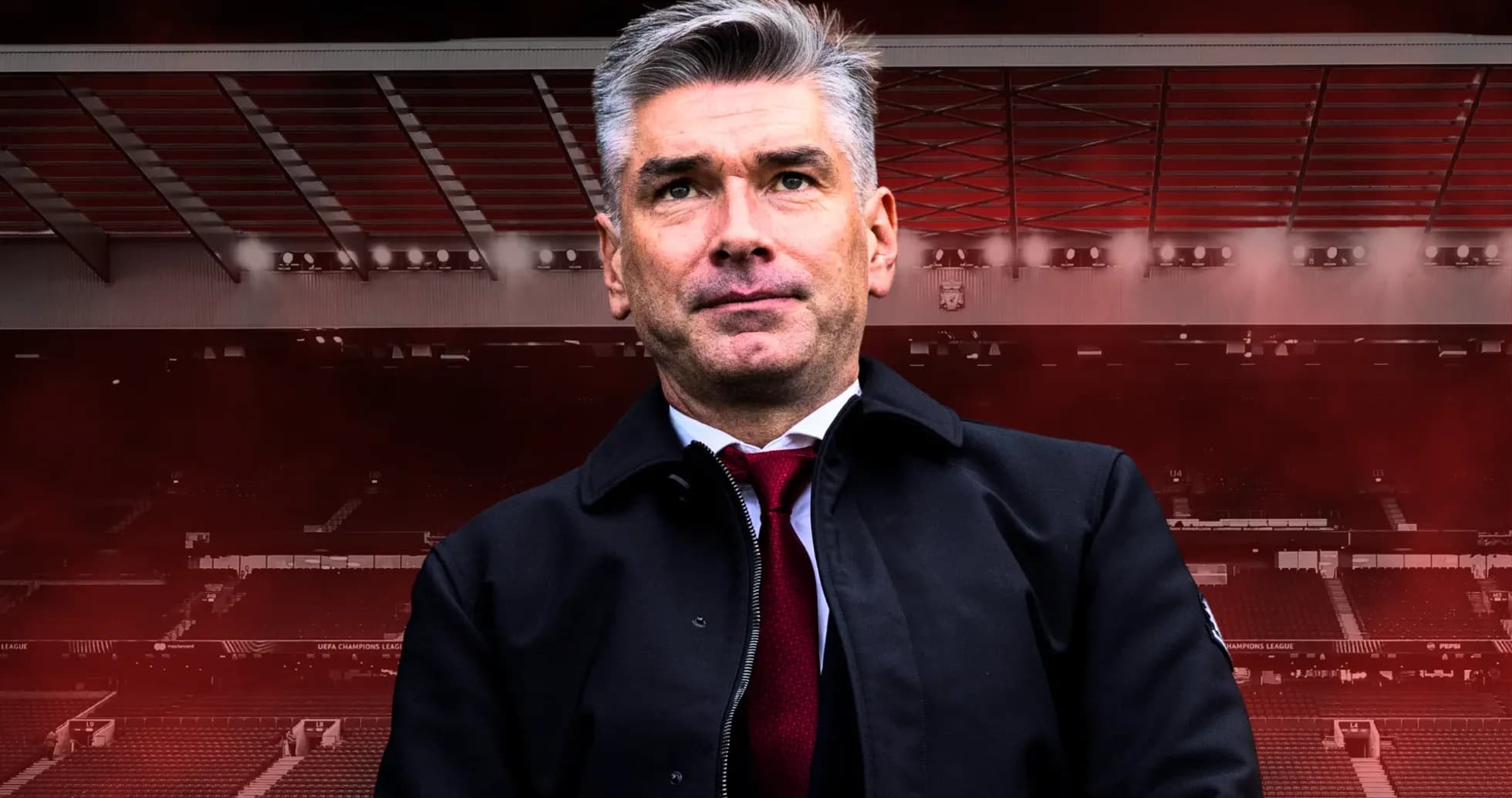
This is where questions land at the door of Richard Hughes. Liverpool’s new sporting director is charged with protecting and enhancing asset value, not slicing it away. Letting Jones drift into the final year of his contract without a resolution, only to then entertain a cut-price exit, is the kind of misstep top clubs usually bend over backwards to avoid.
The logic should be simple. A player of Jones’s quality and profile signs a new deal, securing his long-term future or, at the very least, safeguarding Liverpool’s bargaining position. Instead, the club appears to be edging towards a scenario in which a midfielder easily worth in the region of €90m in this inflated market walks out for a fraction of that.
It is not just poor business. It is a strategic failure with long-term implications. Homegrown, peak-age midfielders with top-level experience are among the most protected commodities in the modern game. Anderson’s fee underlines it in bold. To surrender one under value, by choice, would be to hand a rival a gift.
Liverpool still have time to change course. A renewed push to tie Jones down, a hardening of their valuation, a recognition of what the Anderson deal really signals about the market — all of that remains possible.
But right now, as City celebrate a record-breaking move and Forest bank a transformative fee, Liverpool look to be steering themselves towards one of the most avoidable and damaging deals of the summer.