Ismaël Koné's World Cup Ended After Surgery on Leg Injury
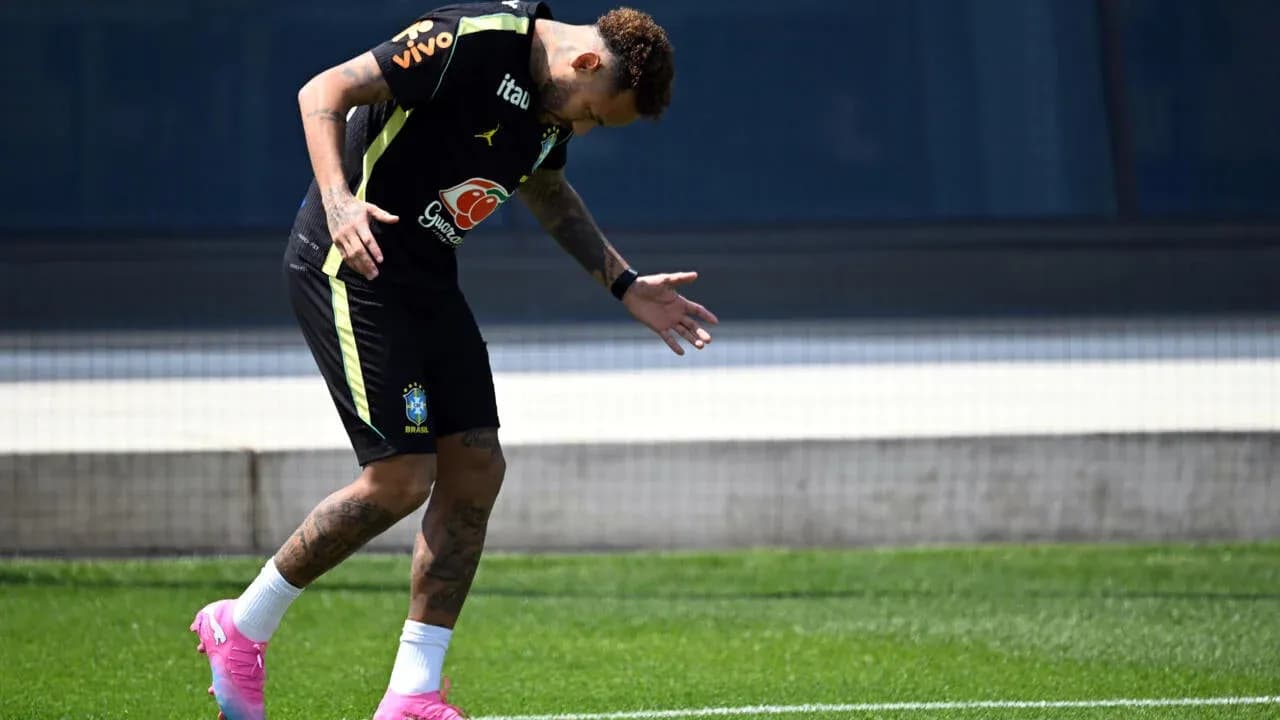
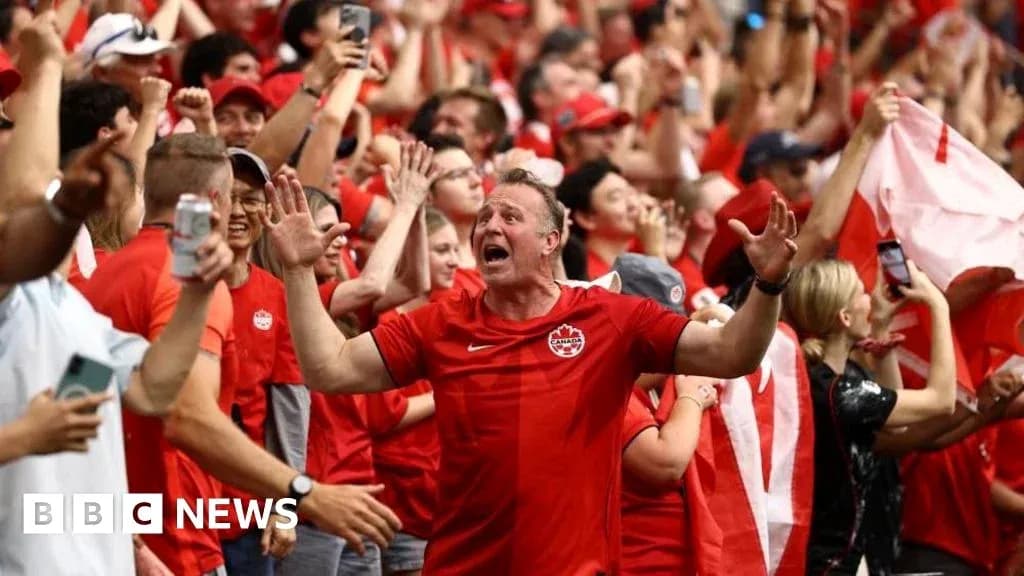
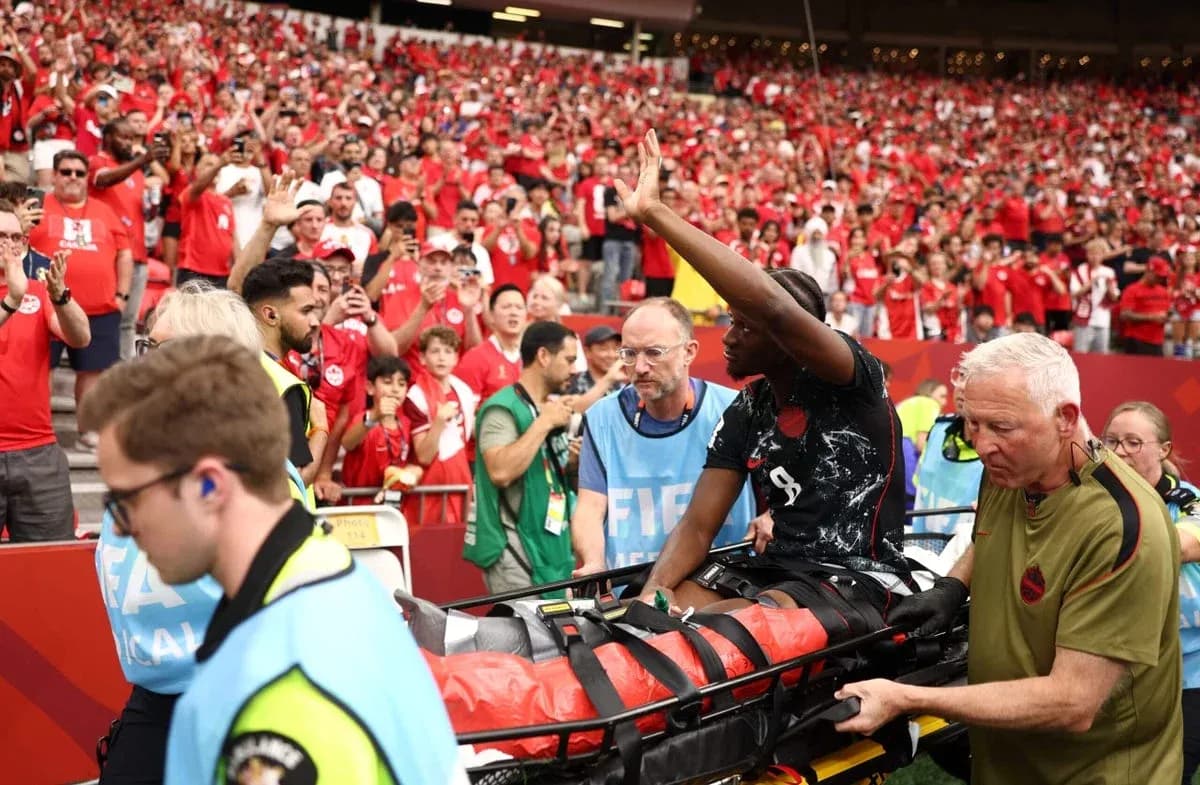
Canada’s 6-0 demolition of Qatar in Vancouver was supposed to be remembered as a statement win, the night a rising team announced itself on home soil at a World Cup. Instead, the image that lingers is Ismaël Koné on the turf by the touchline, clutching his left leg as teammates and opponents recoiled.
On Friday, Canada Soccer confirmed the worst: Koné has undergone successful surgery to repair a lower limb fracture and will miss the rest of the 2026 World Cup.
“He is expected to make a full recovery but will miss the remainder of FIFA World Cup 2026,” read the statement, a single line that cuts straight through the euphoria of a historic result.
A brutal moment in a one-sided game
The incident came in the 51st minute at BC Place, with Canada already 3-0 up and cruising against a Qatar side reduced to 10 men. Koné, 24, had taken the ball near the touchline and was spinning away from pressure, the kind of smooth turn that has become his trademark in Jesse Marsch’s midfield.
Then Assim Madibo arrived late from behind.
Madibo’s challenge caught Koné’s lower left leg, just a few feet from the Canada bench. The sound told its own story.
“You could hear the bone snap,” Marsch said after the match. “Your heart goes out to him. Everybody’s shaken for him.
“I don’t think he (Madibo) meant such a gruesome situation. I don’t fault him for that.”
Koné collapsed, immediately grabbing his leg. Medical staff sprinted onto the pitch. Tempers flared. Richie Laryea confronted Madibo and arguments broke out between the two teams as the severity of the injury became clear.
Madibo was initially shown a yellow card, but after a VAR review the booking was upgraded to a red, leaving Qatar down to nine men after Homam Al-Amin’s first-half dismissal for denying an obvious goalscoring opportunity when he brought down Tajon Buchanan.
The match became a rout. The mood did not.
Surgery, three surgeons and a shaken camp
Koné was taken straight to hospital in Vancouver. By the time Marsch saw him, the midfielder was already being prepared for surgery.
“By the time we got to him, he’d already had some drugs to help sedate him a little bit,” Marsch said at a news conference following Canada Soccer’s announcement. “He was being prepared to go into the operation room. But he was in really good spirits and he was adamant that he’s going to be fine.”
The operation, Marsch explained, was not a rushed, improvised effort. It was meticulous and immediate.
“(The surgery) took about an hour and a half and they had three surgeons. I think what happened is the surgeons watched it on TV and they saw what happened and they knew right away. And so they brought their top three surgeons to the hospital immediately to take care of him.
“So by the time he got there, the surgeons were there and they were ready. And then we just had to communicate with our medical team and make sure that the surgery was the best option that we thought. But I could see by meeting them and hearing what they had to say about the situation that he was in really good hands. So the surgery they said went really well.”
His club side, Sassuolo, echoed that message on Friday.
“The operation to repair the fracture in his left leg was a complete success. The player will begin his rehabilitation programme in the coming days.
The whole club sends Ismaël their best wishes for a speedy recovery.”
For Koné, the World Cup is over. For Canada, the emotional jolt is only just beginning to be processed.
No replacement, no like-for-like
Koné had started both of Canada’s group matches, anchoring Marsch’s midfield with a blend of power, stride and vertical passing that has become central to how this team wants to play.
World Cup regulations now add another layer of frustration. Marsch cannot call up another outfield player to replace him; any injury replacement for an outfield player had to be made 24 hours before Canada’s opening match. The squad is locked. Canada will have to navigate the rest of the tournament one man light.
Marsch didn’t pretend there was an easy fix.
He acknowledged after the Qatar game that there is no like-for-like replacement for Koné, who “can do things that no other player can do.”
The immediate solution lies within the squad. Nathan Saliba, who replaced Koné on Thursday, is the most direct stand-in. The 22-year-old, a close friend of Koné’s, stepped into the chaos and responded in the most emphatic way possible: around 10 minutes after coming on, he scored Canada’s fourth goal.
He didn’t celebrate alone. Saliba lifted Koné’s No 8 shirt above his head, a simple gesture that cut through the noise of the night. The scoreline said dominance; the celebration said this team had just lost one of its heartbeat players.
Marsch and his staff will lean on Saliba’s energy and directness, but they will also tweak the structure. Niko Sigur, often used at full-back for Canada, is expected to slide into central midfield to provide creativity and control in the middle of the park. The shape will bend around the absence of its most dynamic midfielder.
Switzerland next, with a gap in the middle
Canada face Switzerland on Wednesday, a game that suddenly carries a different emotional weight. On paper, the equation is simple: a draw secures top spot in Group B. In reality, Marsch must rewire his midfield without the player who knits so much of it together.
The performance against Qatar showed Canada can overwhelm opponents, even amid shock and concern. The question now is whether they can sustain that level as the stakes rise and the games tighten, without the man who was supposed to grow into this tournament.
Koné is out of the World Cup. Canada are very much still in it. How they cope without their No 8 will help decide just how far.