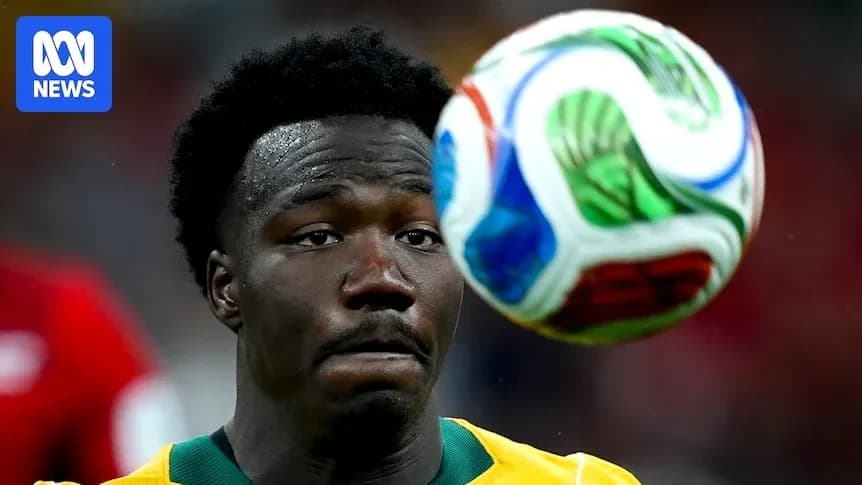
Ismaël Koné's World Cup Dream Ended with a Fracture
Ismaël Koné’s World Cup dream ended not with a roar, but with a crack that silenced an entire stadium.
Canada’s 6-0 demolition of Qatar at BC Place on Thursday was supposed to be a statement win, a marker laid down by a team intent on making noise at a home World Cup. It still was. But the night will be remembered for something far more jarring than the scoreline.
A brutal moment in a statement win
Early in the second half, with Canada already cruising, Koné took a pass and turned, as he so often does, into space. Qatar midfielder Assim Madibo came through him from behind. The tackle was late, heavy and instantly met with fury.
Koné went down and stayed down. Players knew. You always know.
Canada’s bench exploded, staff and substitutes spilling toward the technical area, incredulous that the referee initially produced only a yellow card. On the broadcast, Jesse Marsch and his assistants could be heard demanding an explanation. The decision was later upgraded to a red, but by then the damage was obvious.
Madibo, realizing the severity of what he’d done, put his hands over his head and waved in apology, a hollow gesture in the face of what had just happened.
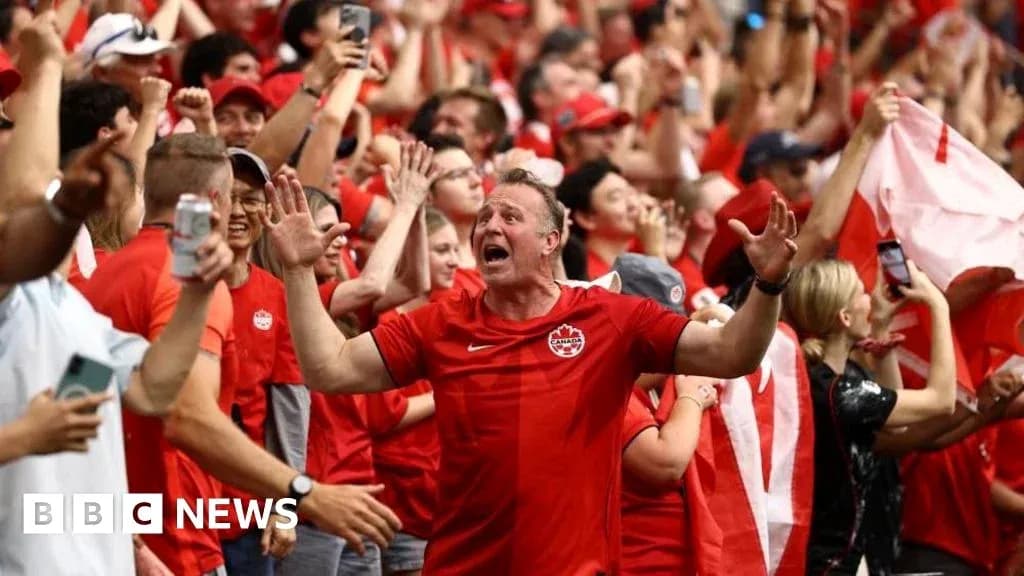
Trainers rushed on, fitted an air cast to Koné’s left leg and called for the stretcher. As he was wheeled away, the 24-year-old midfielder raised an arm to acknowledge the Vancouver crowd, which chanted his name as he disappeared down the tunnel.
The party had stopped. The scoreline suddenly felt irrelevant.
Surgery, a long road back – and a huge loss
Canada Soccer confirmed on Friday that Koné had suffered a “lower limb fracture” and underwent surgery immediately after the match. The federation said he is expected to make a full recovery but will miss the rest of the World Cup.
Reporting from Fabrizio Romano added the grim detail: fractures to both fibula and tibia, a layoff projected at four to five months.
Marsch, speaking after the game, did not sugarcoat the moment. The Canada coach said he could “hear the bone snap” from the touchline and revealed Koné was already at a local hospital preparing for surgery as he addressed the media. When his duties were done, Marsch headed straight to the hospital.
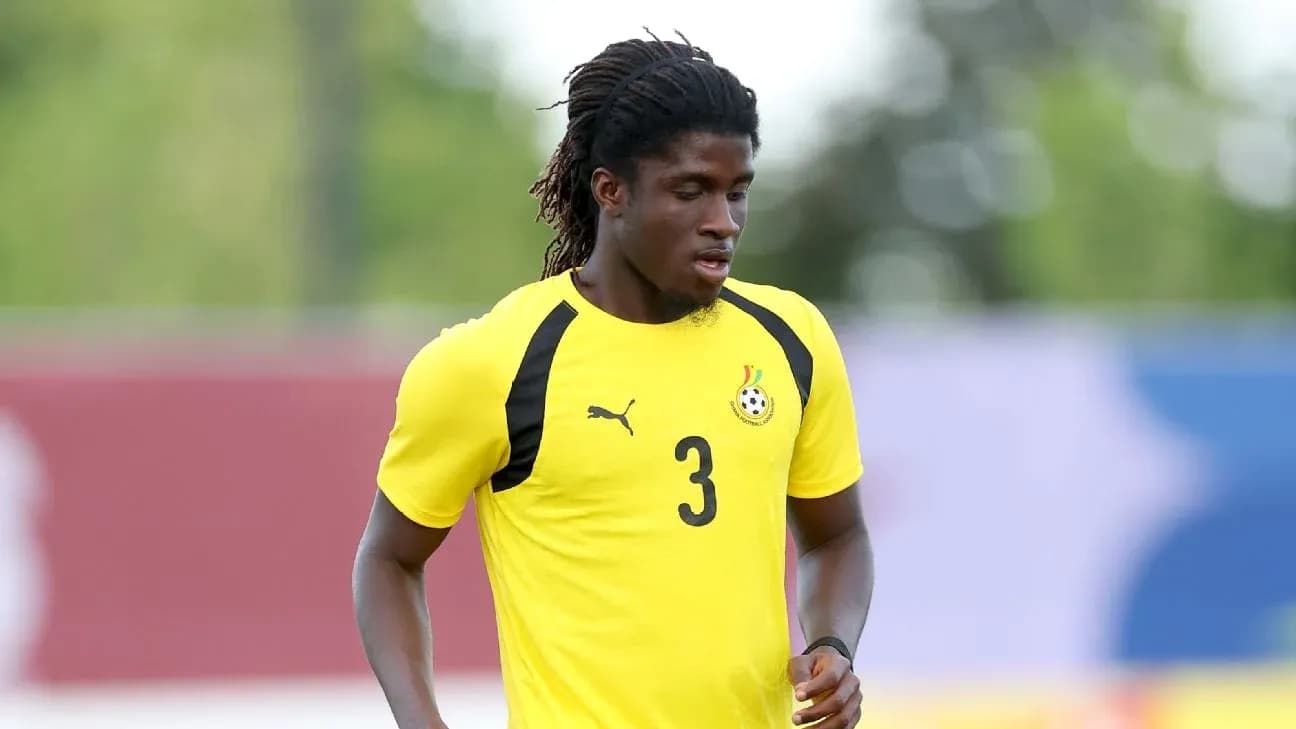
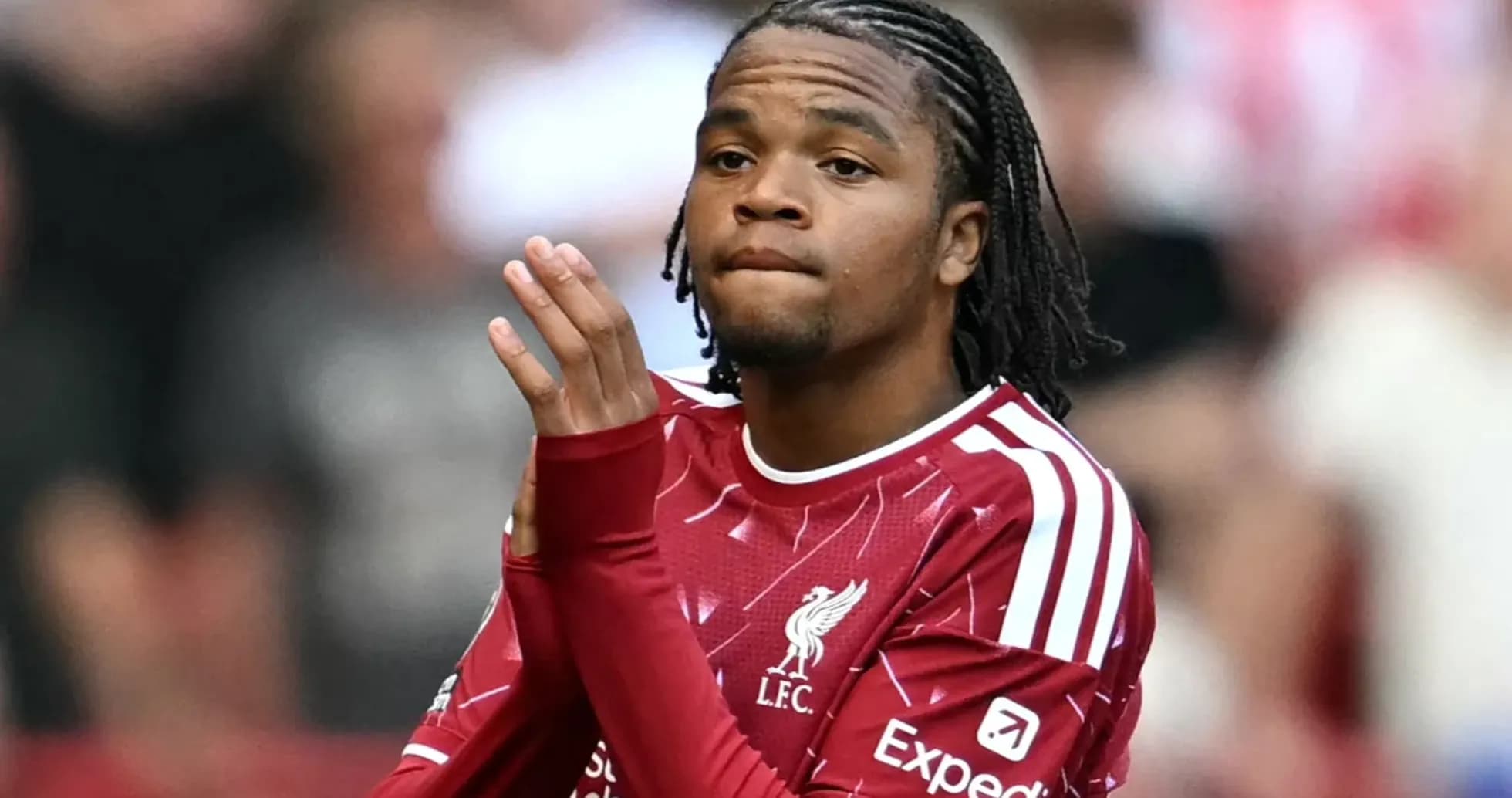
For Canada, it is a footballing and emotional blow. Koné has grown into the heartbeat of this side, a 6-foot-2 midfielder with the glide and daring to break games open. At 24, with 41 caps and four international goals, he has already become central to how Canada wants to play.
“He was our best player against Bosnia,” Marsch said, calling him “a huge loss” and insisting the midfielder “has a huge future.” Koné, he added, is “such a great kid,” imperfect in ways his teammates adore, capable of things “no other player can do” and a reflection of what this team is trying to be.
That future now pauses, but it does not disappear.
A team rallies around its No. 8
Once play resumed, Canada had a choice: let the injury flatten the occasion, or channel the anger.
The response was ruthless.
In the 64th minute, Nathan Saliba slammed home Canada’s fourth goal. He didn’t sprint to the corner flag. He ran straight to the sideline, grabbed Koné’s No. 8 jersey and held it aloft to the crowd. A tribute, and a message: they would carry on with him in mind.
From there, Canada never eased off. The 6-0 scoreline over Qatar will look like a routine group-stage thrashing in the record books. It was anything but routine in the moment. It was a team trying to make sense of a night that had veered from joyous to sickening in a single challenge.
Koné’s rising arc, abruptly halted
Koné’s rise has been rapid. From Montreal to Serie A with Sassuolo, he has built a reputation as one of Canada’s most intriguing talents — tall, elegant on the ball, aggressive without it. At 168 pounds on that 6-foot-2 frame, he covers ground with ease, a midfielder who can both destroy and create.
This World Cup, on home soil, was set up as another step in that climb. He had already impressed in the 1-1 draw with Bosnia and Herzegovina at BMO Field on June 12, earning Marsch’s praise as Canada’s standout performer. Six days later, against Qatar, his tournament ended on a stretcher.
Canada’s group-stage path now moves on without him: Switzerland await on June 24 at BC Place, with the hosts sitting in a strong position after their opening results. The competition will not slow down to accommodate one player’s misfortune.
But within the Canadian camp, the loss lingers. A coach who rushed to the hospital. Teammates who saw the air cast, heard the crowd fall quiet, then chose to respond with goals. A jersey held up on the touchline, the number 8 suddenly carrying more weight than it did at kickoff.
The World Cup is unforgiving. Careers bend on moments like this. How Canada bends with it — and how Koné fights his way back from a broken leg at 24, with a “huge future” still in front of him — will shape more than just the rest of this tournament.