Ireland's Tense Match Against Qatar: Protests and Politics
The tennis balls came first. Then the questions.
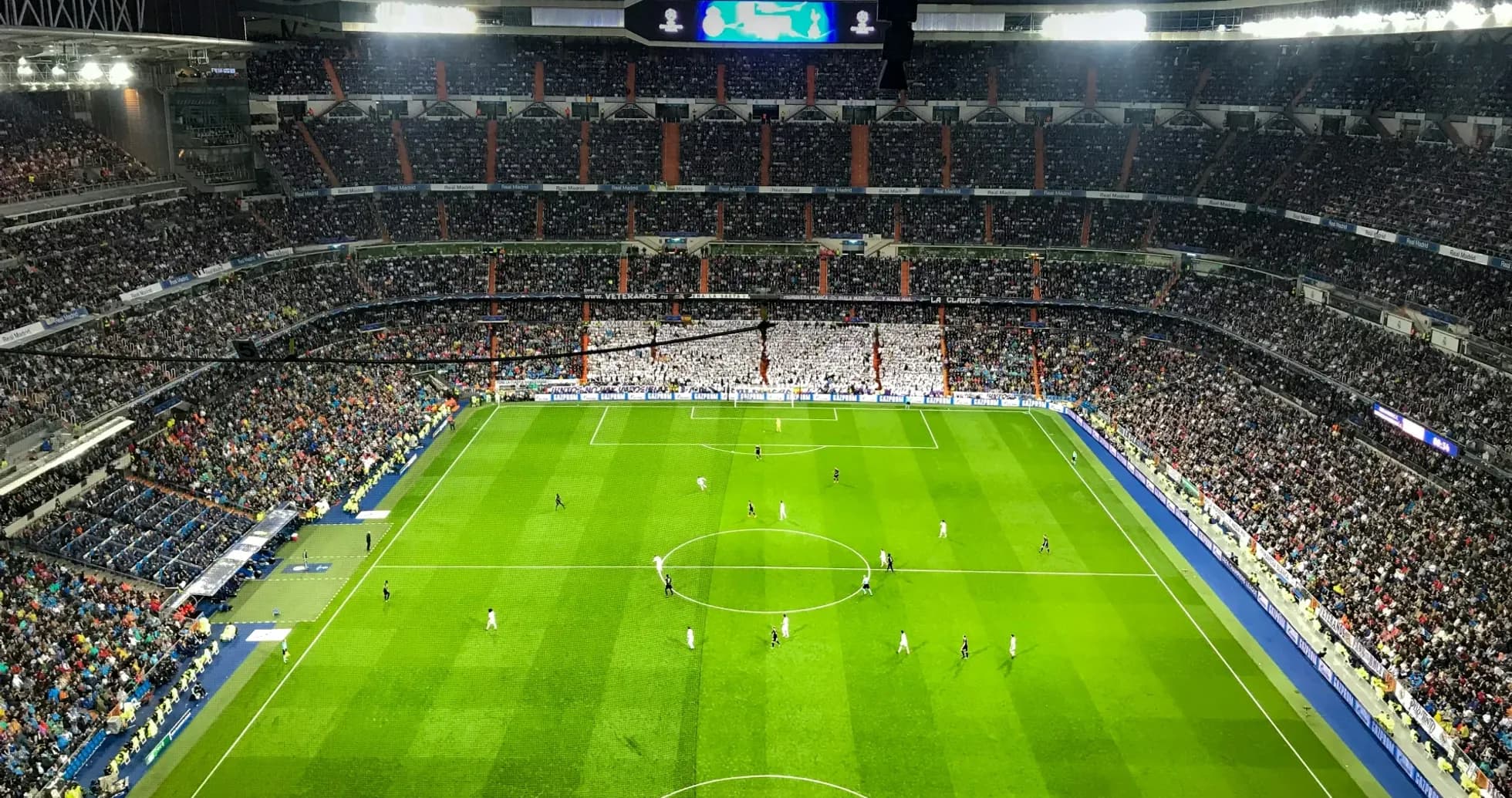
On a cool night in Dublin, Ireland’s 1-0 win over Qatar never really felt like the main event. The football ticked along; the politics crackled around it.
From the stands, protesters repeatedly halted the game in the first half by throwing tennis balls onto the pitch, each stamped with the same blunt message: “stop the game”. The target was not Qatar, but Ireland’s looming Nations League fixture against Israel, and in particular the October 4 match scheduled for the Aviva Stadium. That date now hangs over this team like a storm cloud.
On the grass, Ireland did their job. Qatar, who had arrived with their own World Cup pedigree and the hope of a useful test, slipped to a narrow 1-0 defeat. On the touchline, though, Heimir Hallgrimsson stood in the eye of a very different contest.
The Ireland coach knows his players have been dragged into a row they did not start and cannot resolve. Veteran defender Seamus Coleman had already voiced his unease, arguing that Hallgrimsson and the squad had been left exposed by decisions made higher up the chain. The captain’s words struck a nerve.
Hallgrimsson did not duck the issue.
“Seamus spoke really well about it the other day. We all don’t agree with what’s going on,” he said afterwards. “Ideally it’s not in our hands. It’s not a nice situation to be put into. Like I said, personally, none of us agree with what’s going on.”
It was a rare moment of clarity on a night thick with tension. The message from the stands was uncompromising; the message from the dugout, quietly pointed. The players, Hallgrimsson stressed, are not the architects of this fixture list, yet they are the ones standing in the firing line when the protests rain down.
The game itself slipped by in flashes. Ireland carved out the decisive chance and took it; Qatar chased, probed, and went home empty-handed. The scoreline will be recorded as a simple friendly defeat for the visitors, another data point in their preparations. For Ireland, the 1-0 win barely scratches the surface of what this evening will be remembered for.
Because this was not just about shape, press, and combinations in the final third. It was about what happens when international football collides head-on with geopolitics, and when a fixture becomes a flashpoint long before a ball is kicked.
The questions will only grow louder as October approaches. The players can train, game-plan and talk about systems. They cannot choose the opponents, the venue, or the backdrop.
Yet they will be the ones walking out of the tunnel when the next wave of tennis balls – or something louder – comes.