France Dominates Sweden in World Cup Showdown
Didier Deschamps saw the clock tick into the final five minutes, turned to his bench and reached for the luxury only a manager in complete control can afford. Off came Kylian Mbappé and Michael Olise, the tormentors of Sweden, and as Mbappé jogged towards him, Deschamps grinned, spread his arms and bowed in mock supplication.
It felt less like a substitution, more like a curtain call.
France had already long since finished with Sweden. The 3-0 scoreline flattered the beaten side. This was 3-0 heading for humiliation, a performance that crackled with the kind of attacking electricity that makes World Cups tilt on their axis.
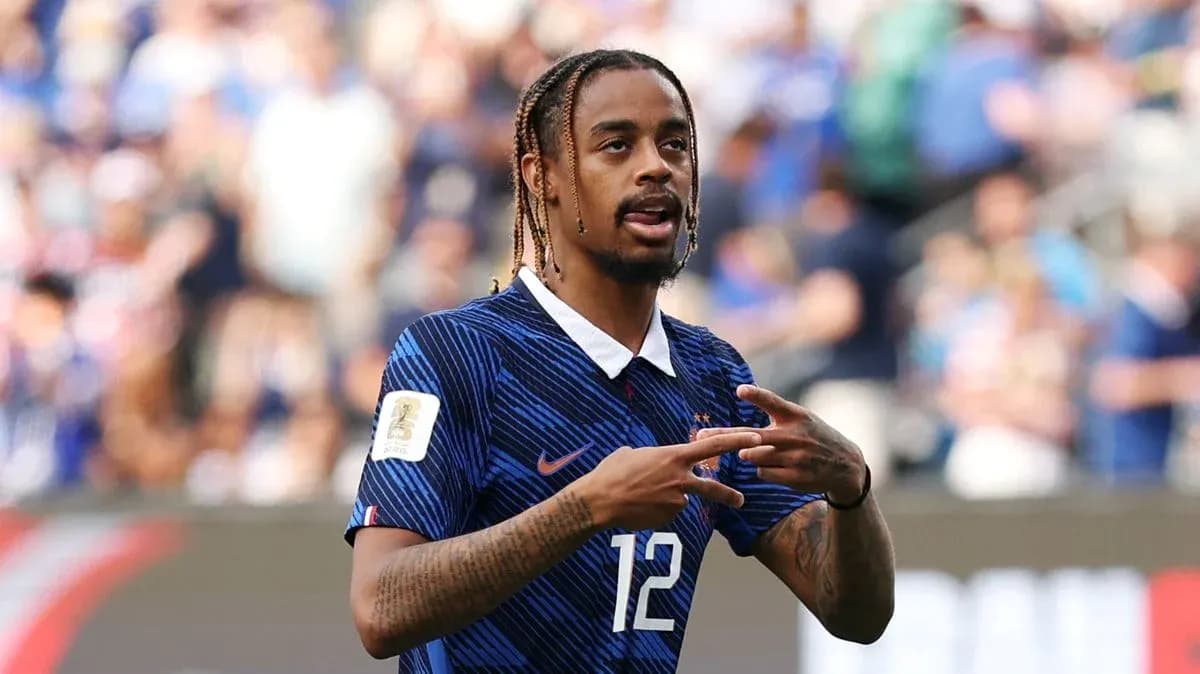
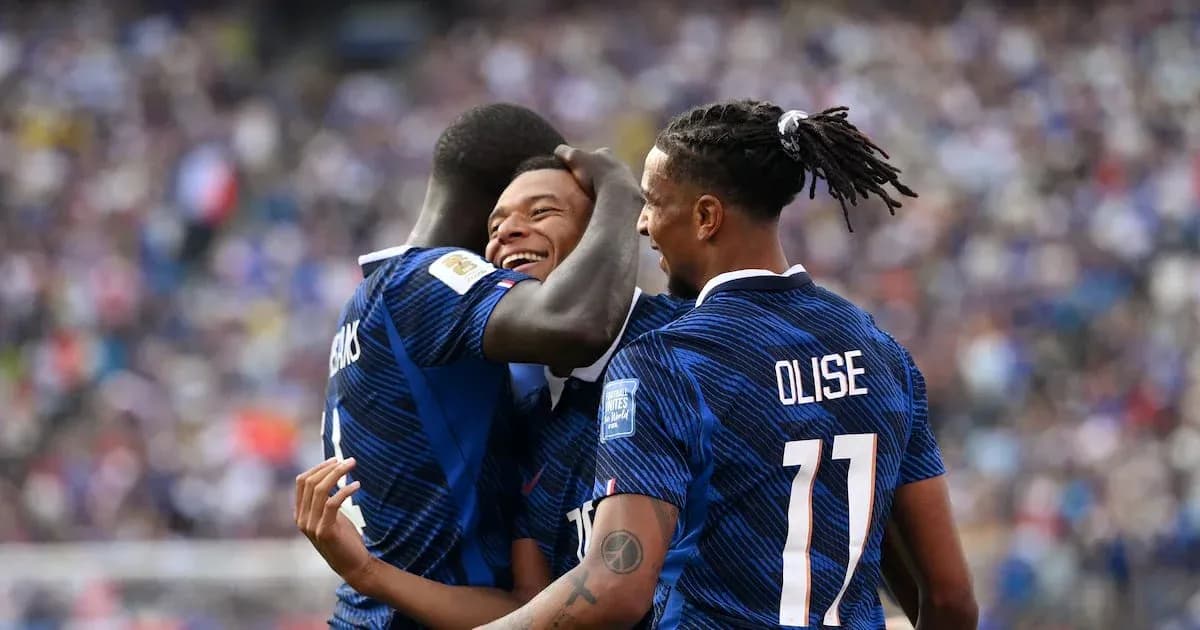
Mbappé scored twice, Barcola added another, and Olise stitched the whole thing together with two assists. France didn’t just move the ball; they carved Sweden open with a whirl of one-touch combinations and ruthless running. At times the French front line looked as if they were playing a different sport, at a different speed.
The woodwork denied both of the game’s artists. Mbappé clattered a post. Olise went closer still, flinging himself into an outrageous overhead kick that shaved past the upright and would have walked straight into the conversation for goal of the tournament. Sweden manager Graham Potter could only admit afterwards that his team would not have won “even if they had been perfect”. On this evidence, perfection might not have been enough.
France have announced themselves. Now comes the bigger question: are they building towards the cold, inevitable dominance of Brazil 1970, or the shimmering, doomed beauty of Brazil 1982?
Deschamps, so often cast as a pragmatist rather than a poet, even allowed himself a rare, public flash of emotion. Mbappé’s first goal sent him racing straight to his manager, the pair embracing at the touchline. Deschamps had flown home only last week to attend his mother’s funeral. For a moment, the tactical mastermind and his superstar forward were simply a grieving son and a player paying tribute.
A World Cup day of omens
If France supplied the swagger, they were not alone in sending a warning shot across the tournament.
Late in Mexico City, the Azteca rumbled into life. Mexico’s tie with Ecuador kicked off an hour late because of the threat of electrical storms, but once the whistle blew it was Ecuador who felt the shock. The stadium’s noise wrapped around them, a wall of sound, and Mexico tore into the contest as if they had been waiting since 1986 for a night like this.
Gilberto Mora, a teenage breakout star, lit the touchpaper. His energy and fearlessness drove Mexico forward, and by the 31st minute the game was effectively over. Julián Quiñones struck on 22 minutes, Raúl Jiménez added a second nine minutes later, and Ecuador never found a way back. Mexico had finally won a World Cup knockout match for the first time since they last hosted the tournament.
England, who will face Mexico at the Azteca if they get past DR Congo later today, should study the tape and listen to the noise. The stadium still bends matches to its will.
Haaland, history and a Viking boat
Earlier, in a different corner of this sprawling World Cup drama, Norway and Ivory Coast traded blows in a tie that swung one way, then the other, before Erling Haaland did what Erling Haaland tends to do.
Antonio Nusa had given Norway the lead in the 39th minute. Ivory Coast hit back through Amad Diallo, whose equaliser was plucked from a rich crop of contenders as goal of the day – a slaloming run and a cool, precise finish that sliced Norway open and briefly shifted the momentum.
But the pressure built again. With four minutes of normal time left, substitute Oscar Bobb found the pass that changed everything, threading a ball into Haaland’s path. The striker needed no second invitation, and his late winner sealed a 2-1 victory and unleashed the now-familiar Norwegian celebration: players in a line, miming a Viking longboat, rowing their way into the last 16.
Waiting there are Brazil. History, though, leans unexpectedly Norway’s way. They remain the only team to have faced Brazil and never lost: two wins, two draws from four meetings. That record now collides with a Brazilian side who do not enjoy being cast as anyone’s lucky charm.
From lost cats to looming giants
On commentary duty, the chaos of knockout football briefly gave way to something stranger. Before Bobb’s decisive contribution, BBC co-commentator Danny Murphy drifted into an anecdote about a cat he once owned called Bob, who leapt into the back of a Royal Mail van and was never seen again. “Sad really. Anyway,” he concluded, just as Bobb began to shape the match.
The Irish Times later reported that Murphy’s family now find Postman Pat too triggering to watch. World Cups have always had room for the surreal alongside the sublime.
Elsewhere, the day’s standout image belonged to Mbappé and Deschamps, locked in that embrace after France’s opener against Sweden. A private grief acknowledged on a global stage, wrapped inside a statement win.
And the trivia that threaded through the day? A question: who has scored more World Cup goals, players called Müller or players called Ronaldo? On a day when old records and new stories collided, it felt like the kind of puzzle this tournament exists to keep alive.
By the time the dust settled, the bracket had shifted again.
Ivory Coast 1 (Diallo 74) Norway 2 (Nusa 39, Haaland 86). France 3 (Mbappé 45, 74, Barcola 53) Sweden 0. Mexico 2 (Quiñones 22, Jiménez 31) Ecuador 0.
Ahead lie England v DR Congo, Belgium v Senegal, USA v Bosnia and Herzegovina. Behind, a day that rattled the favourites, armed the underdogs with belief, and left one nagging thought hanging over the rest of the field.
If this is what France, Mexico and Norway look like in the round of 32, what happens when the stakes climb even higher?