
England Uses Palm-Cooling Technology for World Cup Heat
England’s World Cup preparations are being shaped as much by science as by tactics, with players set to use high‑tech palm‑cooling devices in the searing heat of the United States.
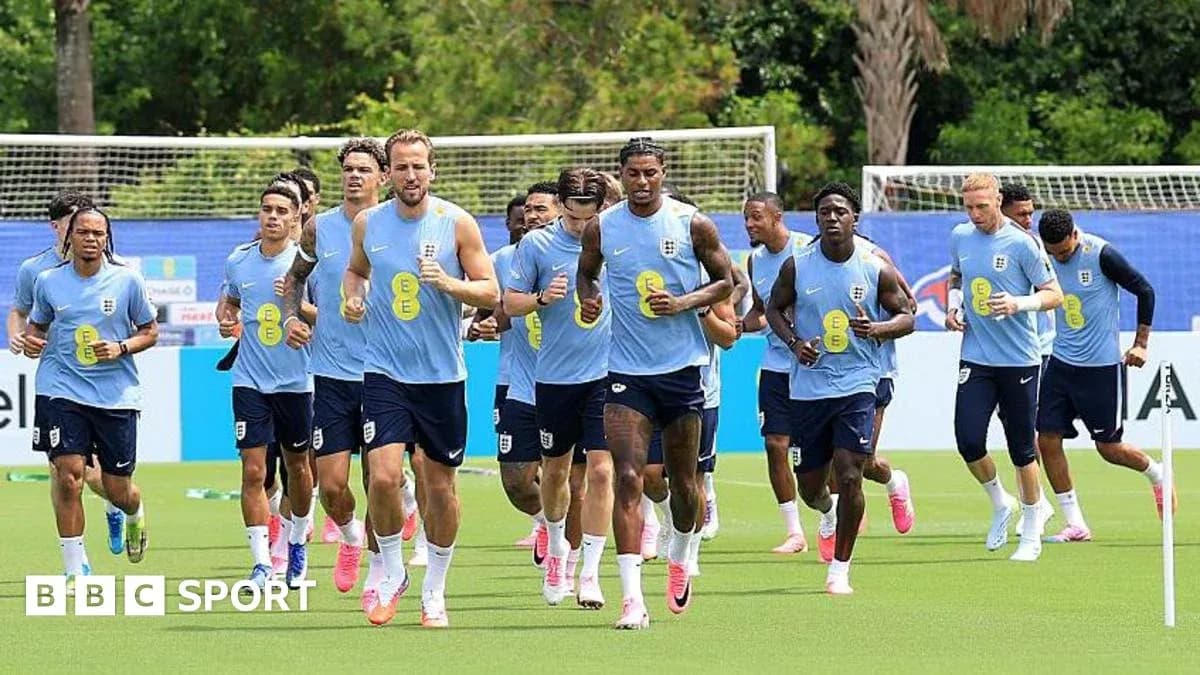
Temperatures touched 32C during the squad’s opening training session in West Palm Beach, Florida, on Tuesday, a harsh early reminder of what awaits this summer. Studies indicate that at least a third of World Cup fixtures will be staged in conditions above 26C. That is not just uncomfortable. It is decisive.
So England are fighting fire with cold.
Palm‑cooling technology, already in use at clubs such as Manchester United, has become one of sport’s more intriguing performance tools. The principle is simple enough: cool the palms, cool the body. Research shows that lowering the temperature in the hands can bring down core body heat, speeding up recovery between intense efforts and helping players sustain high levels of performance for longer.
England intend to lean heavily on that edge. The devices will be used during training sessions in Florida and then again during the planned water breaks at World Cup matches, when players will grasp the cooling units in an effort to drag their body temperatures back under control before the game restarts.
The staff have spent months planning for this. Jordan Henderson, speaking about the challenge of acclimatising, made it clear this opening spell in the US is about conditioning as much as cohesion.
This first week, he said, is being used to “build capacity to the conditions”, with the warm‑up fixtures central to that plan. The Brentford midfielder highlighted the “team behind the team” and their “top level research” on “cool down and recovery”, underlining how deeply England have invested in the science of adaptation.
“Hopefully that can give us a little edge when we get into the tournament,” he added — a line that summed up the mood in camp: every marginal gain, no matter how small or unconventional, is being chased.
The schedule leaves little room to ease in. England face New Zealand on Saturday 6 June (21:00 BST), then Costa Rica on Wednesday 10 June (21:00), two friendlies that double as live experiments in heat management as much as tactical tune‑ups.
Then comes the real thing.
Thomas Tuchel’s side open their World Cup campaign against Croatia on Wednesday 17 June (21:00), before meeting Ghana on 23 June (21:00) and Panama on 27 June (22:00). Three group games, all in the kind of conditions that sap legs, cloud decision‑making and punish any side that has not prepared properly.
England believe they have. The question now is whether cold palms can help deliver cool heads when the World Cup heat is at its fiercest.