France vs Sweden: Deschamps’ Farewell Tour Begins
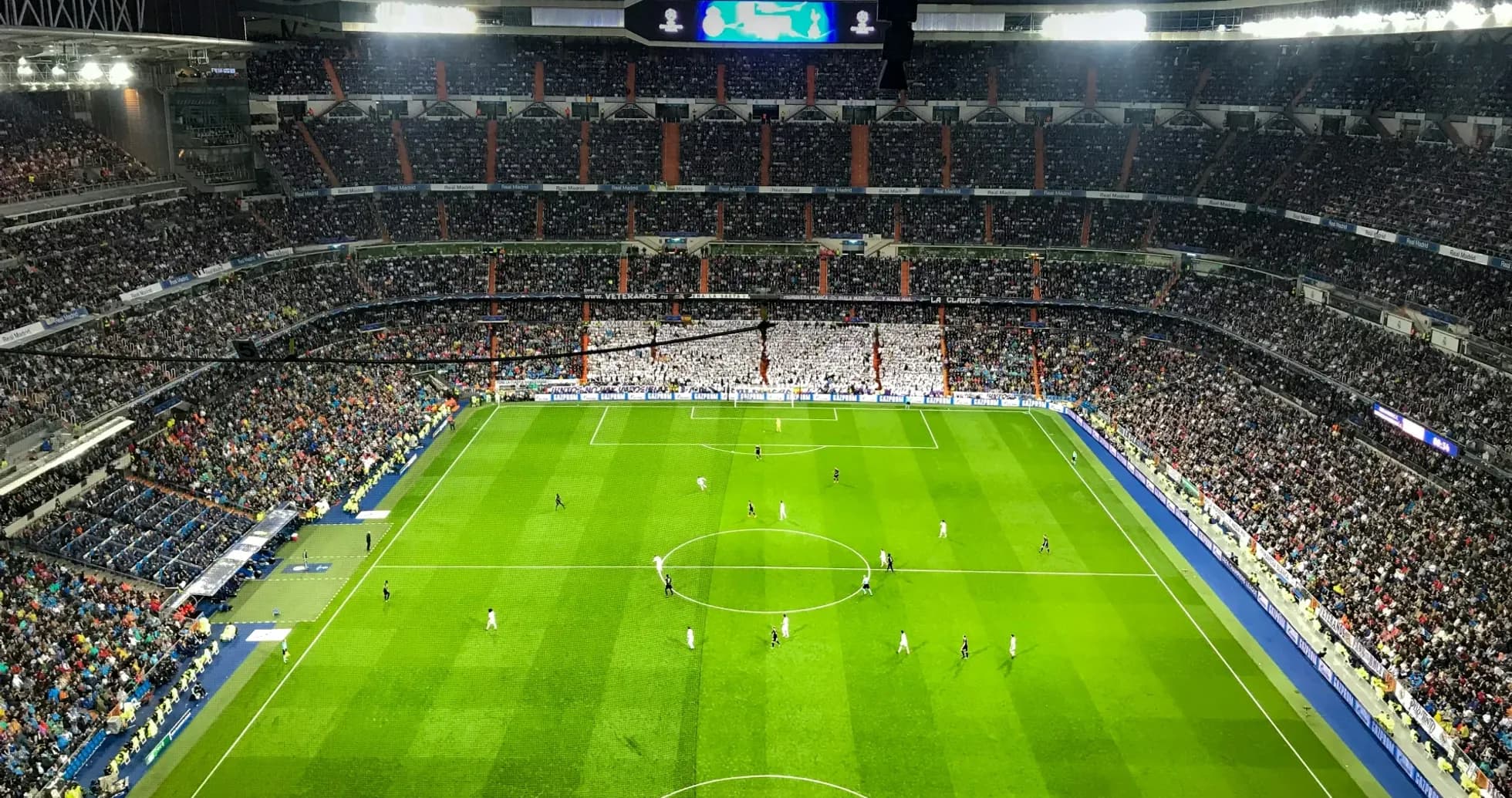
On a warm New York night at the vast New York New Jersey Stadium, a heavyweight steps into the ring against a team still trying to find its balance.
France, perfect and purring through the group stage, start their knockout campaign on 30 June 2026 (21:00 GMT, 17:00 EST) with the weight of expectation and the shadow of an ending. Didier Deschamps has already confirmed he will step down after this tournament. Every game from here is part of his farewell tour.
Across from him stands Graham Potter, guiding a Sweden side that stumbled, recovered, and somehow squeezed into the Round of 32 as one of the best third-placed finishers. The gap in pedigree is obvious. The format makes it irrelevant. Ninety minutes, maybe more, to rip up the script.
France arrive like a machine
Les Bleus did not just win Group I. They cruised through it.
Senegal beaten 3-1. Iraq brushed aside 3-0. Norway dismantled 4-1. Ten scored, two conceded, nine points, no real jeopardy. It was exactly the kind of ruthless group campaign that has become routine under Deschamps at major tournaments.
The final group match underlined the depth of French firepower. Ousmane Dembélé, often cast as the mercurial supporting act to Kylian Mbappé, took centre stage with a hat-trick against Norway. It was a reminder that this side is not built around a single star, however bright Mbappé burns.
Behind them, a structure as familiar as it is formidable. Aurélien Tchouaméni and Adrien Rabiot marshal the midfield, a disciplined double pivot that dictates tempo and plugs gaps. Ahead, Michael Olise and Désiré Doué drift into half-spaces, drawing defenders into uncomfortable zones and freeing Mbappé to isolate full-backs wide.
France look settled, confident, and in rhythm. That is the good news.
The only cloud hangs over William Saliba’s back. The Arsenal centre-back sat out the Norway game to manage a persistent issue but is expected to grit his teeth and return. Deschamps wants his first-choice defence in front of Mike Maignan. At this stage, compromise at the back can be fatal.
Sweden survive, then dare
Sweden’s route could hardly be more different.
They opened their group with a heavy 5-1 defeat to the Netherlands that exposed the gulf to the tournament’s elite. Then came a 5-1 win over Tunisia, a wild swing that said as much about inconsistency as it did about potential.
In the final group match, with everything on the line, they held Japan to a 1-1 draw. It was enough. Four points, seven scored, seven conceded, and a ticket to the knockouts secured by goal difference and nerve.
The numbers tell their own story. Across their last five games, Sweden have scored ten and conceded ten. They can hurt you. They can hurt themselves.
Potter’s side rely on direct, vertical football when the space opens up. Anthony Elanga, fresh from a long-range strike against Japan, offers blistering speed. Alexander Isak and Viktor Gyökeres add power and movement, a front line built to punish any French line that dares creep too high.
The plan is clear: absorb, spring, run. The question is whether their back line can hold long enough to make it matter.
Defences under the microscope
Both coaches know this tie may be decided not by the brilliance of their forwards, but by the resilience of their defenders.
For France, the blueprint is set. Jules Koundé, Dayot Upamecano, Saliba and Lucas Hernández are expected to reform the protective screen in front of Maignan. When France lose the ball, they can look oddly passive, slow to react to second balls and transitions. Against Sweden’s runners, those lapses cannot be repeated.
For Sweden, the concerns run deeper.
Isak Hien’s injury has ripped a hole through the centre of their defence. Potter is expected to pull Victor Lindelöf back from midfield into central defence, a move that stabilises one area while weakening another. Into the midfield engine room steps Lucas Bergvall, Tottenham’s teenage prodigy, asked to bring composure and legs on the biggest stage of his young career.
Behind them, Oliver Zetterström faces the kind of night that can define a goalkeeper. He will need to dominate his penalty area, claim crosses, and make the right decisions when Mbappé, Dembélé and Olise start attacking the space between full-back and centre-back. One hesitation, one misjudged step, and the game can run away.
Sweden’s wing-backs and wide midfielders will be stretched to the limit. Track Dembélé and Olise all the way back, or hold a higher line and risk being pinned? Every choice carries danger.
Styles on a collision course
This match is a clash of structures and instincts.
France want control. Tchouaméni and Rabiot will try to suffocate the middle, recycling possession and allowing Olise and Doué to flood the pockets between Sweden’s lines. Mbappé will look for the one-on-one, the mismatch, the half-yard of space that turns a tight game into a highlight reel.
Sweden want chaos. Quick turnovers, early balls into the channels, Elanga and Gyökeres driving into space with Isak arriving in support. They will not win by out-passing France. They might win by out-running them in the moments when the game breaks loose.
The likely lineups underline the contrast:
- France (probable): Maignan; Koundé, Upamecano, Saliba, Hernández; Tchouaméni, Rabiot, Olise, Dembélé, Doué; Mbappé
- Sweden (probable): Zetterström; Lagerbielke, Lindelöf, Gudmundsson; Bernhardsson, Bergvall, Ayari, Stroud; Elanga, Gyökeres, Isak
On paper, France’s XI looks like a late-stage tournament side already. Sweden’s looks like a puzzle still being solved on the fly.
Form, history and the weight of expectation
Recent results only sharpen the sense of imbalance.
France have won four of their last five matches, losing only a pre-tournament friendly to Ivory Coast. Since then, they have moved through the group stage without serious strain. This is a squad that knows how to navigate World Cups, how to manage pressure, how to close doors when needed.
Sweden’s last five show two defeats, two draws and one win. The 5-1 loss to the Netherlands and the 5-1 win over Tunisia sit side by side, a snapshot of a team still searching for a steady level.
History leans France’s way as well. Their most recent meeting, in November 2020 in the UEFA Nations League A, ended 4-2 to Les Bleus. Sweden did win the reverse fixture that year 1-0 in Stockholm, but across the last five clashes, France hold the stronger record, with three victories to Sweden’s one.
They have crossed paths in World Cup qualifying too, each side winning at home in 2016 and 2017. Familiar foes, but not equals.
Deschamps’ legacy, Sweden’s gamble
Deschamps enters this knockout phase with almost a complete squad. No reported injuries or suspensions, just the usual late decisions on fine details and form. He knows this terrain better than almost anyone in international football. Another deep run would be a fitting final act.
Potter’s position is different. He arrives with a key defender missing, a reshuffled back line and no margin for error. Hien’s absence forces him into a calculated risk, trusting Lindelöf to anchor the defence and Bergvall to grow up quickly in midfield.
France finished top of Group I. Sweden scraped out of Group F in third.
The stage is set: a giant with a clear path and a coach on his last World Cup charge, against an underdog still wobbling between extremes.
If France impose their rhythm, this could feel like another step in a familiar march towards the latter stages.
If Sweden drag the game into transition and chaos, if Elanga and Isak find the space they crave, if Zetterström stands tall under a barrage of blue shirts, then Deschamps’ farewell may start to look far less predictable.