Charleston Battery Dominates FC Tulsa 5–1 at Home
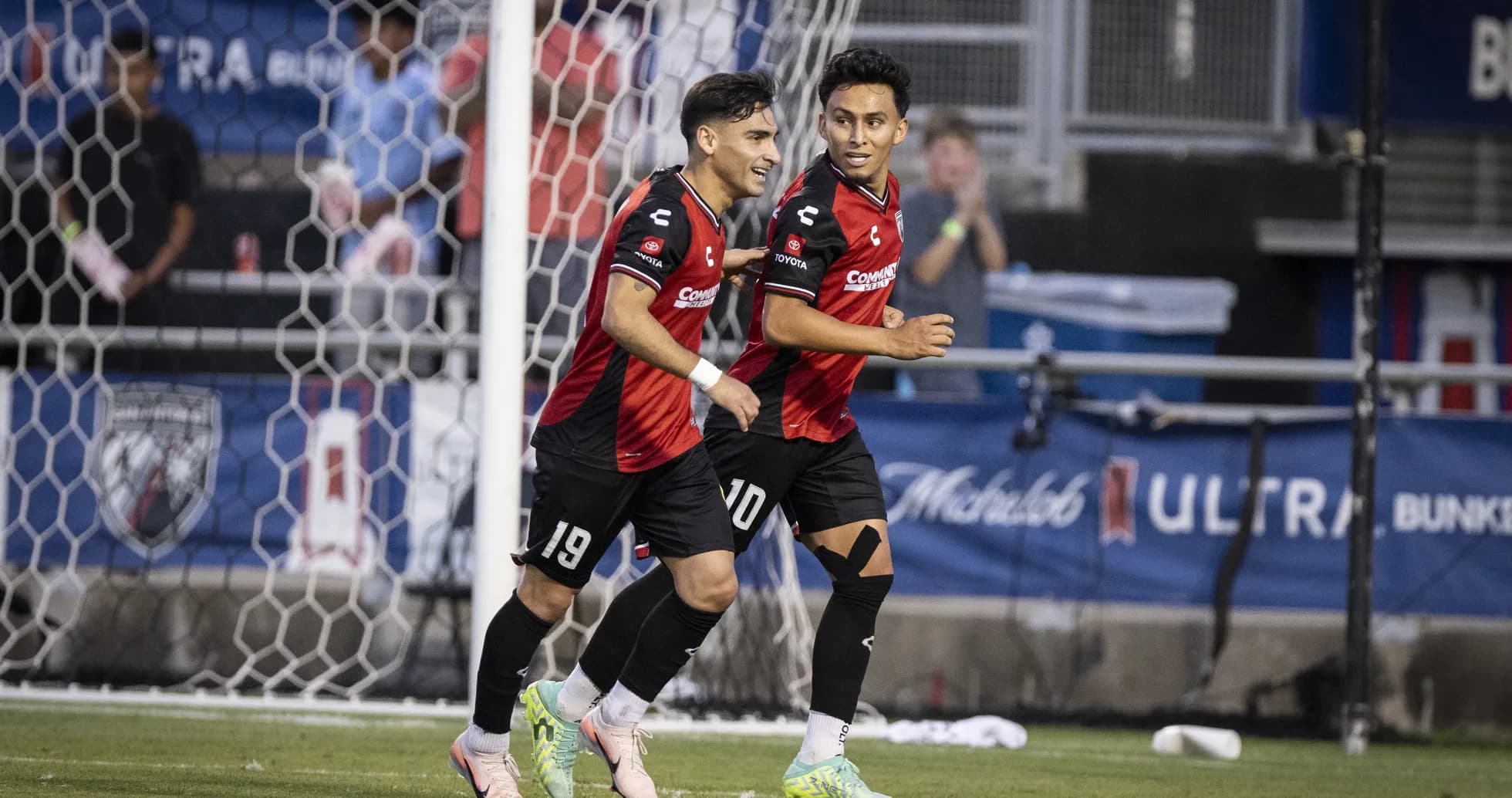
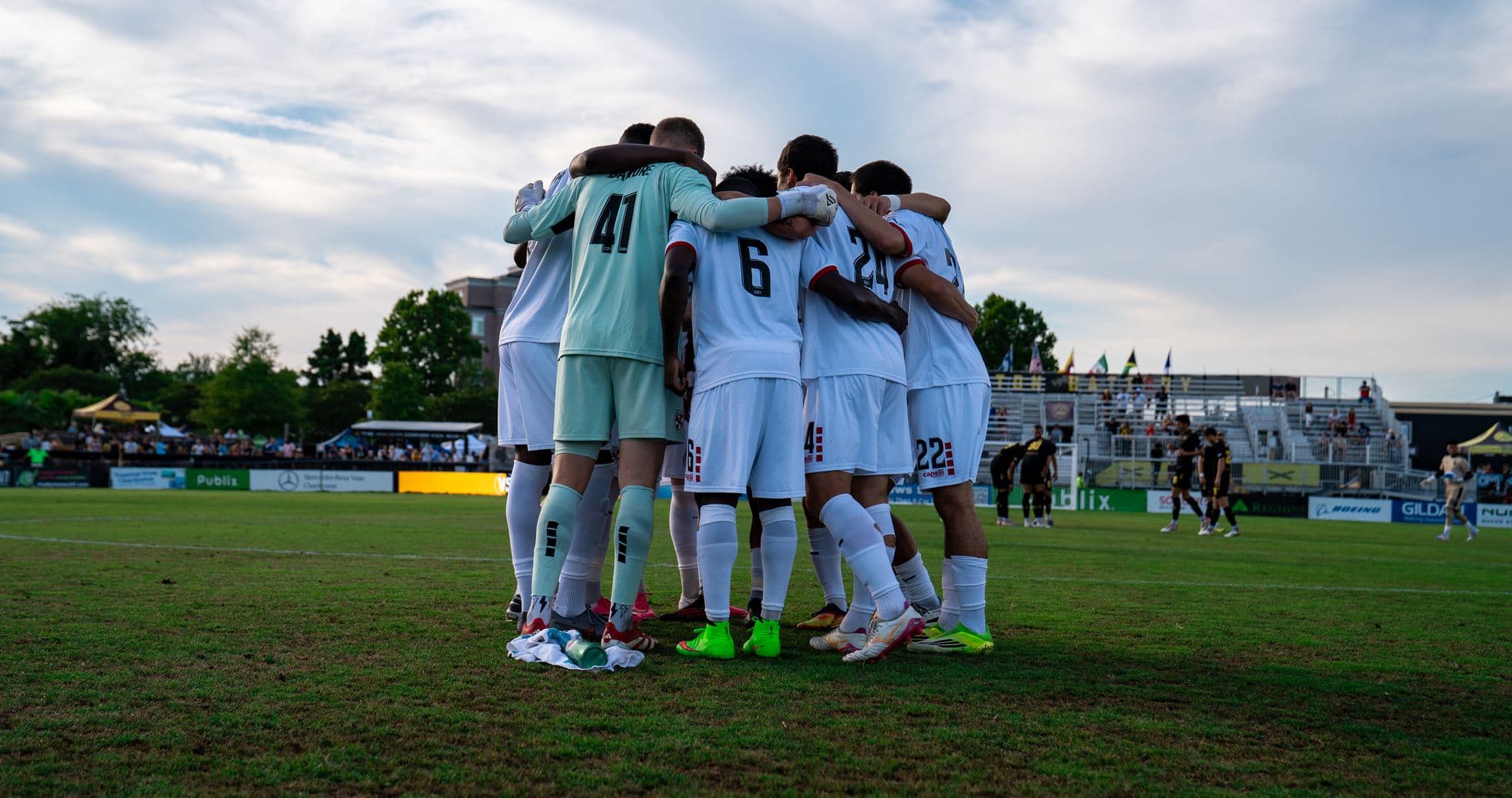
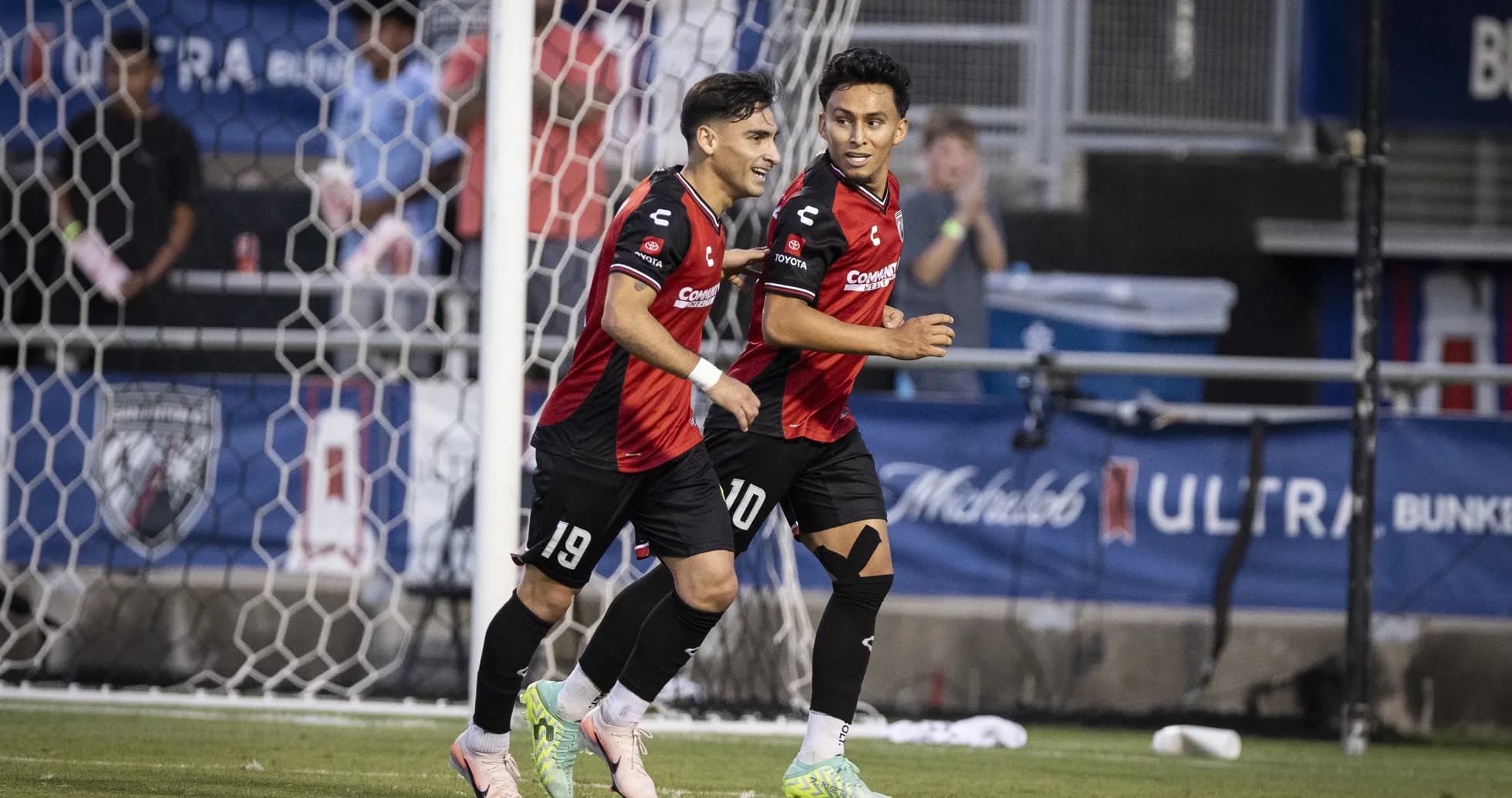
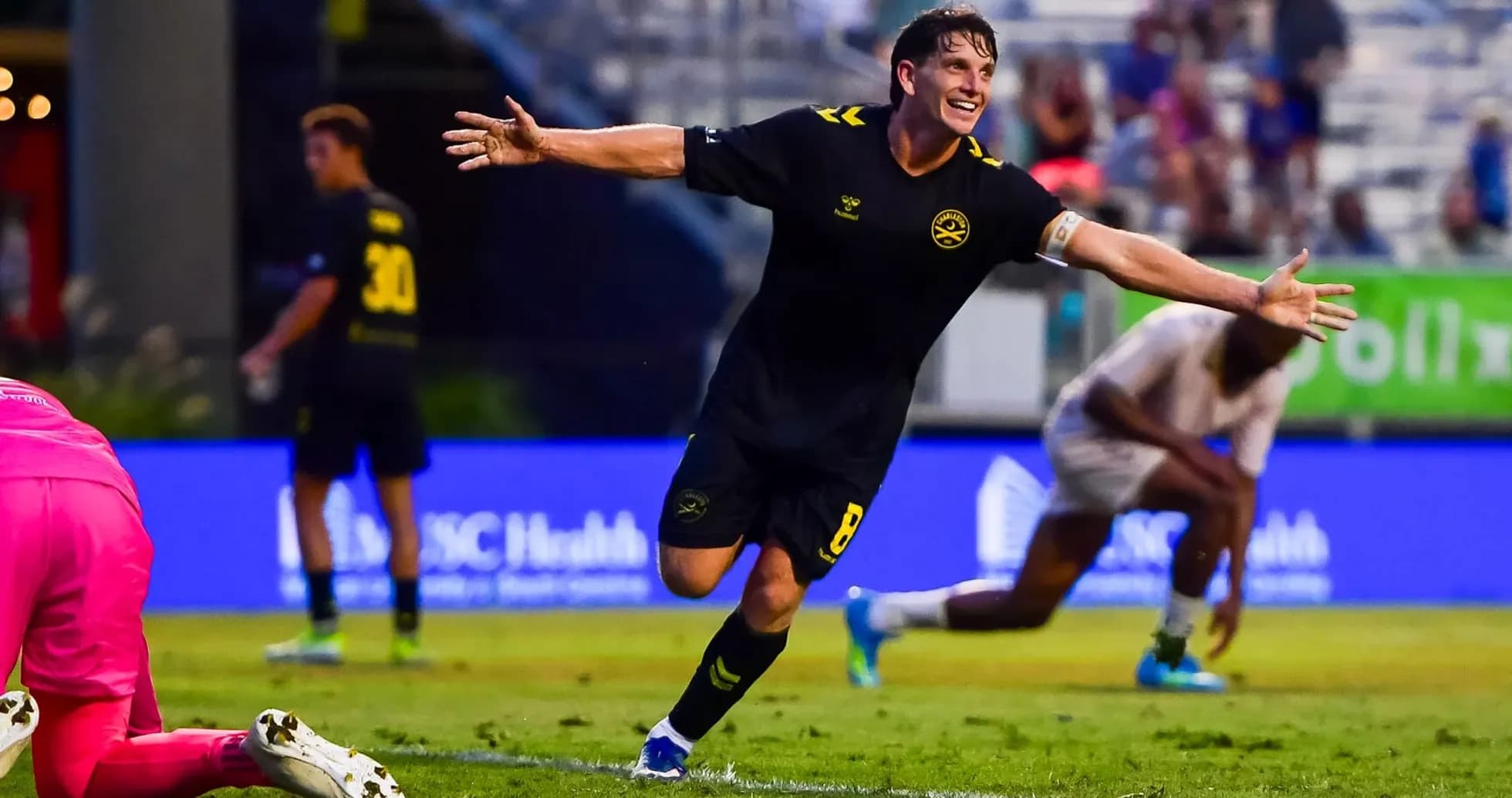
Under the lights at Patriots Point Soccer Complex, Charleston Battery turned a promotion-tilted group-stage clash into a statement, dismantling FC Tulsa 5–1 and reminding the USL Championship why their home ground has become one of the league’s most unforgiving venues.
I. The Big Picture – Home fortress vs. road ambition
Following this result, the contrast between Charleston’s home dominance and Tulsa’s road volatility feels even sharper. Heading into this game, Charleston had played 12 matches overall, winning 6, drawing 2 and losing 4, with a total goal difference of +5 (21 goals for, 16 against). At home they had been ruthless: 6 played, 5 wins, 1 draw, 0 defeats, scoring 17 and conceding just 5. That home average of 2.8 goals for and 0.8 against already painted Patriots Point as a stronghold; a 5–1 win simply adds another layer of intimidation.
Tulsa arrived with a different profile: compact, streaky, and dangerous on their travels. Overall they had 4 wins, 4 draws and 3 defeats from 11 matches, with a total goal difference of 0 (14 for, 14 against). Away, they were balanced but fragile: 2 wins, 2 draws, 2 losses, 8 scored and 10 conceded, averaging 1.3 goals for and 1.7 against. That away “give-and-take” style met a home side that simply doesn’t compromise at Patriots Point, and the 3–1 half-time scoreline set the tone for a night where Charleston’s attacking DNA overwhelmed Tulsa’s attempts to stay in the game.
II. Tactical Voids and Discipline – Edges in the margins
There were no listed absentees for either side, so both coaches had their core groups available. That meant Ben Pirmann could lean fully into Charleston’s front-foot identity, while Luke Spencer had the flexibility to adjust between a compact mid-block and the more expansive transitions that had underpinned Tulsa’s best away performances, including their biggest away win of 4–1.
Charleston’s season-long disciplinary pattern hinted at a team that lives on the edge of intensity without tipping into chaos. Their yellow cards are spread but spike in the 31–45 and 76–90 minute ranges, each at 23.08% of their total bookings. That late-game surge in cautions reflects a side that keeps the tempo high deep into matches, even when managing leads. Crucially, they had no red cards in any time range, suggesting controlled aggression rather than recklessness.
Tulsa’s card profile is more turbulent. Their yellows peak between 61–75 minutes at 25.81%, followed by 19.35% in both the 16–30 and 76–90 ranges. That mid-to-late period is when their structure most often frays, and against a Charleston side that already had the game in their grip by half-time, those tendencies would only make chasing the match more hazardous. Both teams, though, have stayed away from red cards this season, which matches the picture of a high-intensity but largely disciplined encounter.
III. Key Matchups – Hunters and shields across the pitch
Without explicit goals and assists by player, the “Hunter vs Shield” battle in this match was more about units than individuals. For Charleston, the attacking trident of M. Berry, J. Kelly and C. Swan, supported by the creative lines of E. Ycaza and the work rate of M. Foster, formed a fluid, interchangeable front that mirrored the team’s season-long attacking strength at home. With 17 home goals heading into this game, this group embodied a side that doesn’t just score; it overwhelms.
Their “Shield” was anchored by L. Zamudio in goal and a defensive line including D. Martinez, G. Smith, J. Akpunonu and N. Messer. At home, Charleston had conceded only 5 goals before this fixture, a testament to a back line that rarely allows clean looks and a keeper comfortable behind an aggressive press. The fact that they shipped just one more here, while scoring five, reinforces the balance between their attacking ambition and defensive solidity.
For Tulsa, the spine of A. Tambakis in goal, with L. Batista and A. Clarke in front of him, has had to live with that away average of 1.7 goals conceded. Their best away days—like the 1–4 win highlighted in their biggest results—come when that back line survives the early storm and allows the midfield to dictate. J. Kocevski and G. Colli represent that “Engine Room,” charged with both screening the defense and springing transitions toward the likes of R. Cabral and B. Sparks.
But against Charleston’s home momentum, Tulsa’s shield cracked early. The 3–1 half-time score hints at a Battery side that found space between Tulsa’s lines, forcing A. Tambakis into damage-limitation mode rather than controlled build-up. Once Charleston were in front, the contest became a test of Tulsa’s capacity to chase without collapsing—one they ultimately failed as the score stretched to 5–1.
IV. Statistical Prognosis – xG story and playoff implications
We do not have explicit xG numbers, but the season trends allow a reasonable projection of the underlying story. Charleston’s home average of 2.8 goals for, combined with Tulsa’s away concession rate of 1.7, already suggested that high-quality chances would tilt toward the hosts. Add Charleston’s unbeaten home record (5 wins, 1 draw before this fixture) to Tulsa’s perfectly balanced away record (2 wins, 2 draws, 2 losses), and the pre-match probabilities leaned toward a Charleston win with a multi-goal margin.
Defensively, both sides entered with an overall goals-against average of 1.3 per match, but the split mattered: Charleston were far tighter at home (0.8 conceded) than Tulsa were away (1.7 conceded). In a playoff-race context—Charleston 4th on 20 points, Tulsa 7th on 16—this result feels like a reassertion of hierarchy. Charleston’s promotion bid, already backed by a clean sheet count of 3 overall and a perfect record of not failing to score at home, now rests on a foundation of both firepower and control.
Following this result, the tactical lesson is clear: at Patriots Point, you don’t just need a plan to score against Charleston Battery—you need a plan to survive them. Tulsa arrived with ambition and credible away numbers; they left with a reminder that in this league, some fortresses demand perfection just to stay close.