Celtic Support Divided Over Robbie Keane Amid Backlash
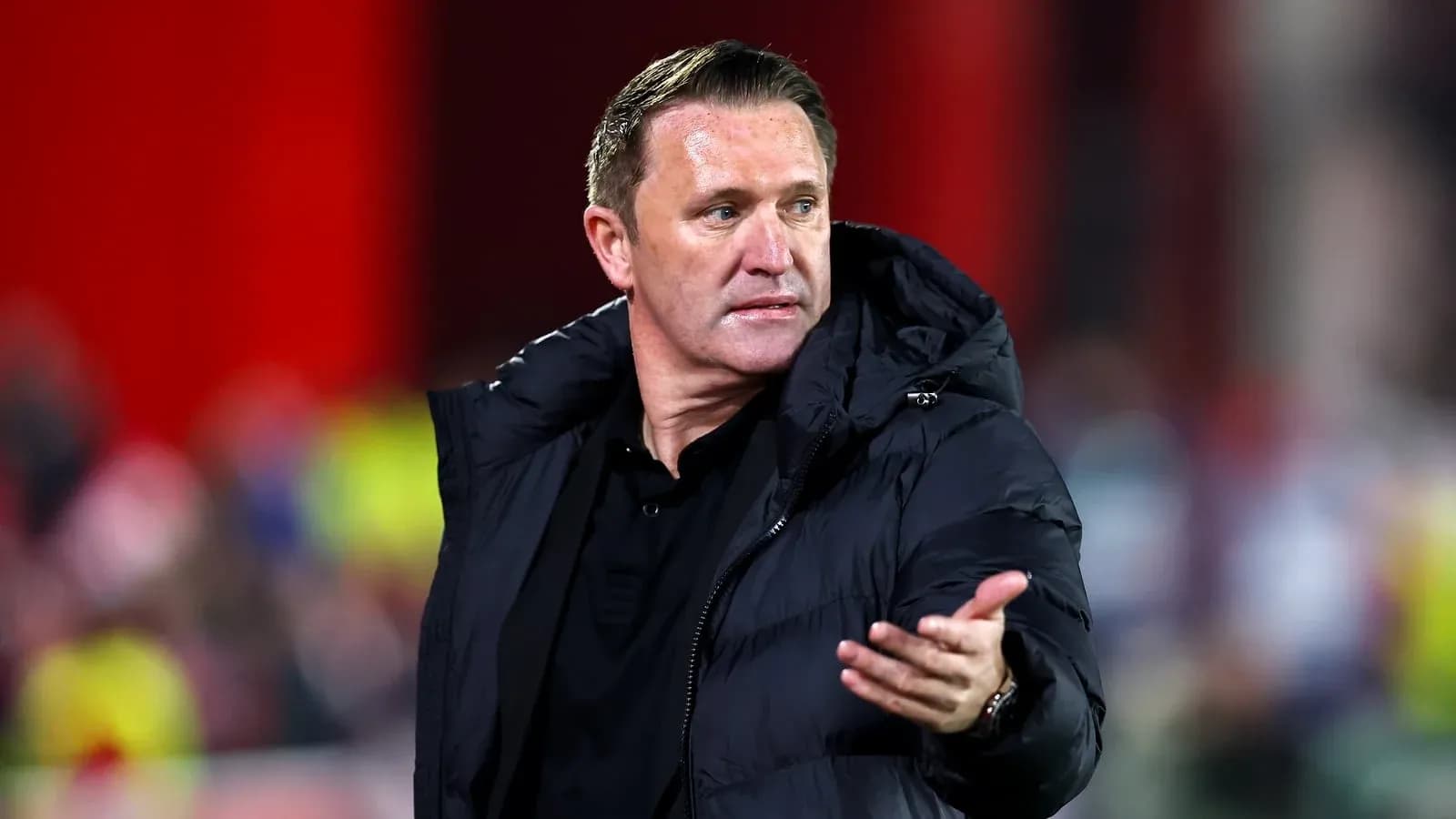
The idea was simple enough on paper: bring back a former hero, a record-breaking goalscorer with a touch of stardust, and hand him the keys to Celtic Park. Instead, the prospect of Robbie Keane returning to Glasgow as manager has opened one of the most charged and emotive debates the club has faced in years.
What might once have been a feelgood appointment has become a lightning rod.
Keane, one of the leading contenders to succeed in the Celtic dugout and reportedly in ongoing talks with principal shareholder Dermot Desmond, is now at the centre of a storm created not by tactics or trophies, but by politics, principle and the club’s sense of itself.
From loan hero to lightning rod
In footballing terms, Keane’s credentials are obvious. The Republic of Ireland’s record goalscorer enjoyed a prolific loan spell at Celtic in 2010, thrilling supporters with his finishing and flair. As a manager, he has already collected silverware, winning league titles in both Israel and Hungary.
Yet it is that Israeli chapter which has turned a significant section of the Celtic support against him.
Keane took charge of Maccabi Tel Aviv in June 2023, months before the Hamas-led attacks of 7 October and the subsequent Israeli bombardment of Gaza. As the conflict escalated and images from Gaza dominated news bulletins, his decision to remain in post drew sharp criticism in Ireland and, increasingly, in Glasgow.
The pressure has now spilled onto the streets around Celtic Park. Graffiti and banners denouncing the possibility of Keane’s appointment have appeared outside the stadium in recent days, a visible sign that opposition is no longer confined to online debate.
“Impossible to ignore”
A statement first circulated by a group calling itself Celtic Fans for the Liberation of Palestine has become the rallying point. On Thursday, the North Curve Celtic account on X published a list of 67 supporters’ groups that have now endorsed that statement.
The breadth of names is striking. The Green Brigade and Bhoys Celtic ultras are there, as expected, but so too are long-standing organisations such as Glasgow University Celtic Supporters Club (CSC) and Craigneuk Tommy Gemmell CSC. Several well-known fan media outlets, including the Cynic and eTims podcasts, have also signed up.
Their message is blunt.
The statement frames Celtic’s identity as inseparable from solidarity with the Palestinian people, arguing that Keane’s decision to manage Maccabi Tel Aviv “during the genocide in Gaza is impossible to ignore”. It highlights the proximity of Tel Aviv to Gaza and condemns the choice to work in Israel “while, less than 40 miles away, the same country was using indiscriminate weapons of mass murder against defenceless people”.
It goes deeper than one managerial candidate. It reaches back to the club’s origins.
“Celtic was founded by a community shaped by the legacy of genocide, displacement and famine,” the statement reads. “Our club’s roots lie in solidarity with those who suffered injustice and oppression. We cannot forget where we came from, nor turn our backs on those facing genocide today.”
That language reflects a support that has long woven political identity into its footballing culture. For many, Palestine is not an abstract cause but part of the club’s modern story.
Unity at risk
The timing is delicate. Celtic, the statement argues, “requires unity and collective purpose” as it moves into a pivotal period. Instead, those behind the campaign believe Keane’s appointment would “be deeply divisive among the support” and, on a purely football level, “a predictable and uninspiring choice at a moment when greater ambition is needed”.
The plea is direct: “We urge the Celtic board to listen to supporters’ concerns and reconsider this appointment.”
The board now faces a decision that reaches far beyond the technical area. Appoint Keane and risk a rupture with a vocal, organised section of the fanbase. Step back and the club will have effectively allowed geopolitical fault lines to dictate its managerial choice. Either way, Celtic’s next move will be read as a statement of values as much as strategy.
Keane’s stance and the Gaza backdrop
Keane’s spell in Israel did not end in failure. Quite the opposite. The 45-year-old guided Maccabi Tel Aviv to a league and cup double before resigning in the summer of 2024. On the pitch, it was a triumphant season.
Off it, the situation was far more fraught.
Last October, an independent UN commission concluded that Israel had committed genocide against Palestinians in Gaza, with the bombardment contributing to the deaths of more than 70,000 people. Against that backdrop, every decision around Israeli football became a moral question for many observers.
Keane has previously explained why he stayed in his role through the season. He pointed to a sense of responsibility to the staff who had followed him to Israel, highlighting one analyst who had left Middlesbrough after 12 years to join his backroom team.
“I have a duty of care,” Keane said, describing how he chose to see out the campaign rather than walk away mid-season and leave colleagues and their families in limbo. He also revealed he had given up a lucrative deal by resigning, turning his back on a contract that could have run for another year, possibly two.
Those explanations may resonate in some quarters. Among the groups now mobilising against his potential appointment at Celtic, they have not softened the stance.
A club wrestling with its conscience
This is not a routine managerial search. It has become a test of how Celtic balances its history, its politics and its pursuit of success.
The club has long embraced its roots: founded to help alleviate poverty among Irish immigrants in Glasgow, shaped by themes of displacement and survival. Many fans see that heritage as a living obligation, not a museum piece. Their banners, statements and organised campaigns around Palestine have made Celtic Park one of the most politically charged arenas in European football.
Now those same currents are crashing into the boardroom door.
Keane, once the romantic choice, now arrives with baggage that has nothing to do with his finishing or his trophy record. The board must decide whether to push ahead and bet that results will eventually drown out dissent, or whether this is one storm that cannot be ridden out.
For a club that prides itself on knowing where it came from, the question is stark: who, and what, will define where Celtic goes next?