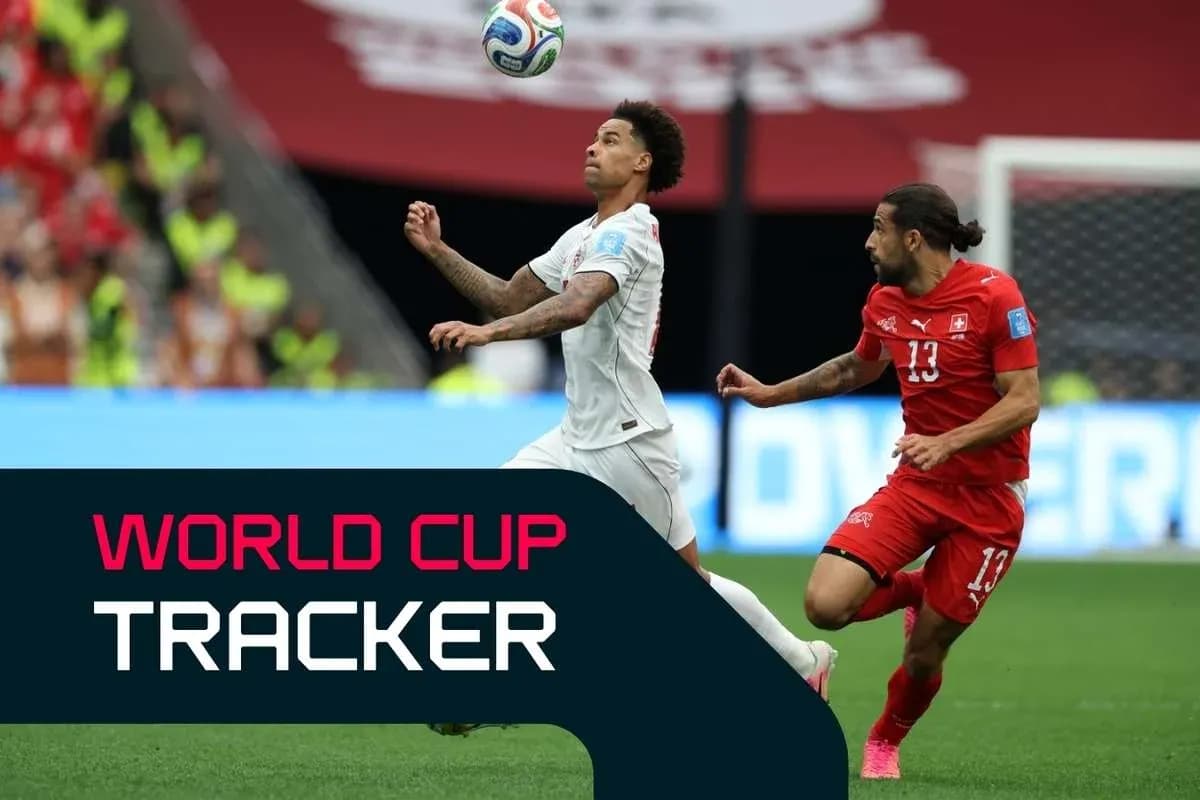
Bosnia & Herzegovina Edges Qatar in Seattle Thriller
The final night in Group B opened with a split-screen of tension. In Vancouver, Switzerland and Canada circled each other in a controlled, almost courteous 0-0. In Seattle, Bosnia & Herzegovina and Qatar tore into a match that felt like a knockout tie from the first whistle.
Two games, one clear truth: only one of them truly crackled with jeopardy.
Seattle: Win or Go Home
From the moment the teams walked out at Seattle Stadium, this felt like Bosnia’s night. Blue and white flags filled the stands, turning a North American venue into something that looked and sounded far closer to Sarajevo. Thousands had marched in earlier; by kick-off, it was obvious who had turned this into a home fixture.
The equation was brutal. Bosnia & Herzegovina: one point from two games. Qatar: the same. A draw? Useless to both.
That urgency seeped into the opening exchanges. Bosnia flew out of the blocks, pinning Qatar back and testing Mahmoud Abunada twice to his right inside the first few minutes. Qatar, set up deep with Akram Afif leading the line, looked ready to soak up pressure and break, but they could barely escape their own half.
The tension was visible in the details. Ivan Sunjic, busy but edgy, under-hit a backpass that almost invited disaster, forcing goalkeeper Nikola Vasilj into a desperate clearance. Both benches were on edge long before the first hydration break.
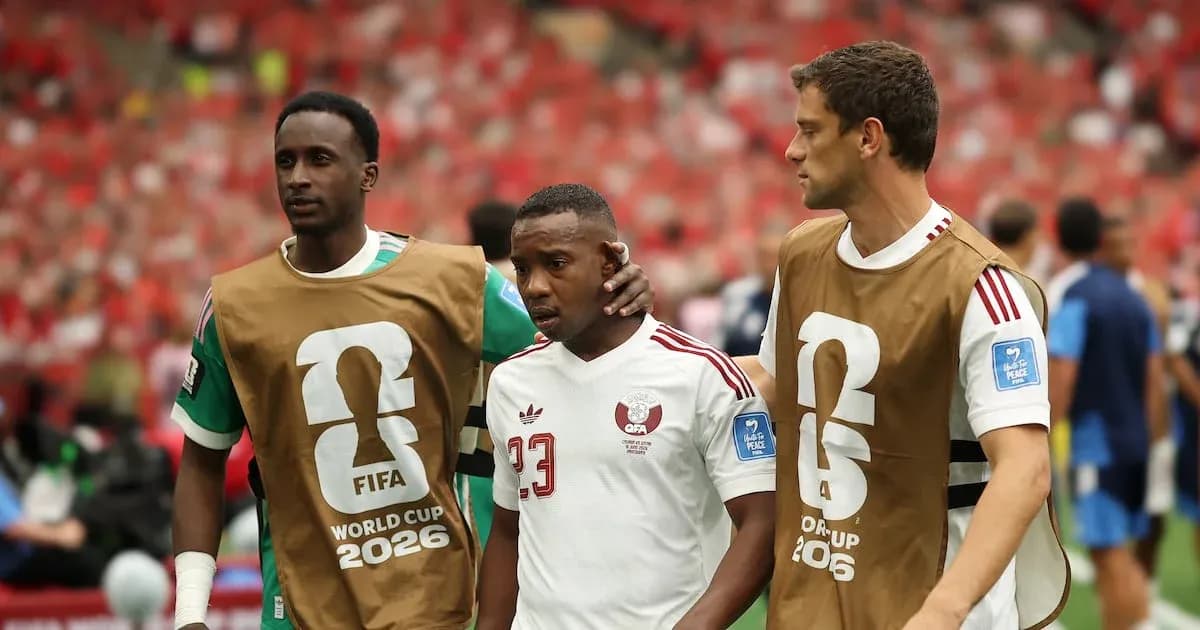
When it arrived, it did so in painful fashion for Qatar. A Bosnia free-kick smacked Boualem Khoukhi square in the face, the defender crumpling as the referee signalled the pause. It felt like a perfect snapshot of the half: Bosnia in control, Qatar taking hits, both coaches gesturing wildly, demanding more in what one observer dubbed the “second quarter” of this must-win contest.
The breakthrough had been coming. On 30 minutes, it arrived with a flourish.
Kerim Alajbegovic picked up the ball on the edge of the box, slalomed into space and, on his right foot, whipped a stunning strike into the top corner. It was the first genuine moment of class in the game, a goal that matched Bosnia’s dominance and underlined the gulf in confidence between the sides.
Qatar had no response. Not a single shot. Not even a sustained spell of possession. They looked pinned, passive, and increasingly brittle.
The pressure told again just four minutes later.
Bosnia doubled their lead in chaotic, cruel fashion for Qatar. Edin Dzeko volleyed towards goal, and Sultan Al Brake, drafted into a makeshift backline after Qatar’s disciplinary chaos in their 6-0 defeat to Canada, could only divert the ball into his own net. Unfortunate, yes. But also entirely in keeping with a World Cup campaign that had unravelled far too quickly.
For the Bosnian fans, it was bedlam. Two goals up, almost certain to be in the driving seat for a third-place spot and a potential route to the round of 32. They bounced, sang, and demanded more. Goal difference, after all, could still prove decisive.
Julen Lopetegui, on the Qatar touchline, cut a lonely figure. His side had still not registered a shot. They looked vulnerable every time Bosnia broke, yet rarely threatened to launch a counter of their own. He gestured, shuffled players, tried to stem the tide. Nothing stuck.
Then, just as Bosnia looked ready to cruise to the break, the game flipped.
Qatar Finally Strike Back
Out of nowhere, Qatar found a lifeline.
First shot. First goal. Simple.
Captain Hasan Al Haydos slipped in and finished to cut the deficit to 2-1, turning what had threatened to be a procession into a contest. The move was straightforward, almost jarringly so after Qatar’s laboured first half. One incisive attack, one composed touch, and suddenly the narrative shifted.
The timing was brutal for Bosnia. Moments earlier, Dzeko had gone clean through and clipped the inside of the post, inches away from a third that would have buried Qatar. Instead, Lopetegui’s men reached half-time with something to cling to, the scoreline not reflecting the balance of play but offering them a route back.
What had been a one-sided siege now felt like a thriller in the making. The question hung over the second half: would Bosnia’s missed chances and Qatar’s late surge before the interval come back to haunt someone?
Vancouver: Controlled, But Not Quiet
While Seattle boiled, Vancouver simmered.
Switzerland, fresh from a 4-1 win over Bosnia & Herzegovina and well-placed to top the group, rotated heavily. Murat Yakin made five changes and shifted from a 4-3-1-2 to a 4-2-3-1, a tweak that suggested control and flexibility rather than desperation.
Canada, co-hosts and buoyant after their 6-0 demolition of Qatar, also adjusted in midfield. Jesse Marsch, dealing with the loss of Ismael Kone to a tournament-ending injury, brought in Mathieu Choiniere and Nathan Saliba for Kone and Stephen Eustaquio. The spine changed, but the intent did not.
Within 10 minutes, Switzerland should have been ahead. Breel Embolo found himself one-on-one with the goalkeeper and failed to convert, a glaring miss in a game where clear chances were at a premium.
From there, the pattern settled. Switzerland dominated the ball, probing and recycling, while Canada threatened sporadically on the break. Neither side needed to risk everything; both were effectively through. The stakes were more about seeding and top spot than survival.
The contrast with Seattle was stark. Where Bosnia and Qatar played with nerves jangling and seasons on the line, Vancouver felt like a high-level chess match. Measured. Patient. Waiting for a mistake that never quite came.
Group B on a Knife Edge
By late evening, the story of Group B had crystallised.
Switzerland, powered by that earlier 4-1 dismantling of Bosnia and a long-awaited resolution to issues that had haunted their national team for years, looked ready to stride into the knockout rounds as group leaders.
Canada, revitalised under Marsch and still riding the wave from their destruction of Qatar, had one eye on the next phase rather than mere survival. Their tweaks in midfield were about balance, not panic.
The real drama lay with Bosnia & Herzegovina and Qatar, locked in a game where one mistake could end a World Cup dream. Bosnia’s early dominance, their stunning opener from Alajbegovic, the own goal from Al Brake, the late first-half twist from Al Haydos – it all fed into a night that felt like a playoff, not a group fixture.
Both had started the day knowing a draw would not be enough. Both played like it. Only one could emerge with hope intact.
Scotland, Brazil and What Comes Next
Once Group B’s dust settles, the spotlight moves to Group C. Scotland step into their own high-wire act, needing at least a point – or a shock win – against Brazil to feel truly safe in the race for the knockouts. Lose, and they may still squeeze through as one of the best third-placed sides. Draw, and they are almost there. Win, and they could even leapfrog Brazil into second, assuming Morocco do their job against Haiti.
For Carlo Ancelotti and Brazil, the equation is harsher at the top. Only a win is likely to deliver first place. All eyes turn to Neymar and his fitness, a subplot that could define how far this Brazil side can go.
By the time Scotland kick off, Bosnia & Herzegovina will know whether their night in Seattle has given them a lifeline or left them stranded. Canada and Switzerland will know their paths. Qatar will know whether this World Cup ends as a cautionary tale.
The margins are thin. The stakes are not. And as the final round of group games rolls on, one question lingers over the whole tournament: which of these nations will look back on nights like this as the moment everything started, and who will remember them as the point it all slipped away?