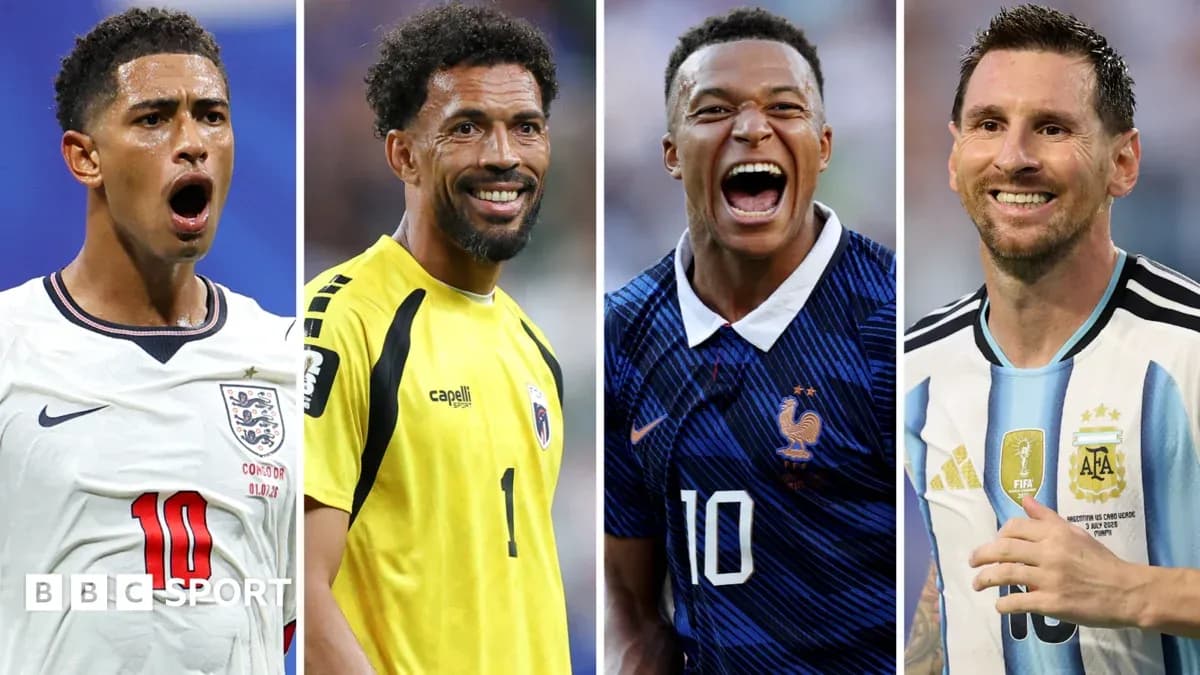
Argentina’s Silver Medal Debate: A Controversial Holiday
Argentina flew home with silver medals and a storm of questions. Not about tactics, or substitutions, or Ferran Torres’ extra-time winner for Spain in New York. About a holiday.
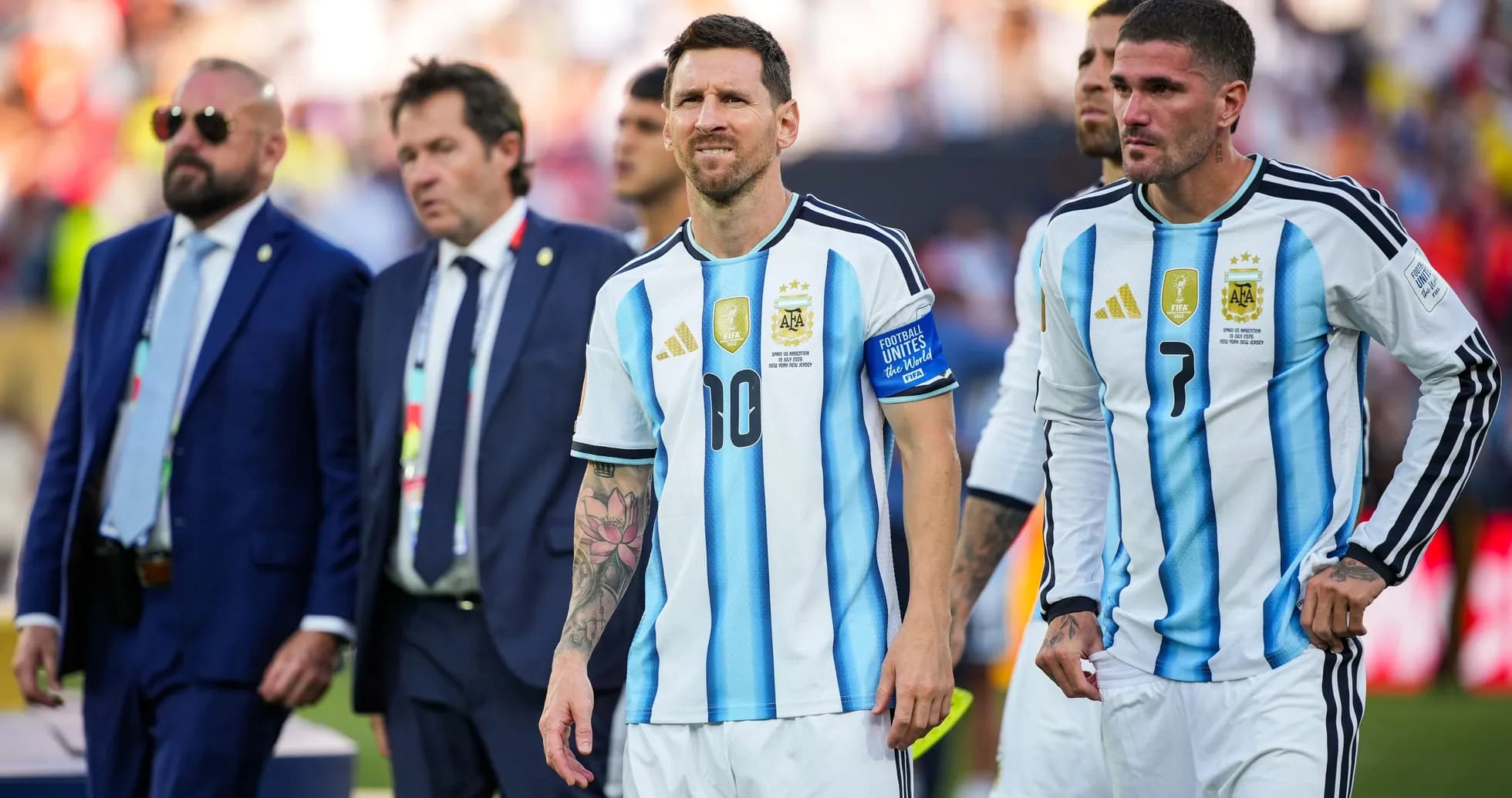
The government has taken the extraordinary step of allowing Lionel Scaloni’s squad to choose a national holiday to commemorate their tournament run, despite a 1-0 defeat in the final and a performance that failed to produce a single shot on target. For a country that measures itself in stars above the crest, it cut against the grain.
The reaction was instant. And fierce.
Milei’s Call, Nation’s Debate
President Javier Milei, who pointedly skipped the final for superstitious reasons, announced the move on X. His message was clear: the players and staff would decide the day, and the government would rubber-stamp it as a national holiday.
“Given the concern about the celebrations for the achievement reached by the Argentine National Team, I inform the population that, depending on what the Players and the Technical Staff decide regarding the day to celebrate, it will be declared a national holiday,” he wrote.
In a country used to parades for world champions, not nearly men, that line landed like a loose ball in a crowded box.
Phones lit up. Radio shows filled. Was this a misprint? A technical error? Many citizens simply could not square a state-sanctioned celebration with a second-place finish, particularly after such a blunt attacking display in the final.
For some, the idea bordered on sacrilege. Runners-up do not stop a nation.
Messi Defended, Legacy Protected
Milei doubled down, but this time his words turned toward the dressing room. In another post, he moved to protect Lionel Messi and the veterans who dragged Argentina back to another showpiece.
“Thank you so much, players. [We fought] until the end with our boots on. Argentina always at the top,” he wrote, capturing the sentiment of those who see this campaign as the closing chapter of a golden era rather than a failure.
Plenty of supporters agree with the gratitude, if not the holiday. Many argue the players themselves would rather slip quietly back to their clubs than climb onto an open-top bus to mark a defeat. After a long season and a draining tournament, the idea of a parade for second place feels out of step with the dressing room’s own standards.
The dissonance is stark: a political gesture of celebration, and a football culture built on the demand to win everything.
After the Farewell, the Rebuild
Behind the noise, a harder reality waits for Scaloni and his staff. The clock has finally started on Argentina’s rebuild.
This was widely expected to be Messi’s sixth and final World Cup. At 39, the Inter Miami forward has not yet formally announced his international retirement, but the assumption around the camp is that this was his last tilt at the trophy.
He is not alone. The veteran core that carried Argentina through triumph and heartbreak is nearing its natural end. The coaching staff now face the urgent task of blooding a new generation, replacing icons without losing the edge that has kept the Albiceleste at football’s summit.
The debate over a holiday will fade. The questions that remain are sharper: who leads Argentina into the next cycle, and how do you follow an era defined by Messi, medals, and the relentless expectation that second place is never enough?