Amad Diallo: From Bench Snub to Key Player for Ivory Coast
Amad Diallo has spent the summer reminding everyone where he really belongs on a football pitch.
Fresh from a difficult club season, the 23-year-old has walked into an Ivory Coast side loaded with attacking talent and still managed to make himself the story. Two goals in two games, both struck from central areas, both finished with the calm of a player who has never doubted his own ceiling. If Manchester United were watching closely – and they will have been – they will have seen more than just a winger in form. They will have seen a solution.
From bench snub to match-winner
Amad’s World Cup warm-up winner against France should have been a statement. Beat one of the favourites, score the decisive goal, make yourself undroppable when the real tournament starts. That is how it usually works.
Instead, when Ivory Coast lined up against Ecuador on Sunday, he was on the bench.
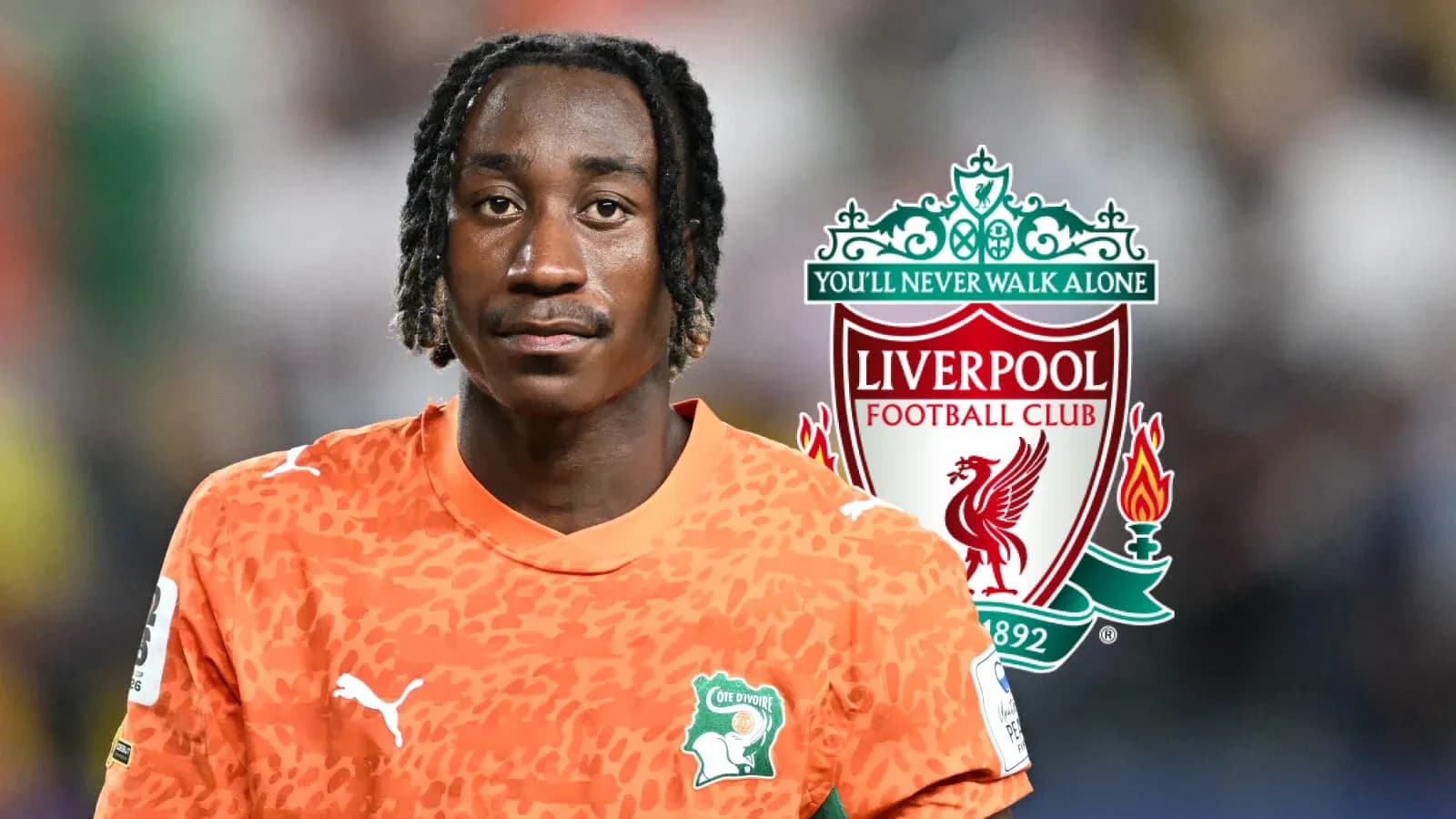
Emerse Fae rolled with youth and variety. Yan Diomande, 19 and already on Liverpool’s radar as he prepares to leave RB Leipzig, took the right flank. Bazoumana Toure, just 20, started on the left. Nicolas Pepe, the veteran at 31, operated as the No. 10. Amad, the man in form, watched it all from the sidelines.
It said everything about the depth Fae has at his disposal. It also set the stage for Amad’s response.
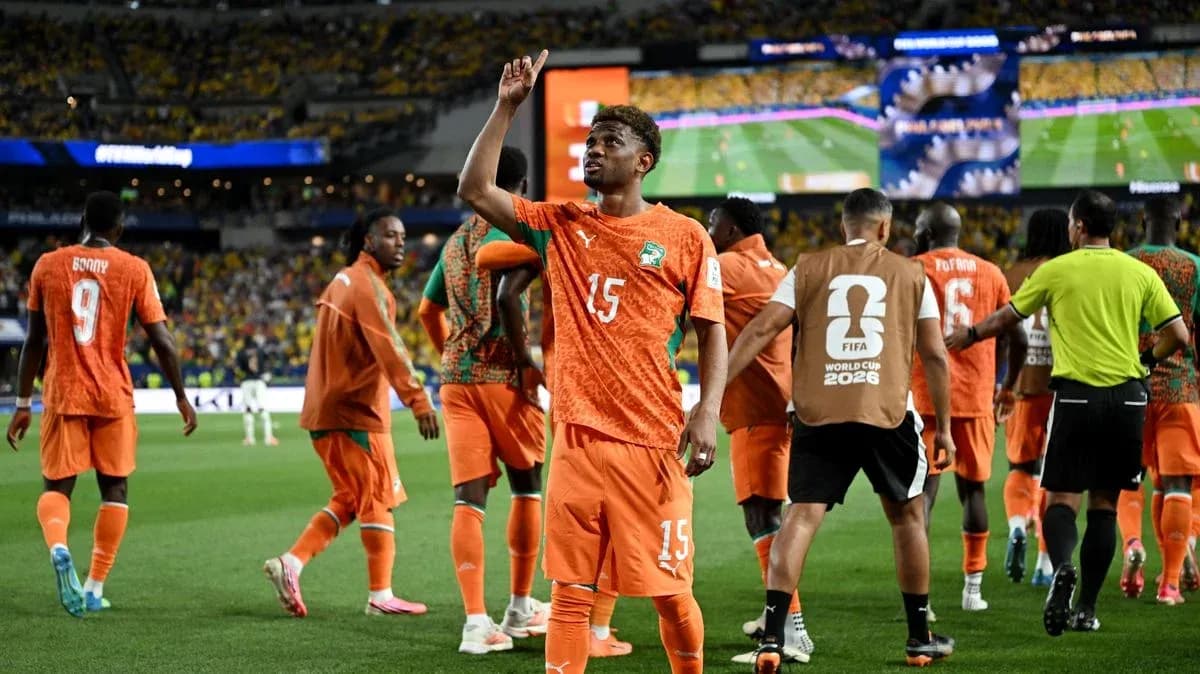
When he finally entered the fray, replacing Toure, he did not hug the touchline and wait for scraps. He drifted inside, took up pockets of space between the lines and played as a de facto central forward. In 34 minutes he changed the tone of the game, knitting attacks together and then finishing it himself with a brilliantly taken goal to seal the win over Ecuador.
One chance. One ruthless, first-time finish from a central position. Again.
With minnows Curacao still to come, that strike should be enough to push Ivory Coast towards the first World Cup knockout appearance in their history. It should also be enough to force Fae’s hand. Leaving Amad out again now would be a risk, not a luxury.
A national-team star, despite club frustrations
The contrast between his club and country form is stark.
At Old Trafford, Amad has just come through a bruising campaign: two goals and four assists in 32 Premier League appearances. On paper, those numbers do not leap off the page in a side chasing major honours and juggling multiple attacking options.
For Ivory Coast, the picture is very different. The goal in Philadelphia was his fifth in nine games since the start of the Africa Cup of Nations in December, a run that also includes two assists. When he pulls on the orange shirt, he looks like a man who knows exactly what his role is – and how to hurt teams from it.
The common thread in his recent international goals is telling. Both have come from central areas, both swept in first time from low crosses from the right. These are not hopeful hits from distance or speculative efforts from wide. They are the finishes of a player who reads the box, arrives on time and trusts his technique.
That is the profile of more than just a right winger.
The case for a central Amad at United
United have almost typecast Amad as a right-sided attacker. Last season he spent virtually all his minutes stationed there, stretching play, linking with the full-back, doing the diligent work that often goes unnoticed. It was safe, reliable, predictable.
His loan spell at Sunderland told a different story. Used as a false nine, he became a regular goalscorer in the Championship, ghosting into spaces centre-backs hate and punishing any lapse in concentration. That version of Amad – inventive, ruthless, central – is the one Ivory Coast are tapping into now.
It is also the version United might need most.
Michael Carrick has already gone on record with a strong defence of the Ivorian, urging people to look beyond the raw numbers and focus on his contribution to the team’s overall play. That kind of backing matters, especially for a young attacker whose game is built on risk and creativity.
United’s front line is flexible. Bryan Mbeumo and Matheus Cunha can both operate across the front three. There are plans to add more firepower, either in the form of an experienced forward or a left-sided attacker. The squad is being shaped to keep opponents guessing.
Yet the most glaring gap is not out wide. It is behind the striker.
Life after Bruno – and the opening for Amad
Bruno Fernandes has just delivered the season of his life. He remains the heartbeat of this United side, the man who sets the tempo and drags games in his direction. But he turns 32 in September and has carried a relentless workload since arriving in January 2020.
United cannot keep asking him to play every minute of every big game.
Cunha and Mason Mount offer alternatives as a No. 10 for certain matches. Both can operate between the lines, both bring energy and movement. Neither, though, is a natural long-term heir to Fernandes’ creative throne.
Amad is quietly making his pitch.
His work for Ivory Coast through the middle shows a player who can finish chances, connect attacks and operate in tight spaces. He has the technical security to receive under pressure, the awareness to slide into half-spaces and the instinct to arrive in scoring positions. In a system that values interchanging forwards and constant movement, he fits the profile of a modern, hybrid No. 10.
Diomande’s emergence on the right at international level only sharpens the point. If the teenager continues to grow into that role for Ivory Coast, Amad’s long-term future for his country might lie centrally, either in Pepe’s position or drifting in from the left. Pepe is 31; that succession plan is already writing itself.
The same question now hangs over his club career. Is Amad Diallo just another right winger in a crowded Manchester United attack, or is he the player who finally allows Bruno Fernandes to breathe?
On current evidence, he is doing everything he can to force the answer.