World Cup 2023: Messi, Mbappe, and the Clash of Generations
The World Cup is roaring now. The 48‑team experiment that many feared would dilute the spectacle has instead thrown up a tournament crackling with storylines: Cape Verde trading blows with giants, Japan and Egypt refusing to bow, lower‑ranked sides ripping up reputations. And at the centre of it all, as ever, stand the game’s biggest stars.
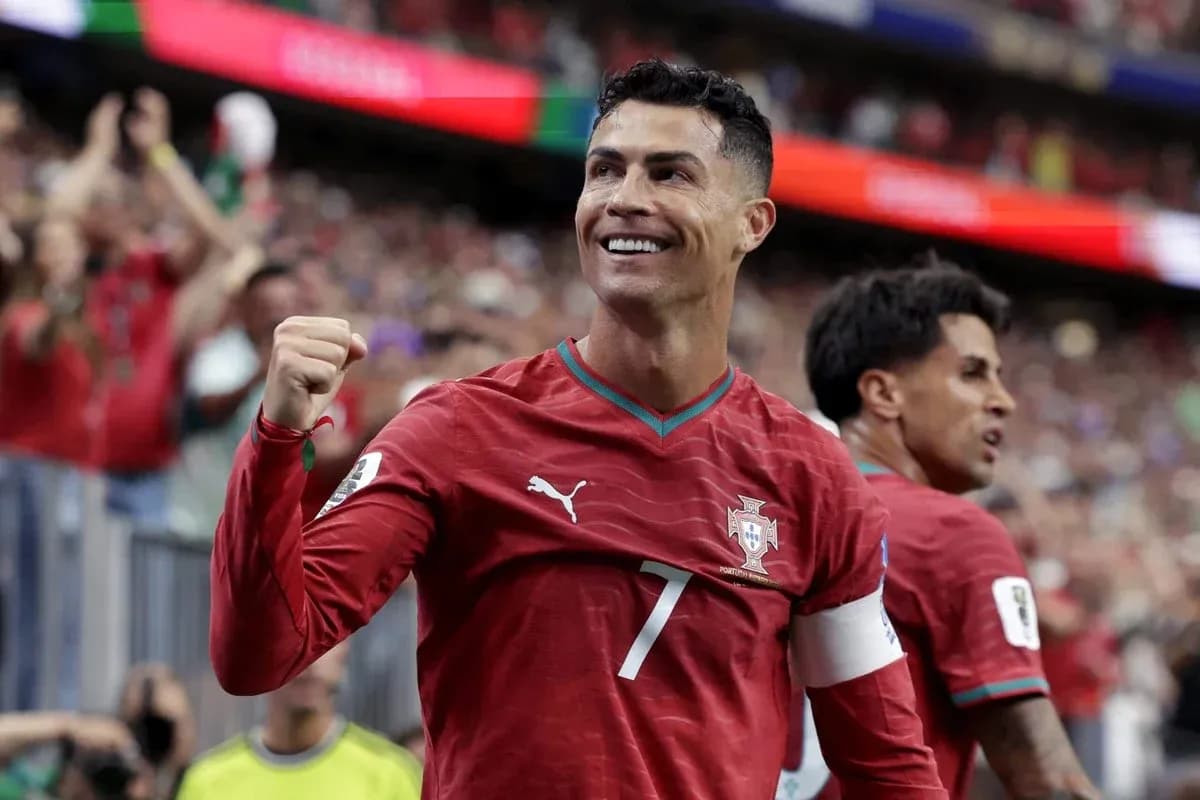
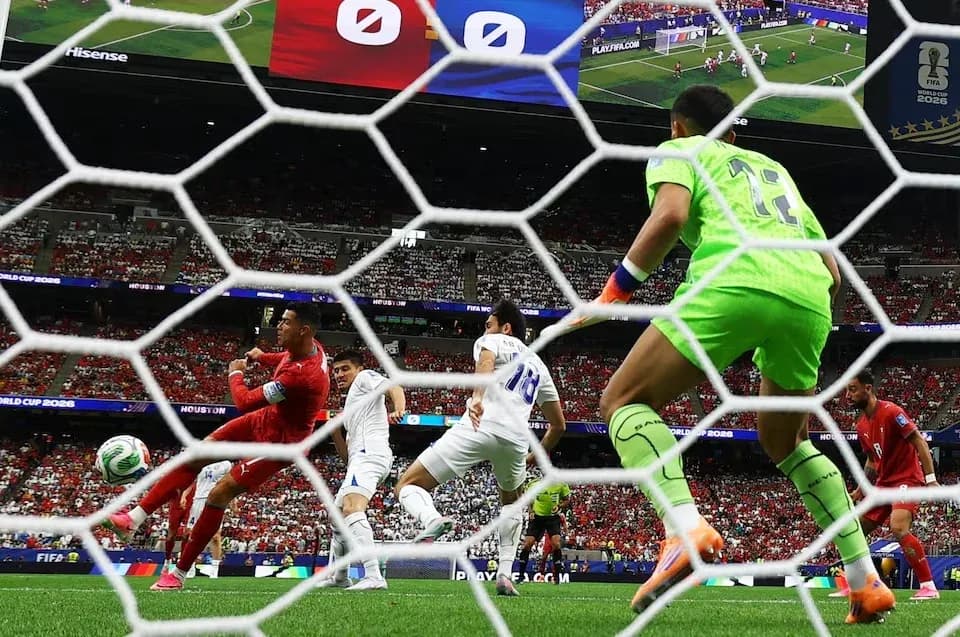
Lionel Messi has already seized the stage. Kylian Mbappe and Erling Haaland have flashed their brilliance. Cristiano Ronaldo has just reminded everyone he is not here for a farewell tour, dismantling Uzbekistan with the kind of ruthless finishing that built his legend.
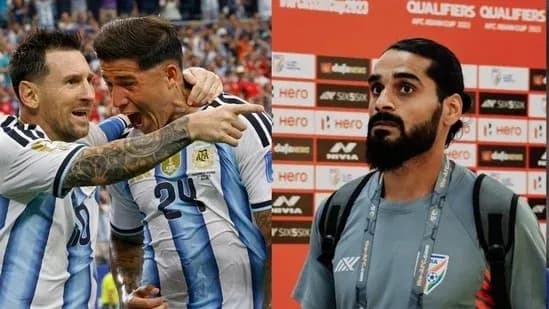
Watching it all with a defender’s eye is India centre‑back Sandesh Jhingan, part of the Zee5 expert panel, who spoke to Hindustan Times Digital about a World Cup that feels like a collision of eras: the enduring genius of Messi and Ronaldo against the hungry surge of Mbappe, Haaland and Lamine Yamal.
Messi at 39: “He makes you feel like a kid”
Messi’s numbers at this World Cup are absurd: five goals in two games, hat-tricks and braces at 39, gliding through defences as if time has no claim on him. For Jhingan, who lives the grind of elite football, that is the true miracle.
“The hardest thing,” he says, “the greatest talent you can have, is that consistency.”
Longevity at this level is not just about talent; it is about repeating excellence when the body and mind scream for rest. Messi is still doing it on the biggest stage.
Jhingan talks less like a pundit and more like a fan when he describes a visual from the Zee studio: a 100‑year‑old woman in the stands, utterly transfixed by Messi. “When you watch Messi, it gives you that feeling of being a kid,” he says. For him, that centenarian must have felt like a 10‑year‑old again. That is the effect Messi still has: he drags generations back to the pure joy of the game.
And this is not nostalgia. It is cold, current reality. Argentina are defending their title with authority, and their No. 10 remains the sharpest weapon in the armoury.
Argentina’s steel behind the sparkle
The romance sits up front with Messi, but Jhingan’s admiration begins at the back. Argentina have not conceded a goal yet, and that is no accident.
“The reason Messi is doing so well,” he explains, “is because the team’s shape and compactness are so good.”
He points straight at Lionel Scaloni and his staff. Top coaches, he insists, build around their players rather than imposing a rigid doctrine. Argentina have become the textbook example.
Sometimes they drop deep, sometimes they hold a mid‑block, but the structure rarely breaks. The defenders and midfielders know their job: win it, give it, and trust Messi. That trust is not blind faith; it is a collective understanding that their graft buys him the freedom to operate higher and decide games.
The result is a side that looks calm in chaos. They know when to sit back, when to press together, when to squeeze space. For all the talk of Messi’s magic, Jhingan keeps returning to the same theme: organisation, discipline, compactness. That is the platform.
Lautaro’s running, Messi’s goals, and the “reliance” debate
Lautaro Martinez’s display against Austria summed up this Argentina: a centre-forward popping up everywhere, tackling back, linking play, stretching the pitch with endless runs. Yet criticism lingers that Argentina’s strikers are not scoring enough, that the champions lean too heavily on Messi.
Jhingan shrugs off the accusation.
“If I’m an Argentine player or fan,” he says, “I wouldn’t mind being called reliant on Messi as long as the team is winning.”
The key, for him, is that the reliance is framed within a system, not as a crutch. Argentina are not a one‑man band; they are a well-drilled unit built to maximise their best player.
They hunt the ball as a pack, stay compact, and then create the perfect stage for Messi and the other attackers. The evidence is on the table: results, progression to the next phase, and a group that looks like it knows every role by heart. The coaching staff, in Jhingan’s eyes, deserve as much praise as the man finishing the moves.
Mbappe and the World Cup gene
If Messi is redefining what 39 can look like, Mbappe is rewriting what a prime can be. Already a World Cup winner, already a scorer in a final, already a man whose numbers in this competition belong in the same sentence as legends.
“With his goals and his numbers, it’s incredible,” Jhingan says.
Mbappe is only 27 or 28, yet his tournament record is already “mind-blowing”. The comparison that hangs over every conversation is obvious: Messi and Ronaldo. They have set the standard, the “pillars” as Jhingan calls them.
Can Mbappe sit at that table? The defender does not rush to crown him. For him, the question is not talent – Mbappe has all the “credentials” – but endurance. Can he maintain this for 15, 20 years the way Messi and Ronaldo did? Can he stay fit, stay motivated, keep that edge?
One thing is already clear to Jhingan: when the World Cup arrives, Mbappe changes gear. “Whenever the World Cup is there, that guy just brings an extra level,” he says, recalling 2018 and 2022. The biggest stage, the brightest lights, and Mbappe grows. That, Jhingan insists, is the mark of a truly big player.
Lamine Yamal: joy for fans, nightmare for defenders
If Mbappe represents the established future, Lamine Yamal is the raw, thrilling now. Still a teenager, not yet playing every minute, yet already bending games to his will.
From a defender’s perspective, Jhingan is blunt: “If you’re in a one-on-one situation with Lamine, most of the time he’s going to get past you.” That is his gift. He is the kind of winger people pay to watch, a player whose first instinct is to take you on and keep going.
So how do you stop him? You don’t, at least not alone.
Jhingan dismisses the idea that the duel is purely individual. A defender can win 89 minutes of battles and still be branded the loser if one shot or deflection goes in. The real job, he says, is to cut the game down to as few of those moments as possible.
That means compressing space, staying compact, denying him the ball in dangerous zones. It means midfielders pressing, forwards pressing, the back line holding high. The goal is not to win every tackle; it is to reduce the number of times you have to make one in isolation against a player who lives for that scenario.
Ronaldo, the bench debate, and a defender’s blunt verdict
While Messi glides and Mbappe surges, Ronaldo remains under a harsher glare. Every miscontrol, every missed chance, every off day is fuel for the same question: should he be benched?
Jhingan does not hide his feelings.
“The debate that is there right now,” he says, “I’m going to give a bold statement, but all this debate is from the ones who never played professional football, or who never played much of it professionally.”
Opinions are fine, he adds, but the only one that matters is Roberto Martinez’s. The head coach decides. If he thinks Ronaldo is good enough, he plays.
The scrutiny, Jhingan points out, has always followed both Ronaldo and Messi. If one scores and the other does not, the noise begins: age, legs, pace, decline. What gets lost, he argues, is the wider picture. At club level, Ronaldo finished as top scorer in the Saudi league. He scored heavily in World Cup qualifiers. Those numbers do not vanish because of a quiet night.
For Jhingan, the pattern is familiar. Doubt Ronaldo, and he usually answers. He expects the same here, predicting that the Portugal captain will “open his account in a big way” and, once again, silence the critics.
Golden Boot race: giants only
With the group stage still young, the race for the Golden Boot already has a familiar look.
Jhingan sees it as a three‑way shootout. Messi, with his “very healthy lead” on five goals, sets the pace. Mbappe lurks. Haaland, finally on the World Cup stage, stands alongside them. And Ronaldo, Jhingan insists, is not out of it yet.
“It’s still an early stage,” he says, but the script is exactly what the tournament wanted: the biggest names scoring, the biggest egos colliding. For fans, it means simple things – more goals, more fun, more chaos.
Backing Japan in a wide‑open World Cup
Ask a defender who he thinks will lift the trophy and you expect a safe answer: Argentina, maybe France, perhaps Brazil. Jhingan smiles and goes another way.
“I’m going to be biased,” he admits. His heart is with Asia. His pick? Japan.
He knows the heavyweights are there – Argentina, the usual contenders – but he wants an Asian side to crash the party and go “as high as they can”. Japan, with their technical quality, relentless work-rate and growing World Cup pedigree, fit that dream.
In a tournament already blown open by new faces and old masters, it does not feel outlandish. Messi is scoring like it is 2012. Mbappe is hunting history. Haaland is learning the rhythm of this stage. Ronaldo is still raging against the dying of the light. Lamine Yamal is daring defenders to blink.
If this is what the expanded World Cup looks like in its early chapters, what happens when the stakes rise and the margins shrink?