World Cup 2023: Evolution or Bloat?
The World Cup that wouldn’t stop growing is finally here.
In less than 12 hours, Mexico and South Africa will walk out for the opening game of a tournament that stretches to 104 matches and asks a blunt question of modern football: is this bold evolution or pure bloat?
A World Cup on steroids
Mexico v South Africa at 8pm is the first act in a marathon. Forty‑eight teams. Twelve groups. A round of 32. A format that looks purpose-built to keep the superpowers safe and the sponsors happy.
Two teams qualify automatically from each group. Eight of the best third-placed sides come with them. Sixty‑seven per cent of the field reaches the knockouts. In practical terms, a heavyweight can lose twice and still limp into the last 32. Jeopardy, the lifeblood of great group stages, has been dialled down.
That’s why fixtures like Germany v Curacao and Spain v Cape Verde on the opening days feel like foregone conclusions, not global events. Qatar v Switzerland, Uzbekistan v Colombia – they matter deeply in the countries involved, but they’re hardly going to stop traffic elsewhere.
The drama will come. It always does. But this time it may not arrive until the bracket narrows and the knives come out in the knockouts.
Favourites under the sun
On the pitch, the cast is irresistible.
Spain arrive as European champions and bookmakers’ favourites, armed with what might be the most complete squad in the tournament. Their midfield is the envy of almost everyone. They want to bolt a World Cup onto a European title and reclaim the aura of their 2010 peak.
One cloud hangs over them: Lamine Yamal. A hamstring injury has left his availability for the group stage uncertain, and while Spain have the depth to manage his minutes, the entire attacking shape looks different when he is at full throttle.
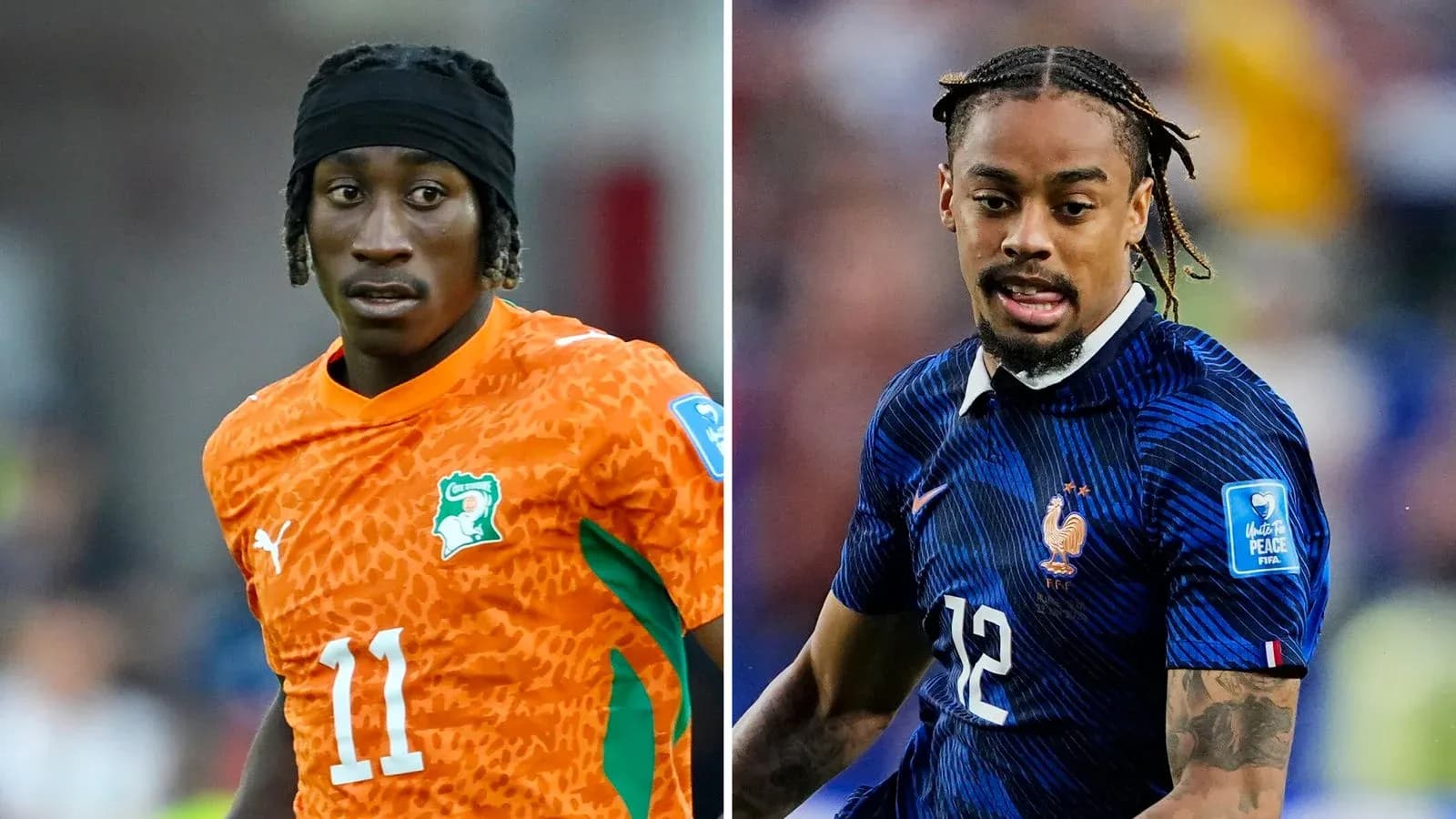
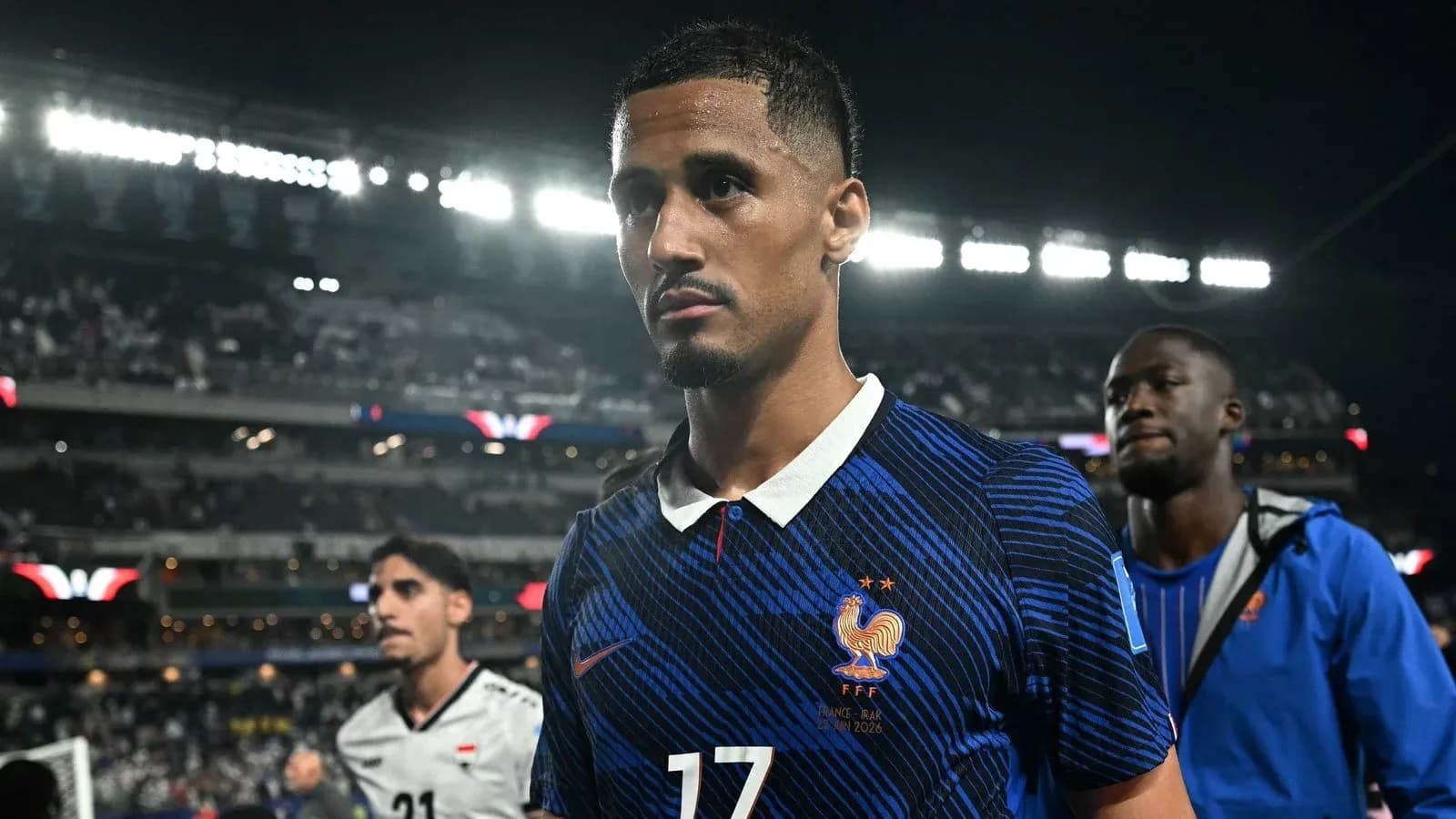
France stand squarely in their way. Back-to-back finalists, loaded again. Kylian Mbappé, Ousmane Dembélé, Michael Olise, Désiré Doué – a forward line that can slice anyone open in seconds. If both Spain and France top their groups, they will only collide in the semi-finals. That potential clash already feels like a date the football world has circled in pen.
For Didier Deschamps, this is the last dance. He leaves after this tournament, and the mission is brutally simple: one step further than 2022.
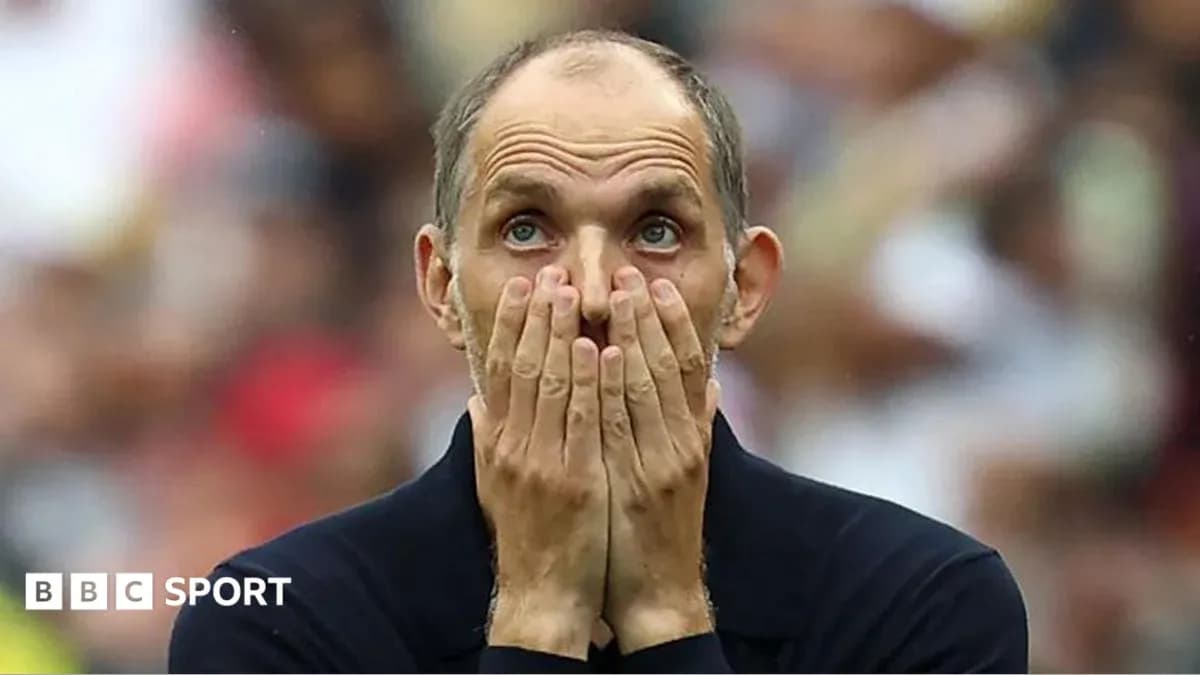
England, too, carry the scar tissue of a recent near miss. Beaten by Spain in the Euro 2024 final, they arrive under Thomas Tuchel with something they have rarely possessed in recent decades at a World Cup: genuine belief in the manager’s tactical plan.
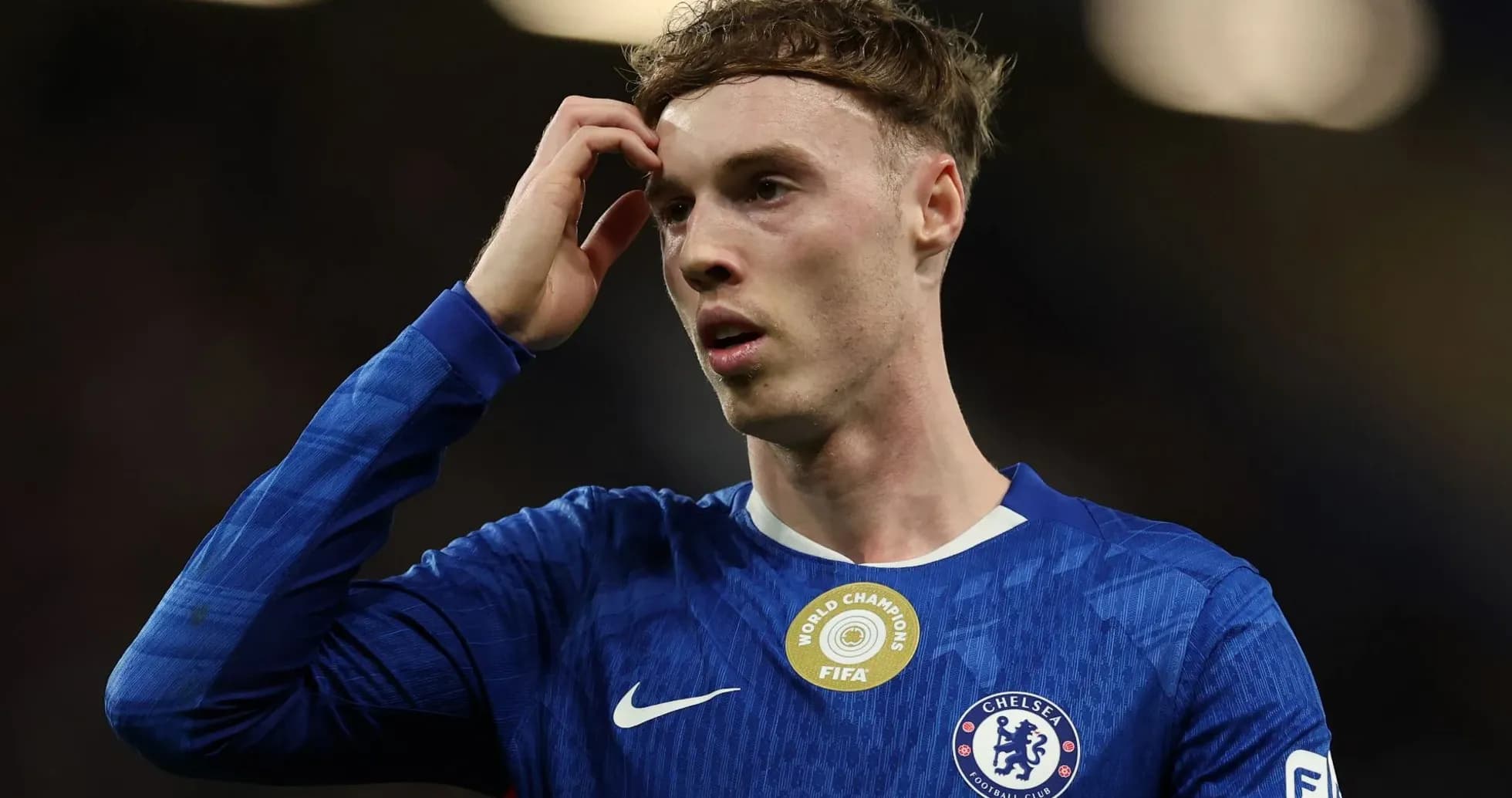
Tuchel has taken a machete to the comfort zone. Gareth Southgate’s cautious, safety-first football has been replaced by a more fluid, high-intensity approach. Big names have paid the price. Phil Foden, Cole Palmer, Trent Alexander-Arnold – left at home because they do not quite fit the system. It is a bold, ruthless call that will be thrown back at Tuchel if England falter early. If they go deep, it will be framed as the moment the national team finally chose structure over sentiment.
The old giants with new doubts
Argentina and Brazil still carry the weight of history, but both step into this World Cup with questions hanging over them.
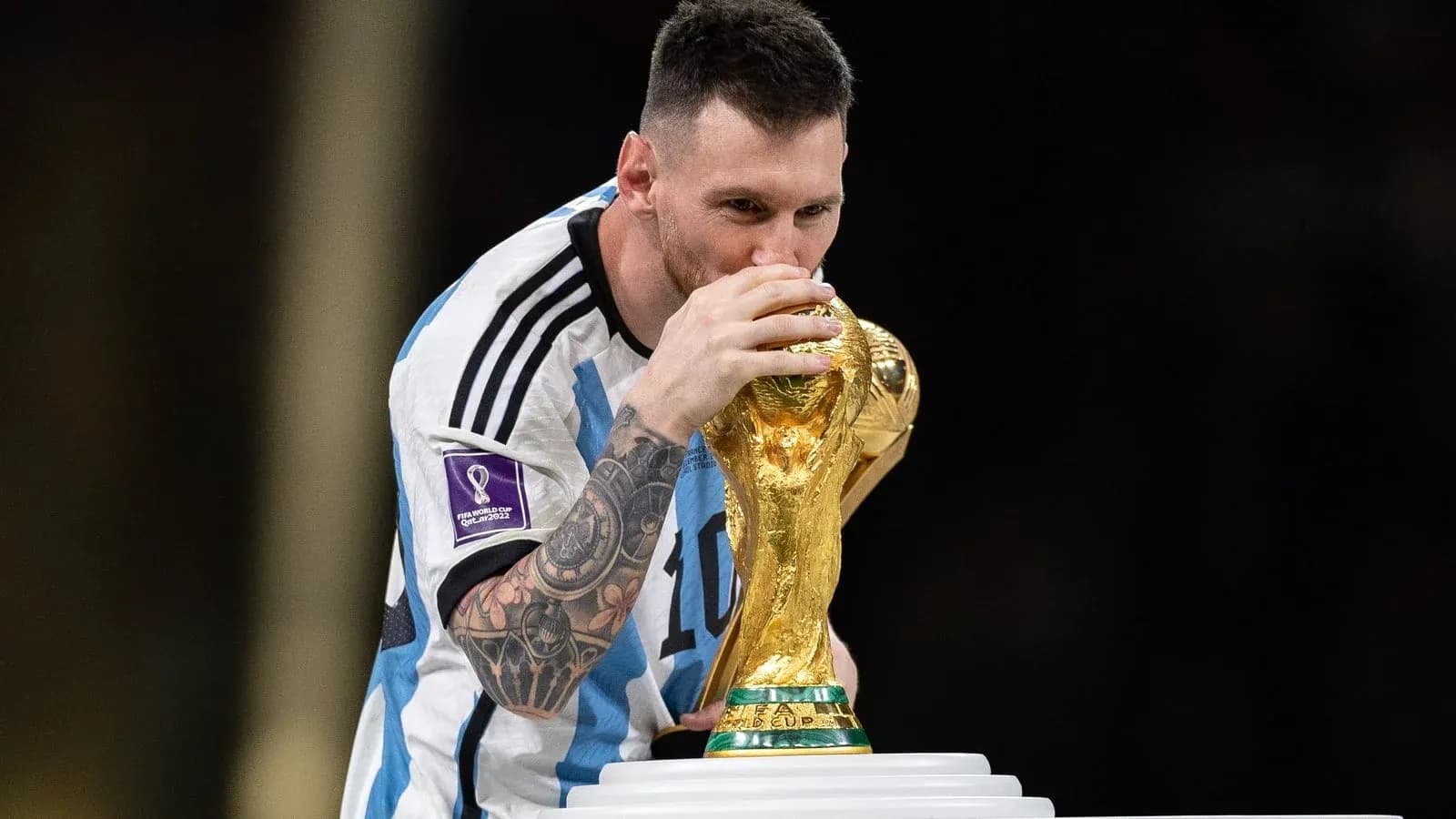
Argentina are chasing a slice of immortality: the first back-to-back World Cup triumph since Brazil in 1962. At the centre of it all, again, stands Lionel Messi. Now 38, he is trying to squeeze one last miracle out of a body that has already given the sport more than it had any right to ask for. If he drags Argentina to another title, the comparisons with Diego Maradona shift from fierce debate to something closer to coronation.
Brazil, under Carlo Ancelotti, have the talent but not the old inevitability. Their qualifying campaign was patchy. The defence has authority in Marquinhos, the attack carries real menace with Vinícius Júnior and Raphinha, yet the midfield feels like an unresolved puzzle. Ancelotti has been hired to bring calm and clarity, but this is not the all-conquering Seleção of old. It is a contender with flaws.
And as ever, the warning stands: never write off Germany. Julian Nagelsmann has injected energy and tactical edge into a side that had looked stale. They are not the most glamorous squad at this World Cup, but they are built to navigate tournaments. The cliché survives because Germany so often do.
Behind them, a pack of dangerous outsiders lurks. Colombia, Senegal, Morocco – all with enough quality and cohesion to bloody a giant’s nose in a one-off game. In a stretched tournament, with tired legs and rotating line-ups, those ambushes become even more likely.
Heat, fatigue and the long haul
This World Cup will not just be played on tactics boards. It will be played in the heat.
Matches in Miami, Houston, Guadalajara, Mexico City – cities where extreme heat in June and July is a regular, punishing reality. FIFA has tried to get ahead of the problem: hydration breaks at the 22nd and 67th minutes in every game, a schedule that pushes many daytime kick-offs into air-conditioned stadiums.
Even so, the conditions will bite. Eight games for those who go the distance, on the back of a gruelling club season, is a brutal demand on the body. Teams know it. Plans are already built around load management.
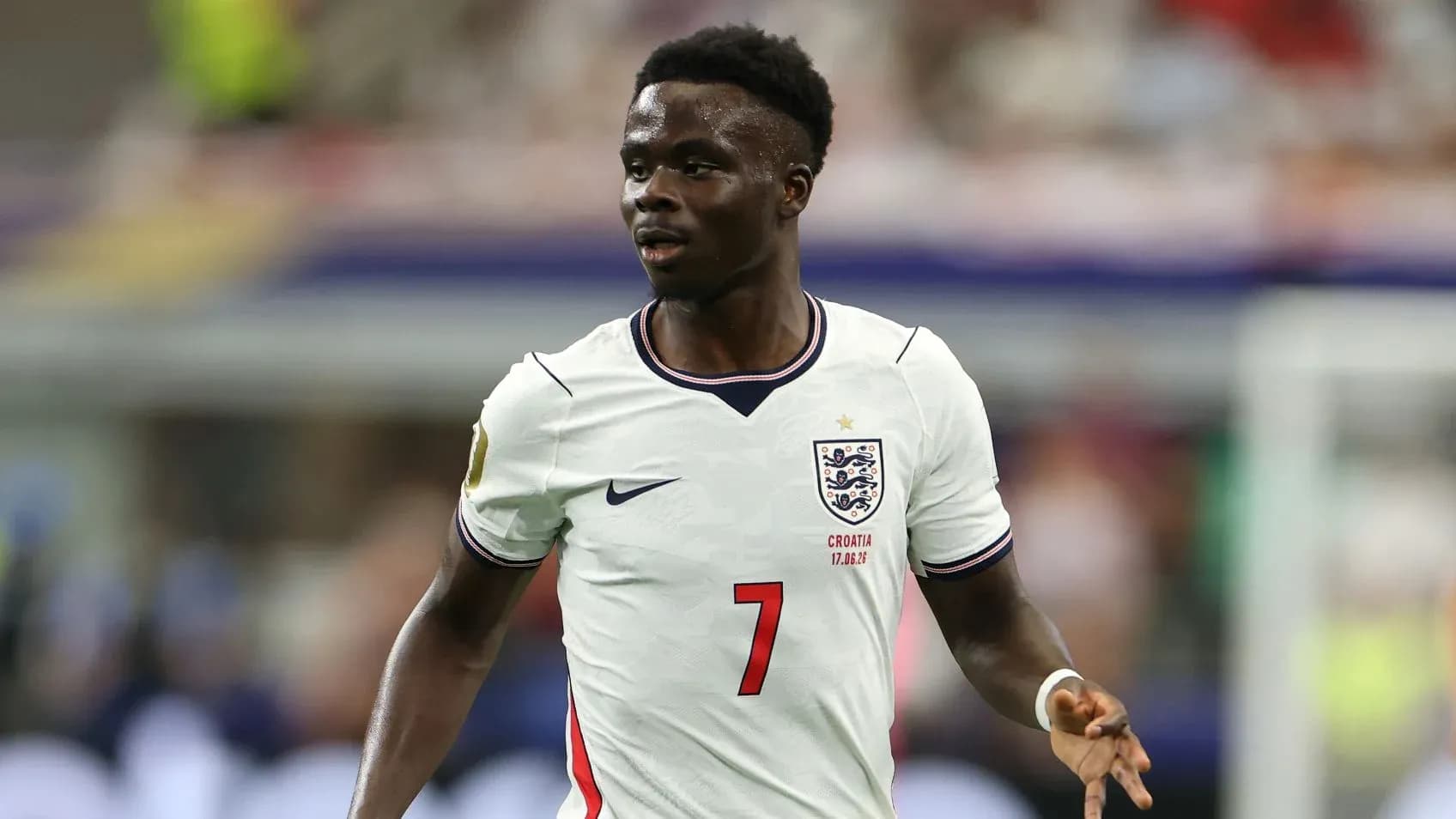
Stars like Messi, Neymar, Yamal, Bukayo Saka and Nico Williams are unlikely to be flogged through every minute of the early group fixtures. Expect rotation, carefully managed workloads, the odd “precautionary” rest. The extended group phase, dull as it may feel at times, is a gift for managers nursing fragile hamstrings and sore ankles.
On paper, the climate should favour nations accustomed to playing in suffocating heat: Spain, Brazil, Argentina, Mexico. They know how to manage tempo, when to sprint, when to let the ball do the work.
For supporters in less forgiving time zones, the demands are different. Irish fans, for example, face late nights and early alarms. Brazil’s opener against Morocco kicks off at 11pm on a Saturday. Argentina begin at 2am on a Wednesday. Coffee, not carnival, will fuel plenty of viewing parties.
A tournament that must earn its size
Strip away the gloss and this World Cup is making a big ask of everyone. Players, coaches, fans in the stands, viewers on the sofa. Heat, travel, time zones, and a bloated schedule that stretches attention as much as it stretches squads.
There will be dead rubbers. There will be mismatches. There will be days when the group stage feels like a slog.
But there will also be a moment – there always is – when the noise cuts through, the stakes spike, and the tournament catches fire. A giant on the brink. A shock in the last minute. A legend refusing to go quietly.
Only then will we know if 104 matches were an indulgence too far or the price of a bigger, broader World Cup era.
That verdict will not arrive tonight in Mexico, or tomorrow in Germany’s opener, or even when Spain first step onto the pitch. It will land on 19 July, when the final whistle blows and the last confetti falls, and football decides whether this vast new World Cup was worth every extra minute.