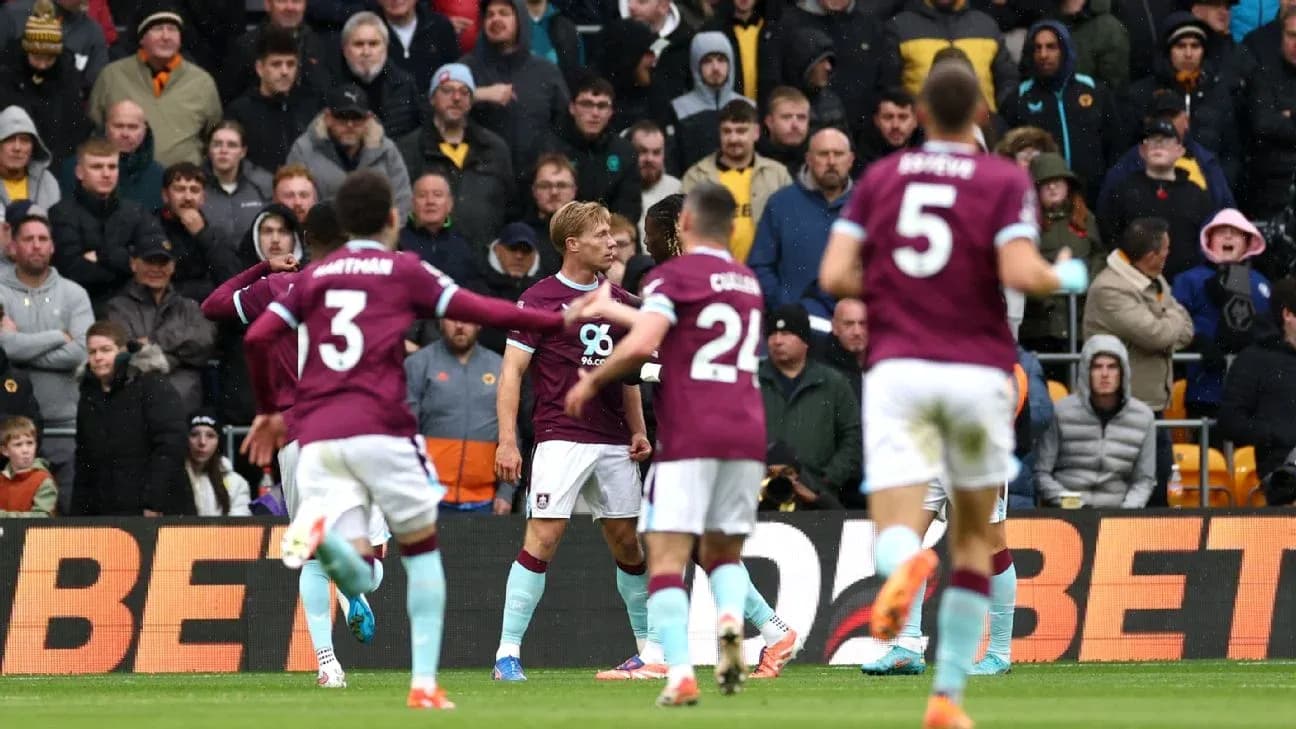
Wolves vs Fulham: Premier League Clash at Molineux
Wolves host Fulham at Molineux Stadium in a high‑pressure Premier League Round 37 fixture in 2026, with the home side bottom of the table in 20th on 18 points and already effectively condemned to relegation, while mid‑table Fulham sit 11th on 48 points and are playing primarily for final positioning and prize money rather than European qualification or survival stakes.
Head-to-Head Tactical Summary
The recent Premier League head-to-head record shows a slight edge for Fulham, but with both sides having had their moments home and away.
On 1 November 2025 at Craven Cottage, Fulham beat Wolves 3-0 (HT 1-0), underlining a clear home dominance on that day. Earlier in the same stadium on 23 November 2024, Wolves had produced a strong away performance, winning 4-1 (HT 1-1), showing they can be dangerous in transition when they get their attacking patterns right.
At Molineux, the balance has been tighter. On 25 February 2025, Fulham won 2-1 (HT 1-1), edging a close contest. Before that, on 9 March 2024, Wolves had secured a 2-1 home victory over Fulham (HT 0-0), indicating that games between these sides at this venue tend to be narrow and often decided late. Going back to 27 November 2023 at Craven Cottage, Fulham beat Wolves 3-2 (HT 1-1), another open game with goals at both ends.
Overall, the pattern across these five meetings is of relatively high-scoring encounters, with both teams finding the net regularly and no long-term dominance at Molineux.
Global Season Picture
- League Phase Performance: In the league phase, Wolves are 20th with 18 points from 36 games, scoring 25 goals and conceding 66 (goal difference -41). Their home record is 3 wins, 4 draws, 11 losses with 18 goals for and 33 against. Fulham are 11th with 48 points from 36 games, scoring 44 goals and conceding 50 (goal difference -6). Away from home they have 4 wins, 4 draws, 10 losses, with 16 goals for and 30 against.
- Season Metrics: In the league phase, Wolves’ numbers from team statistics confirm a very low-output attack and leaky defense: 25 goals for in 36 matches (0.7 per game) and 66 conceded (1.8 per game). They have failed to score in 19 league matches, highlighting a blunt attack, and kept only 4 clean sheets, pointing to a fragile back line. Discipline is an issue, with yellow cards heavily concentrated between minutes 46-75 (38 cards in that 30-minute window) and three red cards spread across the middle phases of games. Fulham, in the league phase, present a more balanced but still inconsistent profile: 44 goals scored (1.2 per game) and 50 conceded (1.4 per game). They have failed to score in 11 league matches but kept 8 clean sheets, suggesting a mid-table side capable of both solid defensive performances and off-days in attack. Their card profile shows a spike in yellow cards late in matches (minutes 76-105), which can affect game management, and a single red card in the 46-60 minute range.
- Form Trajectory: Wolves’ league phase form string “LDLLL” reflects a side in freefall: one draw followed by four straight defeats, consistent with their broader season pattern of long losing streaks and minimal recovery. This confirms that they enter this match low on confidence and momentum. Fulham’s form “LLWDL” is also negative overall, with three defeats in the last five, one win and one draw. They are not in relegation danger, but this dip has effectively closed off any late push towards European places and underlines their inconsistency, especially away from home.
Tactical Efficiency
Using the league phase team statistics as a proxy for tactical efficiency, Wolves’ attack has been one of the least efficient in the division: 0.7 goals per game despite a full campaign of varied formations (notably 3-4-2-1 and 3-5-2). The high number of matches where they fail to score (19) points to poor conversion and limited chance creation relative to their xG profile, even though the exact xG values are not listed. Defensively, conceding 1.8 goals per game with only 4 clean sheets indicates a porous structure, regularly exposed regardless of shape.
Fulham’s tactical efficiency is more mid-table: 1.2 goals scored and 1.4 conceded per game in the league phase. Their 4-2-3-1 base has delivered a moderate attacking threat and a defense that is vulnerable, especially away (30 goals conceded in 18 away games, 1.7 per match). The relatively higher clean-sheet count (8) suggests that when their defensive block is compact and protected, they can manage games effectively, but their away metrics show that their defensive index drops significantly on the road.
Without explicit numeric attack/defense indexes from the comparison block, the relative picture is clear: Fulham hold a stronger attacking and defensive profile than Wolves in the league phase, particularly in terms of goal output, clean sheets, and reduced frequency of games without scoring. Wolves’ efficiency at both ends is among the weakest in the league, while Fulham sit in a typical mid-table band, with enough attacking edge and defensive resilience to punish a bottom-side defense but not enough consistency to dominate games away from home.
The Verdict: Seasonal Impact
For Wolves, this Round 37 fixture is about damage limitation and pride rather than survival. In the league phase, their position (20th, 18 points, -41 goal difference) means even a win is unlikely to alter the relegation narrative, but it could slightly improve their final points total and goal difference, which matters for post-relegation reset and morale heading into the Championship in 2027. A defeat or draw would simply confirm a historically poor Premier League campaign and could accelerate squad and structural changes in the summer.
For Fulham, already 11th on 48 points, the seasonal impact is primarily about final placement and prize money. A win could push them closer to the top half and potentially into contention for a finish around 9th–10th depending on other results, strengthening the perception of a stable mid-table year. Dropped points against the bottom side, especially given Wolves’ league phase record of 3 wins in 36, would underline their inconsistency and might see them slide towards the lower half (12th–13th range), slightly weakening their negotiating position in the transfer market and in contract talks.
From a broader league perspective, this match is unlikely to affect the title race or top-four picture directly. Its main structural impact lies at the bottom: a Wolves win would not save them but could influence the final relegation table order, while for Fulham it is a test of professionalism and tactical focus in a low-stakes environment. The expectation, based on league phase data, is that Fulham’s superior attacking and defensive metrics should give them the edge, but their away fragility and recent form mean that any drop in intensity could open the door for Wolves to salvage a late-season statement result that slightly reshapes the narrative of their relegation year.