Vancouver FC Dominates Pacific FC in Canadian Premier League Clash
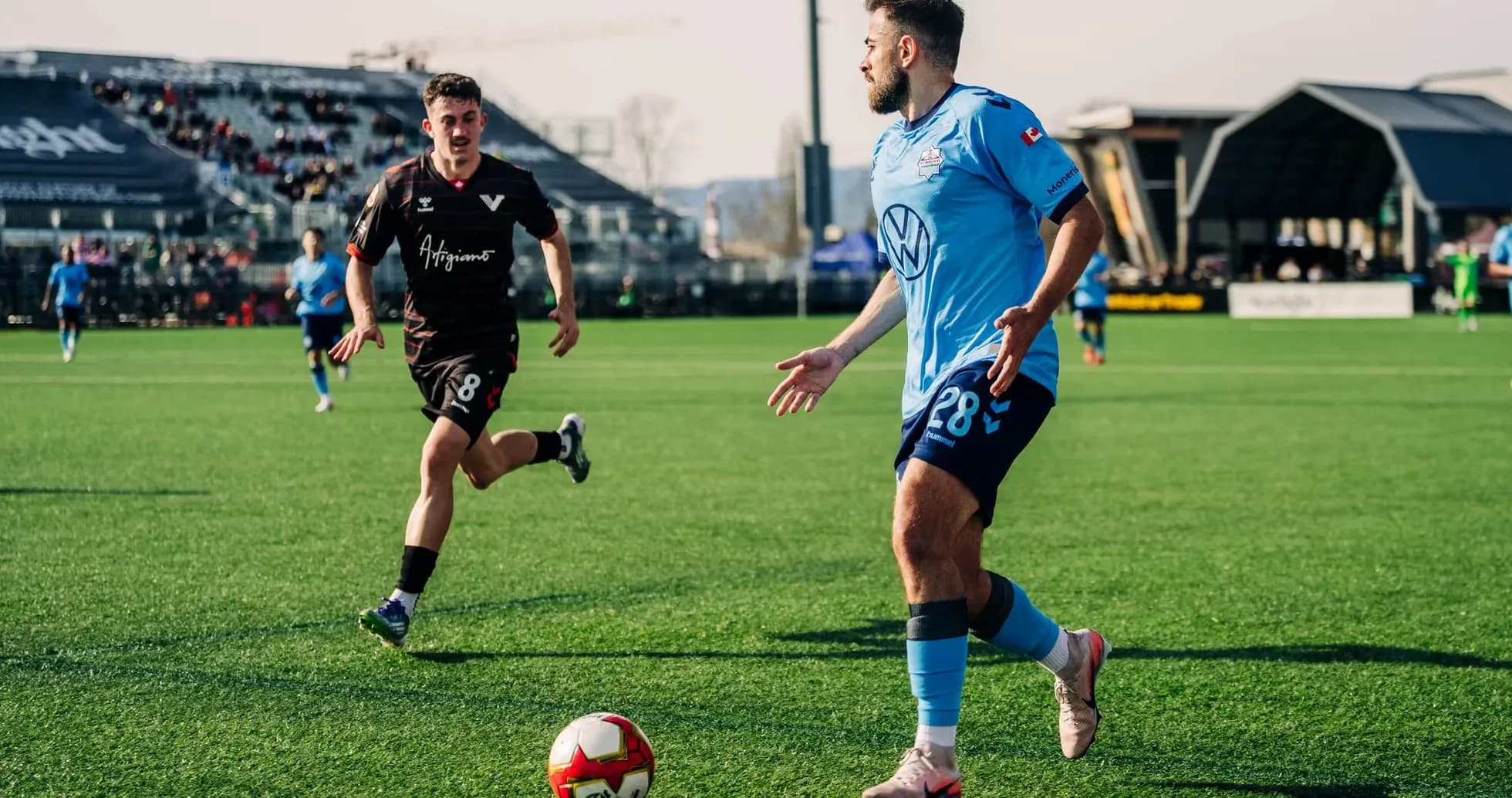
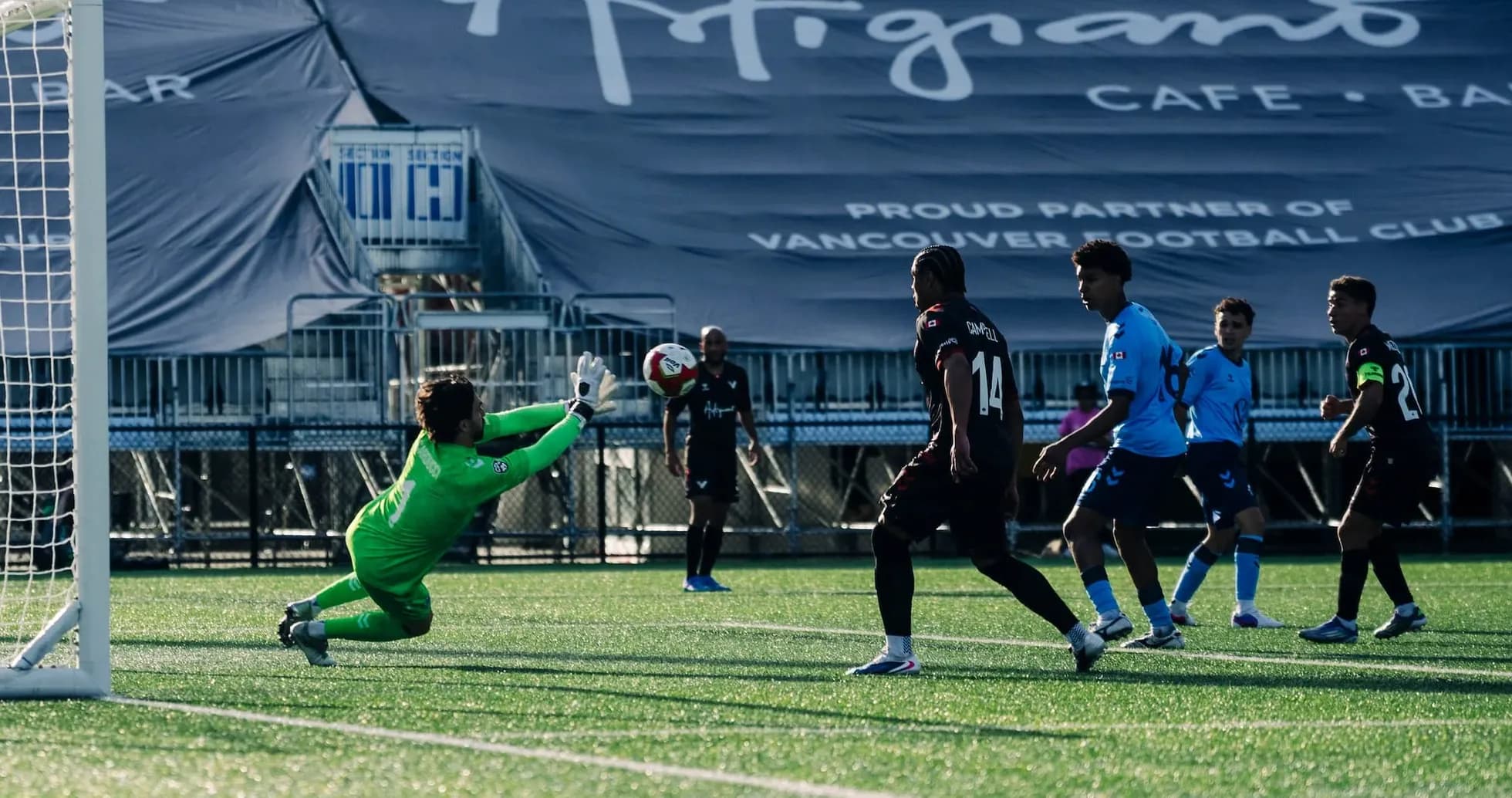
Under the Starlight Stadium floodlights, this all-British Columbia clash in the Canadian Premier League ended with a clear statement: Vancouver FC arrived as the more complete, more mature side, and left with a 3–1 away win that exposed Pacific FC’s early‑season fragilities.
I. The Big Picture – Two clubs, one divergence in trajectory
Following this result, the table tells a stark story. Pacific sit 8th with 1 point from 5 matches, their overall goal difference at -5 from 6 goals for and 11 against. At home, the picture is even bleaker: 4 defeats in 4, with 4 goals scored and 9 conceded. The Starlight, once a fortress, currently feels more like a pressure cooker.
Vancouver, by contrast, climb into a more stable mid‑pack posture at 6th with 4 points from 5. Their overall goal difference is -1, with 4 goals scored and 5 conceded – not spectacular, but underpinned by defensive organisation. On their travels, they now have 1 win, 1 draw and 1 defeat, with 4 goals scored and 3 conceded, making this 3–1 success their standout away performance of the campaign.
The half-time scoreline – 0–1 to Vancouver – set the tone. Pacific had to chase, and in doing so they played directly into Vancouver’s structural strengths: a disciplined block, a hard‑working midfield, and a front line that punishes space.
II. Tactical Voids – Discipline, structure, and the ghosts of missing control
The squads named by James Merriman and Martin Nash underlined contrasting realities. Pacific’s starting XI leaned heavily on technical profiles – the creativity of M. Bustos, the movement of A. Díaz, the energy of A. Daniels – but the deeper structural piece, the ability to control transitions and manage risk, was missing again.
Season data reinforces that sense of imbalance. Heading into this game, Pacific had failed to keep a single clean sheet in total, conceding an average of 2.3 goals at home and 2.2 overall. Their disciplinary profile is equally alarming: yellow cards cluster late, with 30.77% between 61–75 minutes and a further 38.46% between 91–105 minutes. Red cards are concentrated in the closing stages too, with 50.00% between 76–90 minutes and 50.00% between 91–105. This is a team that loses composure as matches stretch.
Those patterns cast a shadow over players like R. Juhmi and J. Belluz. Juhmi, with 2 yellows in 5 appearances, embodies Pacific’s tendency to foul under pressure in midfield. Belluz, who has already accumulated a yellow and a yellow‑red across 4 appearances, represents the back‑line’s volatility. Christian Greco-Taylor, also on 2 yellows, adds bite but at a disciplinary cost.
On Vancouver’s side, the disciplinary picture is far more controlled. Their yellow-card distribution is spread across the match, but with a notable concentration from 61–90 and into 91–105 minutes, each band carrying 22.22% of their cautions. Yet crucially, they have no reds so far. Midfield anchor M. Polisi, with 3 yellows but no dismissals, walks the line intelligently: he fouls when needed, but rarely catastrophically.
III. Key Matchups – Hunter vs Shield, Engine Room vs Enforcer
Hunter vs Shield
Pacific’s attacking identity is built around the finishing instincts of A. Díaz and the supporting cast around him. Díaz came into this fixture with 1 goal in total from 5 appearances, supported by the sharp cameo threat of Bul Juach, who has also scored once from limited minutes. Behind them, the surprising attacking influence of defender D. Konincks – 1 goal and 1 assist, plus 2 tackles and 1 blocked shot – hints at set‑piece danger.
Yet the “shield” they ran into was a Vancouver unit that, heading into this game, conceded just 1.0 goal on average both at home and on their travels. Five goals conceded in total from 5 matches, no clean sheets but no defensive collapses either. The back line in Langford – with M. Doner and P. Gee flanking the central presence of M. Campagna and T. Field – was compact, narrow, and content to let Pacific play in front of them.
The fact that Pacific found only one goal on the night is consistent with a broader pattern: they average 1.0 goal at home and 1.2 overall, but those numbers are built on moments rather than sustained territorial dominance. Vancouver’s away average of 1.3 goals for and 1.0 against was a warning that they could both absorb and strike; the 3–1 scoreline simply amplified that trend.
Engine Room – Playmaker vs Enforcer
The true battle unfolded in midfield. Pacific’s attempt to build through T. Gomulka and the rotation of Juhmi and Daniels ran into the hard edge of Polisi. Statistically, Polisi is one of the league’s most influential midfielders: 60 passes at 90% accuracy, 3 tackles, 1 block, 1 interception, and 10 duels with 6 won. He is Vancouver’s metronome and their shield in equal measure.
Every Pacific foray through the middle had to bypass him, and too often they could not. That forced Pacific to funnel attacks wide to Bustos and R. Kratt, or to hit earlier passes into Díaz, which Vancouver’s centre-backs were prepared for. Without a true controlling presence of their own – someone in the mould of M. Baldisimo, who has 85 passes at 94% accuracy but did not feature here – Pacific lacked the tempo control to unpick Vancouver’s block.
At the other end, Konincks’ dual role as Pacific’s top statistical defender and a key set‑piece threat was tested. His 134 passes at 89% accuracy and 17 duels (11 won) mark him as a foundational piece, but he cannot cover the entire back line. With Belluz’s disciplinary record and the inexperience around them, gaps opened whenever Pacific pushed full-backs like K. Chung and Greco-Taylor high.
IV. Statistical Prognosis – What this result really says
Following this result, the numbers harden into a narrative. Pacific’s overall averages – 1.2 goals scored and 2.2 conceded – describe a side that must win shootouts but lacks the stability to do so. Zero clean sheets in total, zero at home, and a growing catalogue of late cards suggest that as matches become chaotic, Pacific suffer more than their opponents.
Vancouver, with 0.8 goals scored and 1.0 conceded overall before this match, were due a breakout attacking performance; they found it here without sacrificing their defensive identity. Their away profile – 4 goals for and 3 against – underlines a team comfortable playing on the counter, trusting their structure and the work of players like Polisi and full-backs Doner and Gee.
If we map trends forward, the xG story (even without explicit values) is implied: Pacific’s porous defence and late‑game ill‑discipline will continue to inflate opponents’ chances unless Merriman rebalances his side around Konincks and a more stable midfield screen. Vancouver, meanwhile, look like a team whose defensive solidity provides a platform for incremental attacking improvement. Nights like this 3–1 in Langford suggest that, when their front line clicks, their underlying numbers will finally be matched by the scoreline.
In a league of fine margins, Vancouver have found a way to bend those margins in their favour. Pacific, still searching for their first win, must now confront a harsher truth: until they solve the structural and disciplinary issues laid bare in this derby, Starlight Stadium will continue to be a stage for visiting teams’ statements, not their own.