U.S. World Cup Momentum: Pochettino's Challenge Against Australia
The United States has waited nearly a century to feel this kind of World Cup momentum. Now comes the real test: handling it.
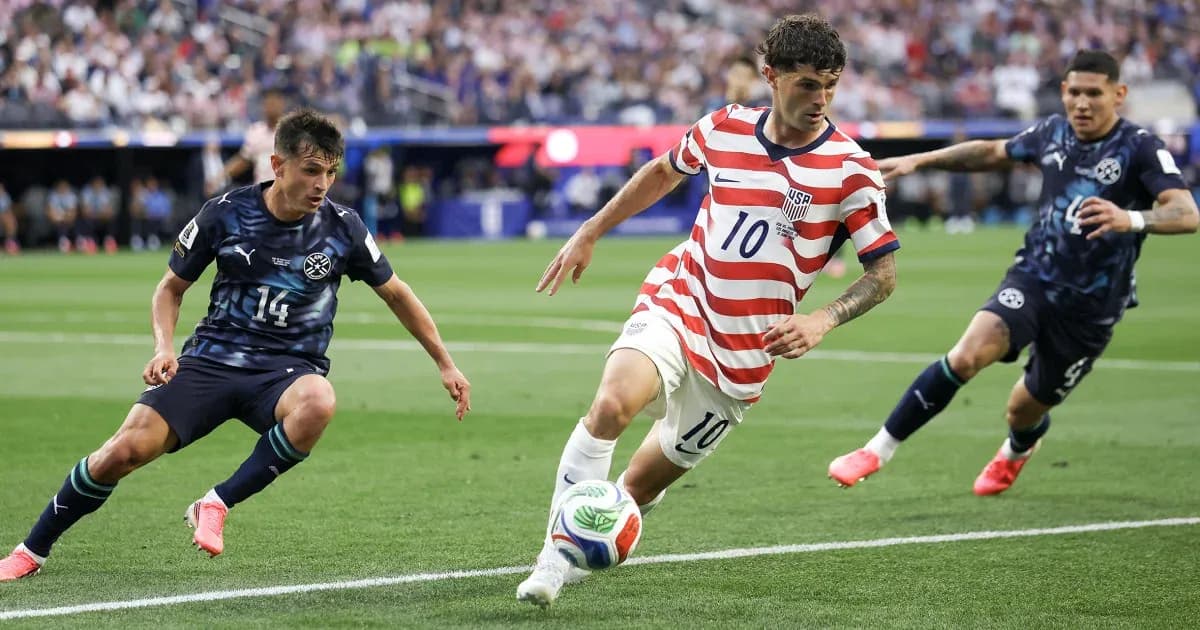
Fresh off a 4-1 dismantling of Paraguay — a result that matched the largest World Cup win in U.S. history — Mauricio Pochettino’s side walks into its second group-stage match against Australia with a chance to clinch a knockout-round place. The stakes are clear. So is the warning.
Seven months ago, these same teams met in what the calendar called a friendly and the players quickly decided was anything but.
Pochettino’s rant that stuck
That autumn night, the U.S. trudged into the dressing room at halftime locked in a 1-1 scrap with Australia. The game didn’t count in any standings. It counted for something else.
Pochettino, a year into the job, let his players have it.
“They come and they fight,” he barked, in a scene later shared by the team. “When are we going to fix that?”
Midfielder Sebastian Berhalter still feels the sting of that speech. The U.S. eventually ground out a 2-1 win, but the lesson has lingered longer than the scoreline.
“I think one is that we’re American, we don’t take s---,” Berhalter said this week. That edge, that refusal to be bullied, is what he says Pochettino has drilled into the squad day after day. The irony that the man setting that tone is Argentinian isn’t lost on anyone in the room.
“Look, this is what we do, and this is who we are, and this is what America is about,” is how Berhalter summed up his coach’s message.
The opponent hasn’t changed. The context has.
From statement win to character test
Seven months on, the U.S. arrives at this rematch in a very different mood. Paraguay were swept aside in a performance that felt like a release of years of promise and frustration.
Folarin Balogun scored twice, the first U.S. player to hit multiple goals in a World Cup game since 1930. The attack flowed, the press bit, and the result echoed across the tournament.
Pochettino’s reaction? Pride, yes — but not indulgence.
Striker Haji Wright described his manager as “proud” in the aftermath, yet the message inside the camp was blunt: one game does not make a campaign.
Australia’s 1-0 opening win means both sides enter Friday’s clash with three points and a simple equation. Win, and you’re through.
Tyler Adams, who has lived the highs and lows of this team’s recent journey, framed it as another step rather than a destination.
“There’s been moments throughout the process where things weren’t going amazing,” he said. “Now all of a sudden, some people consider [our play] amazing, whatever it is, but we’ve stayed completely humble in our approach to every single game and trusted the process of what we’re going through.”
The process now runs straight through one of the most awkward opponents in international football.
Australia: bruising, direct, dangerous
Australia arrive with their own tailwind after a 2-0 win over Turkey on Saturday, a result that underlined all the traits the U.S. remembers too well.
“They’re tough to break down, they’re dangerous on counterattacks, they have good players at the top of the pitch, and they were able to be effective and damage Turkey,” Wright said.
His takeaway from that match was as tactical as it was psychological.
“I think Turkey kind of came into the game a bit overconfident, and I think we won’t make that same mistake.”
That’s the trap Pochettino has been trying to spring-proof all week. The Paraguay win showcased what this American side can do with space and confidence. Australia will try to deny them both, turning the game into something closer to that bruising friendly than to the open, expressive football of the opener.
The question is whether this U.S. team can marry its new attacking swagger with the steel Pochettino demanded in that halftime rant.
Pulisic worry lingers in the background
Amid the optimism, one concern has refused to fade: Christian Pulisic.
The U.S. star was electric against Paraguay, his movement and passing carving open the defense and setting up the first two goals. Then he didn’t reappear for the second half.
Pochettino explained that Pulisic had picked up a minor injury in the days before the match and took another kick to his left leg in the first half. At the break, he couldn’t warm up properly. The decision was made.
Since then, Pulisic has trained away from the main group, Tim Weah revealed. His status for Friday remains deliberately vague.
“We’ll see,” was all Pochettino would offer on Thursday.
Weah did not hide his own feelings.
“I’m just praying to God that he feels 100% fit,” he said.
Adams, the captain, chose a different tone.
“Christian will be ready, everyone, let’s relax,” he said. “He’ll be fine.”
Whether that’s reassurance or resolve, the U.S. may need to prove it can handle a high-stakes World Cup game without its talisman at full throttle. Or at all.
A chance to prove what “American” really means
The U.S. has spent months absorbing Pochettino’s mantra about identity — about fight, about refusal, about what it means, in Berhalter’s words, to be “American” on a football pitch.
Against Paraguay, the football dazzled. Against Australia, the character will be dragged into the spotlight.
Seven months ago, the coach demanded his players match the Socceroos’ fight. On Friday, with a World Cup knockout place on the line, the same opponent offers a harsher examination.
Was that Paraguay win the start of something real, or just a bright opening act?