Sweden's Thrilling Comeback Against Japan in Group F Clash
Japan and Sweden spent 45 minutes feeling each other out. Passes went sideways, attacks broke down, the game drifted. Then the second half blew it wide open.
Daizen Maeda struck first in the 56th minute, finishing a crisp, incisive Japanese move that sliced through Sweden’s lines. It felt like the moment that might tilt Group F for good.
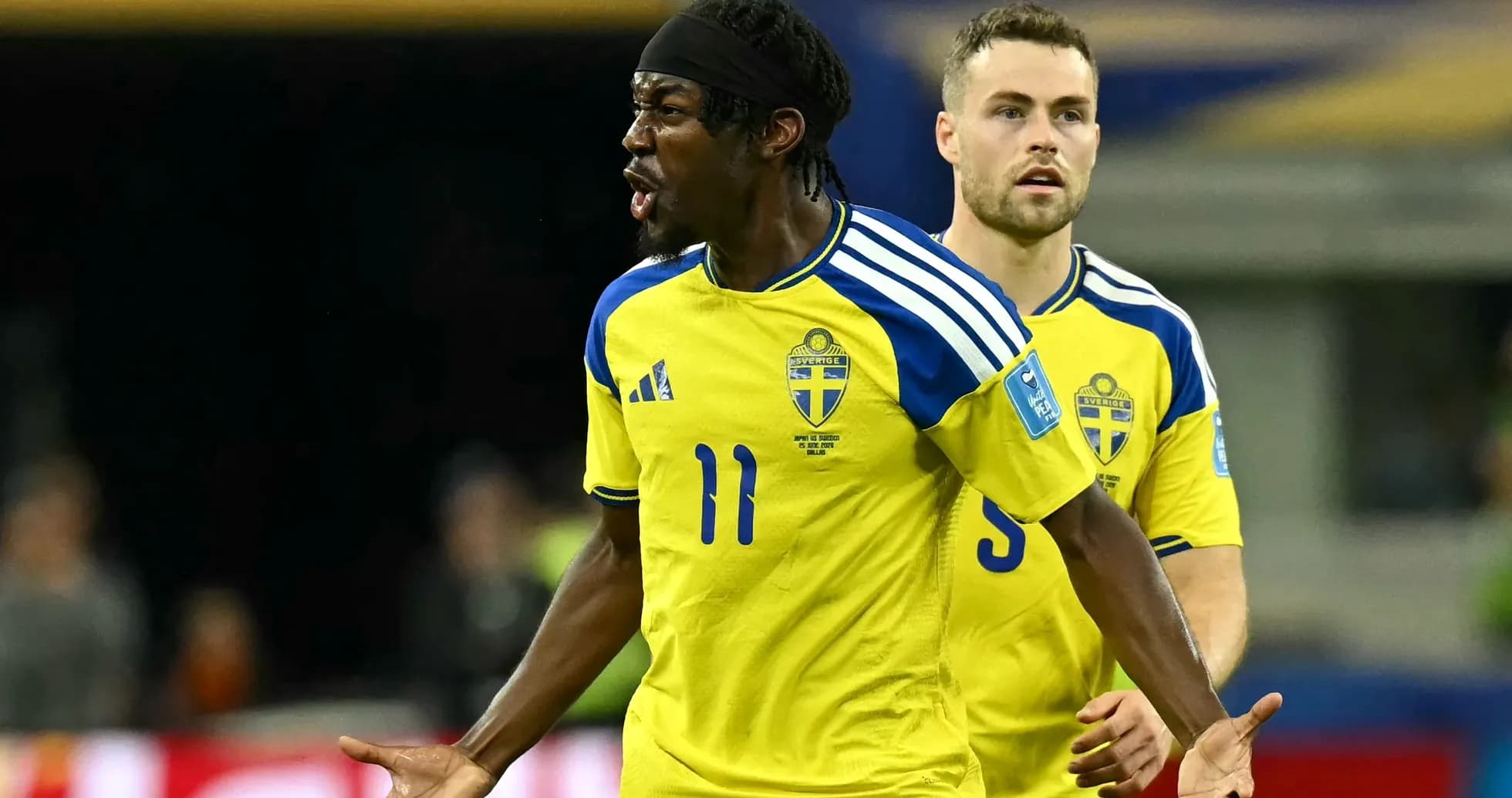
Anthony Elanga had other ideas.
Barely had Japan finished celebrating when the Newcastle United winger cut in from the right, opened his body and whipped a stunning left‑footed strike into the far corner. Supposed weaker foot, emphatic finish. His second goal of the tournament, and the one that dragged Sweden level and, as it turned out, into the knockouts.
From there, the match turned frantic. Japan probed, Sweden punched back on the counter. Nerves frayed, legs tightened, and the margins shrank to inches.
Alexander Isak came closest to ripping up the script. Late on, the Liverpool forward rose to meet a cross and powered a header beyond the goalkeeper, only to see it crash against the crossbar and bounce out. For a heartbeat, Sweden’s tournament seemed to hang on that piece of woodwork.
They survived. Just.
While the Swedish bench frantically did the maths on the touchline, Elanga was operating on a far simpler equation: score again.
"I was just screaming: 'Come on, we can go for more'. I’m glad we’re through, I didn’t know that at the end," he admitted afterwards. The 24‑year‑old was so locked into the chase for a winner that he simply tuned out the noise from the technical area.
"I think they were trying to scream to me," Elanga said. "I obviously wanted to keep running. I got cramp at the end but didn't want to stop running. I'm happy and the whole team is too."
Isak could only shake his head. He revealed he had given his teammate "a bit of a telling-off" once he realised Elanga had no idea Sweden were already in position to qualify as one of the best third‑placed teams. "He was a little frustrated towards the end of the match, and you can understand why now," the striker sighed.
Inside the camp, the episode drew more laughter than anger. Manager Graham Potter grinned as he reflected on the winger’s tunnel vision. "That explains a few things. We couldn't have been clearer... Bless him! But I love him," he said, half exasperated, half delighted with the relentless mentality.
Captain Victor Lindelof added his own gentle jab, joking that Elanga must have missed – or slept through – the pre‑match briefing on permutations. "He can't have been awake enough," the defender quipped.
Behind the humour sat a serious statement from Potter. Under pressure after a heavy defeat to the Netherlands, he rang the changes for this decisive fixture. Elanga came into the starting XI. Jacob Widell Zetterstrom took the gloves.
The gamble paid off.
"We analysed the game against the Netherlands. We had to defend the box and wide areas better [today]. We decided to use Jacob's attributes because I think he's a fantastic goalkeeper. His distribution was very impressive. Anthony comes in and offers a counter-attack threat and his pace is destabilising for the opponent," Potter explained.
Sweden looked sturdier, sharper, more purposeful. Four points from three games and a neutral goal difference might not scream dominance, but in tournament football it often signals something just as valuable: a team settling into itself at the right time.
The table delivered a small blessing as well. Third place in Group F means Sweden avoid a direct collision course with Brazil, who now face Japan. The reprieve is relative. Waiting down the line is likely the winner of Group I, with the fixture pencilled in for June 30 and the outcome of France vs Norway set to shape the bracket. Germany, winners of Group E, also loom as a possible opponent.
Elanga, unsurprisingly, is not blinking.
"Both are good teams. It will be a challenge. All teams are good, but we are ready for what comes," he insisted, sounding more excited than daunted.
Sweden leave the group stage behind the Netherlands and Japan, but not broken, not drifting. They leave with a point earned under pressure, a key forward in form, and a manager whose bold calls have just been vindicated.
The margins will only get finer from here. The question now is whether this blend of resilience, raw pace and a little tactical daring can carry the Blue and Yellow any deeper into the tournament.