Robbie Keane's Controversial Candidacy for Celtic Manager
Robbie Keane’s return to Celtic, once a romantic notion built on goals and nostalgia, has turned into one of the most politically charged managerial sagas the club has faced in years.
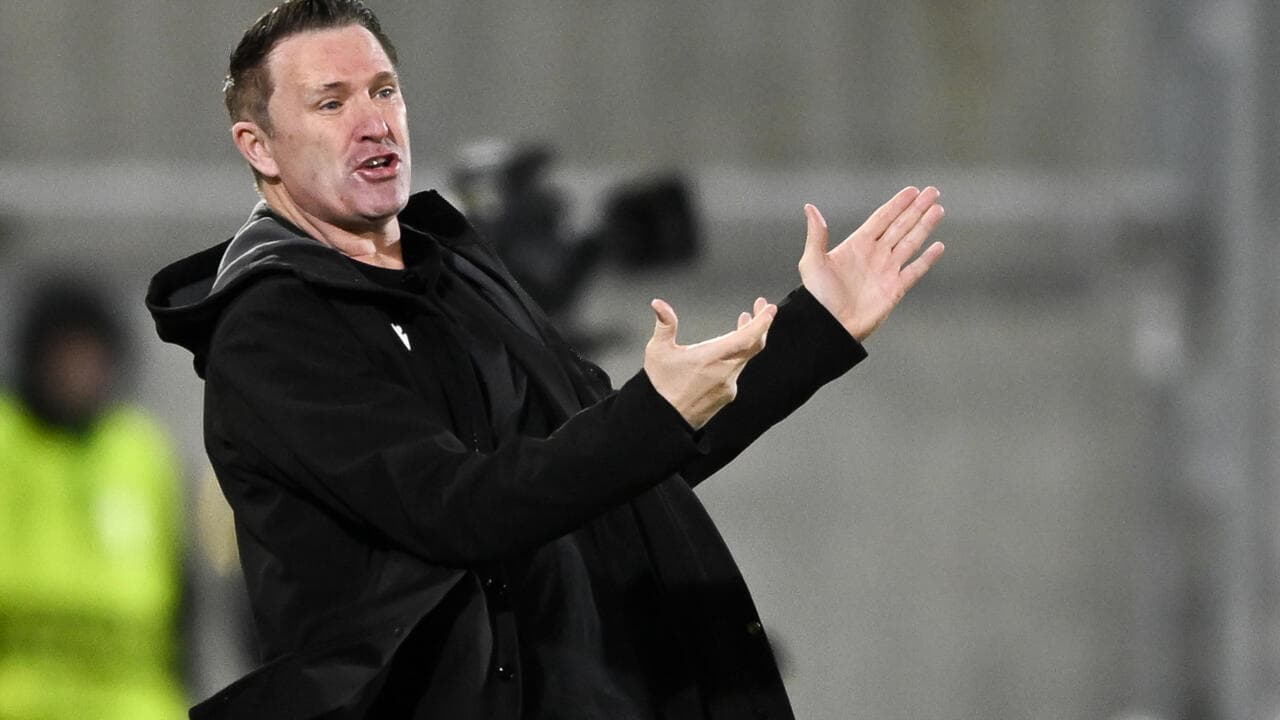
The former Ireland captain is the leading contender to take over the Scottish champions after reportedly entering talks with principal shareholder Dermot Desmond. On paper, it makes sense: a club legend from his prolific loan spell in 2010, a high-profile name, a recent league-and-cup double winner with Maccabi Tel Aviv, and now in work at Ferencvaros.
But this is not just about football.
A club’s identity collides with a candidate’s past
Keane’s decision to remain in Israel with Maccabi Tel Aviv after the outbreak of the conflict in Gaza has ignited a backlash that cuts straight to the heart of Celtic’s self-image.
For months, Palestinian flags have been a familiar sight at Celtic Park, draped from the stands and waved defiantly as part of a long-standing tradition of political expression among sections of the support. Now, the opposition has moved from the terraces to the stadium gates.
Graffiti and banners have appeared outside Celtic’s ground in Glasgow, explicitly rejecting the idea of Keane as manager. The message is blunt: this appointment would not be universally welcomed.
A statement from a group calling itself “Celtic Fans for the Liberation of Palestine” described the prospect of hiring Keane as “deeply divisive among the support”. The wording is unflinching and rooted in the club’s sense of history.
“Celtic supporters have a long and proud history of solidarity with the Palestinian people,” the statement read. For these fans, Keane’s time in Israel is not a footnote; it is the central issue. “For us, Robbie Keane’s decision to manage Maccabi Tel Aviv during the genocide in Gaza is impossible to ignore.”
The statement goes further, painting a stark picture of moral conflict: “To choose to manage a club in Israel while, less than 40 miles away, the same country was using indiscriminate weapons of mass murder against defenceless people is unconscionable.”
This is not just a disagreement over tactics or transfer policy. It is a clash over ethics, identity and what Celtic, as a club, should stand for.
History, politics and the weight of the shirt
Celtic’s origins are never far from the conversation when politics enters the frame. The fan statement leans heavily on that heritage.
“Celtic was founded by a community shaped by the legacy of genocide, displacement and famine. Our club’s roots lie in solidarity with those who suffered injustice and oppression.”
For many supporters, this is not rhetoric. It is the lens through which they view the modern club. That is why a managerial appointment that might, elsewhere, be judged purely on football terms is being dragged into a much wider moral debate.
The ‘North Curve Celtic’ account on X, representing one of the most vocal and visible sections of the support, has published a list of 67 groups that have endorsed the statement. That number matters. It signals organisation, not just noise.
The plea to the board is direct: “We urge the Celtic board to listen to supporters’ concerns and reconsider this appointment.”
Keane’s record and his defence
Strip away the politics and Keane’s coaching record in Israel is impressive. Appointed by Maccabi Tel Aviv in June 2023, months before the Hamas-led attacks on 7 October and the subsequent bombardment of Gaza, he guided the club to a league and cup double. On the pitch, he delivered.
He resigned in 2024 and moved on to Hungarian side Ferencvaros in 2025, continuing to build a CV that, in purely football terms, explains why a club of Celtic’s stature would be interested.
Keane has spoken about why he stayed in Israel for the full campaign. For him, it was a question of responsibility to the staff who had followed him.
“I have a duty of care,” he said. “My analyst, for example, was at Middlesbrough for 12 years. For him to come with me to Israel and then for me to just walk away, leaving him and his family.”
That explanation may resonate in some quarters as a manager standing by his people in a difficult environment. For others, it will not soften the central criticism: that he chose to remain in a job in Israel during a period of intense and deadly conflict in Gaza.
The divide is clear. The question for Celtic is whether they are willing to walk straight into it.
A title won, a decision looming
All of this plays out against a backdrop of success on the pitch. Interim boss Martin O’Neill, 74, stepped in and steered Celtic to the Scottish Premiership title on the final day of the season, then added the Scottish Cup for good measure.
He has steadied the club, delivered trophies and bought the board time. That time is now almost up.
Celtic need a permanent manager who can carry a champion’s burden, navigate domestic expectation and compete in Europe. Normally, that would be the story: who best fits the tactical profile, who can refresh the squad, who can build on O’Neill’s work.
Instead, the debate has shifted. Keane’s candidacy has become a test of how much weight the club gives to its politically engaged support and to the values those fans believe the badge represents.
Appoint him, and Celtic gain a high-profile, ambitious coach with recent success on his record – but they risk a visible, organised backlash from within their own stands. Turn away from him, and they sidestep a storm but raise fresh questions about how far supporter pressure shapes decisions at the top of the club.
For a team that has just reclaimed its domestic throne, the next move will say as much about Celtic’s soul as it does about their football.