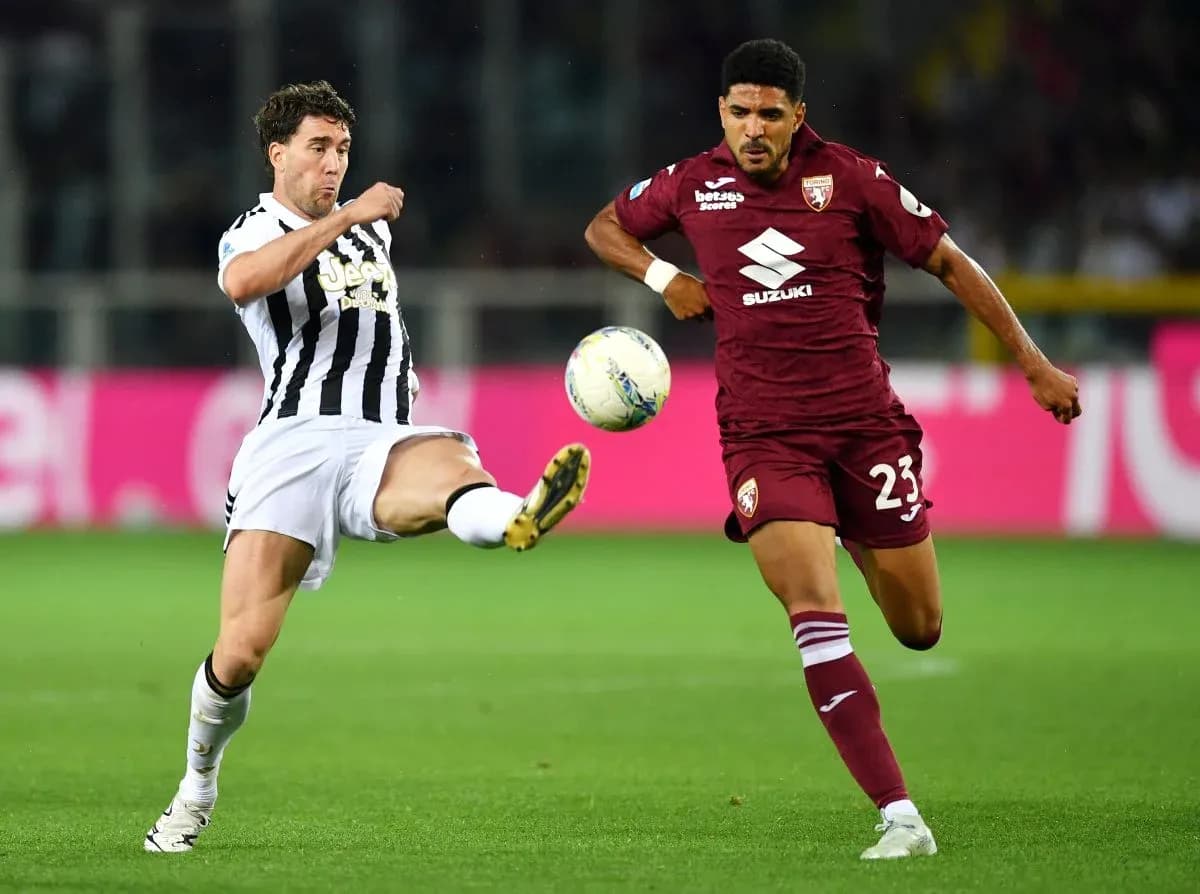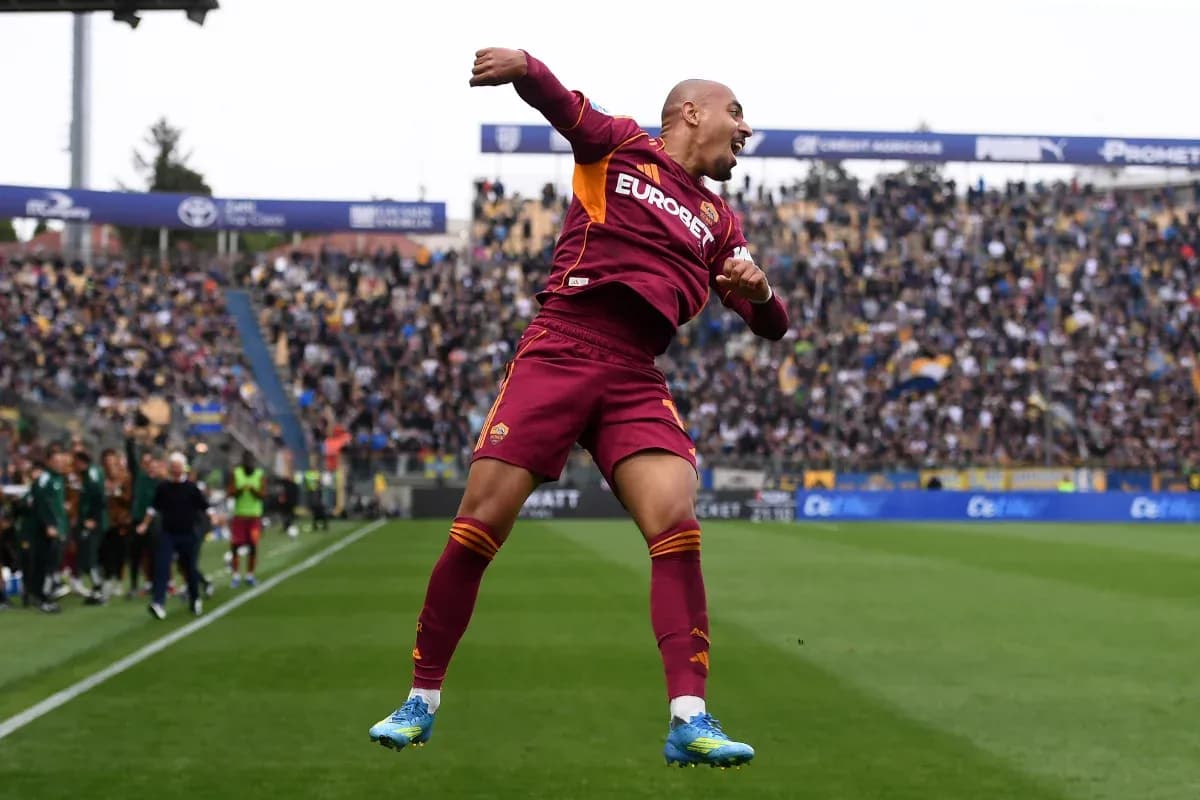
Parma vs AS Roma: A Clash of Seasons in Serie A
The late afternoon light at Stadio Ennio Tardini had barely begun to soften when Parma and AS Roma walked out into a contest that felt like two different seasons colliding. One, Parma’s, has been a grind of survival and incremental growth; the other, Roma’s, a push towards Europe with a sharper, more ruthless edge. By full time, a 3–2 away win for Roma had underlined the gap in cutting edge, even as Parma showed why they have been so awkward to put away this season.
Heading into this game, the table told a clear story. Parma sat 13th in Serie A with 42 points from 36 matches, their overall goal difference at -18, the product of 27 goals scored and 45 conceded. Roma arrived in Parma as a top-five side, 5th with 67 points, and a far healthier overall goal difference of +24, built on 55 goals for and 31 against. It was a meeting of one of the league’s most efficient attacks with a team whose season has been defined by narrow margins and structural resilience rather than firepower.
The tactical shapes reflected those identities. Carlos Cuesta trusted his most-used blueprint, a 3-5-2 that has been Parma’s primary formation across 17 league matches. Z. Suzuki anchored a back three of A. Circati, M. Troilo and L. Valenti, with a busy five-man midfield of E. Valeri and E. Delprato as wing-backs and a central trio of C. Ordonez, H. Nicolussi Caviglia and M. Keita. Up front, G. Strefezza and N. Elphege formed a mobile, hard-working pairing rather than a classic penalty-box target.
Across from them, Piero Gasperini Gian leaned into Roma’s season-long identity: a 3-4-2-1 that has started 28 times in Serie A. M. Svilar stood behind a back three of G. Mancini, E. Ndicka and M. Hermoso. Z. Celik and Wesley Franca worked the flanks, with B. Cristante and M. Kone patrolling the central lane. Ahead of them, M. Soule and P. Dybala floated between the lines behind lone striker D. Malen, one of the league’s deadliest finishers.
The absences on both sides shaped the tone of the contest. Parma were without A. Bernabe, B. Cremaschi, M. Frigan and G. Oristanio, all listed as missing through muscle or knee injuries. Bernabe’s creativity and Oristanio’s attacking spark were notable losses for a side that has struggled to score, averaging only 0.8 goals per game overall, with 0.8 at home and 0.7 on their travels. Without them, Parma leaned more heavily on structure, wing-back width and the vertical running of Strefezza and Elphege.
Roma’s casualty list was just as high-profile: A. Dovbyk, E. Ferguson, L. Pellegrini and B. Zaragoza all out. Deprived of an alternative central striker and a key creative midfielder, Roma doubled down on the chemistry between Dybala, Soule and Malen. It was a bet on quality in tight spaces rather than sheer depth.
Discipline has been a season-long subplot for both clubs, and it hung over the fixture even if the card details for this match are not listed. Parma’s campaign has been littered with late bookings: 21.88% of their yellow cards have arrived between 46–60 minutes, and another 21.88% in the 76–90 window, with a further 14.06% from 91–105. Red cards have also punctuated their story, with 40.00% of dismissals coming in the 31–45 range and further reds late on. Roma, meanwhile, have spread their yellows across the second half, with 23.08% in each of the 46–60, 61–75 and 76–90 windows, and two red cards this season split evenly between 46–60 and 61–75.
Those patterns framed the “Hunter vs Shield” battle at the heart of the night: D. Malen against a Parma defence that has conceded 45 goals overall, an average of 1.3 per game (1.4 at home, 1.1 on their travels). Malen came into the fixture with 13 league goals and 2 assists in 16 appearances, converting 28 shots on target from 45 attempts and scoring 3 penalties from 3. His duel numbers — 128 contested, 43 won — underline a forward who relishes physical contact and can pin centre-backs.
Facing him, Parma’s back three carried both steel and scars. M. Troilo, one of the league’s leading red-card recipients, has walked the line all season. Across 19 appearances he has blocked 15 shots and made 15 interceptions, with 23 tackles and an impressive passing accuracy of 89% from 773 passes, but his disciplinary record — 7 yellows, 1 yellow-red, 1 straight red — hints at how fine the margin is when he steps out to engage a striker like Malen. The plan was clear: compress space in front of the box, trust Troilo and Valenti to contest aerial and physical duels, and rely on Suzuki behind them.
In the “Engine Room” duel, Roma had the edge in subtlety. M. Soule, one of Serie A’s top assist providers, arrived with 5 assists and 6 goals from 31 appearances, supported by 43 key passes and 948 total passes at 84% accuracy. His role between the lines, drifting into half-spaces, was designed to test Parma’s central trio. H. Nicolussi Caviglia and M. Keita were tasked with shuttling out to meet him while still protecting the lanes into Dybala and Malen. Any lapse in concentration risked Roma slicing through a side that has already failed to score in 15 matches overall, making every concession feel heavier.
From a structural standpoint, Parma’s season-long numbers tell the story of a team that lives on the edge but rarely collapses. Overall they have 10 wins, 12 draws and 14 defeats from 36 matches, with 12 clean sheets — remarkably, 8 of those on their travels and 4 at home. At Stadio Ennio Tardini they have won only 4 of 18, drawing 6 and losing 8, scoring 15 and conceding 25. Roma, by contrast, have been one of the league’s most balanced outfits: 21 wins, 4 draws and 11 defeats overall, with 31 home goals and 24 on their travels. Away from home they have 9 wins, 1 draw and 8 losses, scoring 24 and conceding 21 — a slightly looser, more open version of their home selves.
Following this result, the 3–2 scoreline felt almost like a statistical condensation of the two campaigns. Roma’s attack, averaging 1.5 goals per game overall (1.7 at home, 1.3 on their travels), once again punched at or above its weight, with Malen and the creative battery behind him finding enough moments to break through. Parma’s 2 goals at home were an overperformance against their usual 0.8 home average, a testament to the spirit of a side that has learned to suffer and still threaten.
In xG terms, Roma’s season profile — 55 goals from a strong attacking structure and 16 clean sheets — suggests a team that tends to generate and convert more high-quality chances than their opponents, particularly when their front three are fit. Parma, with 27 goals and a negative goal difference of -18, have lived on low-margin games, their defensive shape often keeping them competitive even when the numbers tilt against them.
The tactical verdict is that this match unfolded almost exactly along those pre-drawn lines. Parma’s 3-5-2 gave them bodies in midfield and resilience in the back line, but without their missing creative pieces, they relied on moments rather than sustained pressure. Roma’s 3-4-2-1, drilled across most of the season, allowed them to manage phases, absorb pressure when necessary, and strike through the quality of Malen, Soule and Dybala. In a league table defined by fine distinctions, this was a night where the side with the sharper tools in the final third turned structural superiority into three points, even as Parma showed why, structurally and emotionally, they belong in this division.