Manchester City Target Elliot Anderson for Record Transfer
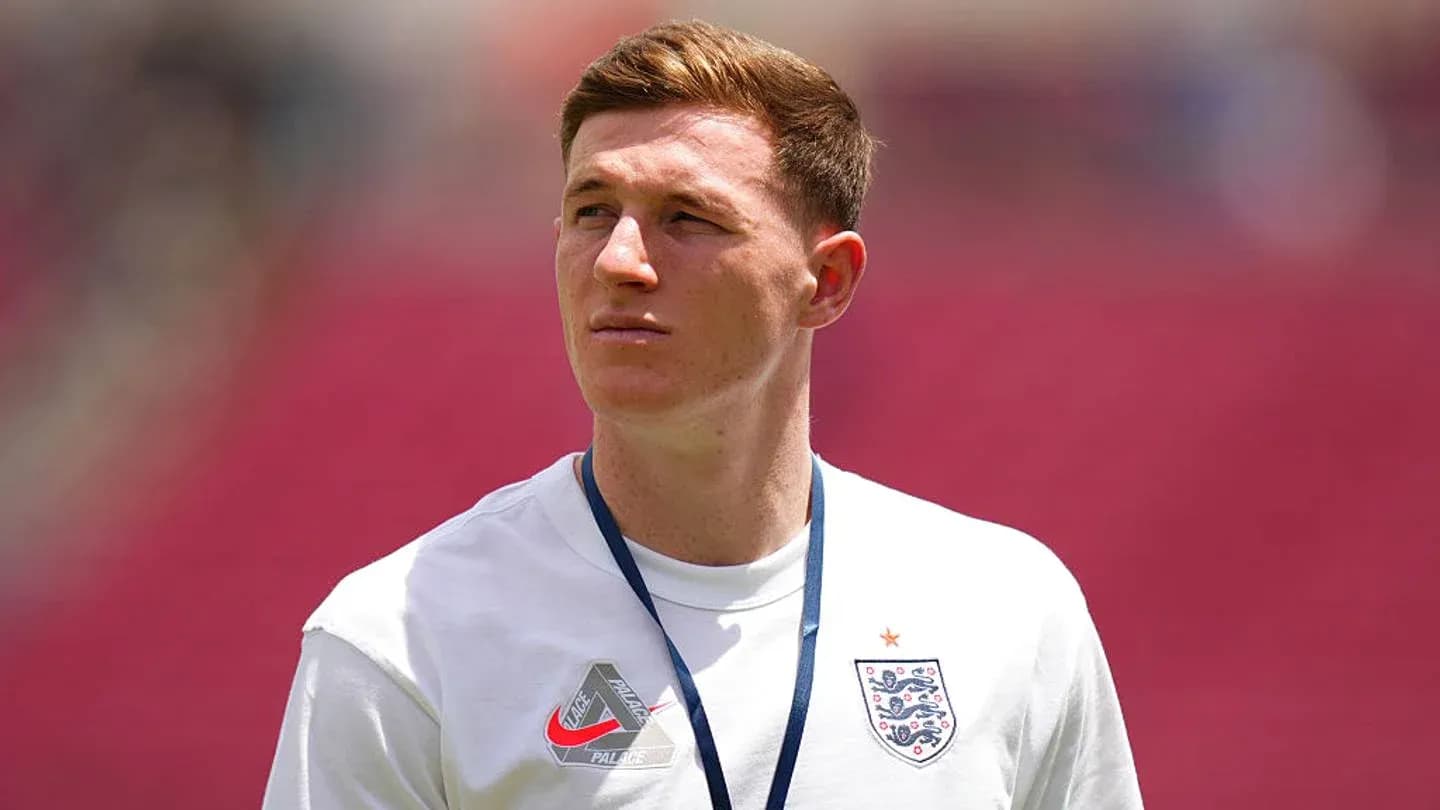
Manchester City are testing the limits of English football’s transfer economy again, and this time the spotlight is fixed on Elliot Anderson.
The Premier League champions have moved to make the Nottingham Forest midfielder the most expensive English player in history, tabling an offer that underlines both their financial muscle and their belief that Anderson can anchor the post-Pep Guardiola era.
City Push to Smash English Record
According to Fabrizio Romano and David Ornstein, City have put forward a proposal worth $141.7 million (£106 million) guaranteed, with performance-related add-ons taking the package beyond $160.4 million (£120 million).
Even the fixed fee edges past Arsenal’s 2023 deal for Declan Rice, the current benchmark for an English player. Yet Forest are unmoved. For now.
At the City Ground, they are pointing to a different yardstick: Alexander Isak’s 2025 move from Newcastle United to Liverpool. That deal came in at $167.1 million guaranteed, with only minor add-ons attached. Ornstein reports Forest see that as the true marker for an elite Premier League sale.
To them, Anderson belongs in that bracket. Anything less than Isak money, and they are prepared to walk away.
Forest Hold the Power
Forest can afford to be stubborn. Anderson is tied down for another three years, nowhere near free agency, and his trajectory is steeply upward.
The 23-year-old’s 2025–26 campaign changed his status entirely. He didn’t just impress; he imposed himself. Week after week, he ran games from midfield, forced his way into the England squad, and made it all the way to the 2026 World Cup. His standout displays against both Manchester clubs did not go unnoticed in either half of the city.
That is why Manchester United are hovering too, monitoring a saga that currently has blue tint all over it.
Forest’s stance is simple: they do not want to sell, but they will if the numbers become impossible to refuse. If no club reaches their valuation, they keep a midfielder who has become their on-pitch reference point. If someone does, they bank a fee that would reset the Premier League market and transform their ability to reinvest.
Either outcome has its own kind of logic. That is why Forest can negotiate without flinching.
A Price Shaped by Precedent
This is not a fee plucked out of thin air. The modern transfer market is built on precedent, and Anderson’s valuation is being framed by what others have cost.
Isak’s transfer is the clearest comparison for Forest’s hierarchy, even if the profiles differ. The Swedish striker arrived at Liverpool for that $167.1 million guaranteed sum, only for his first season to unravel through fitness problems, a broken leg, and more injury frustration after his return. His case is a reminder that paying at the very top of the market comes with risk, regardless of position.
Yet when you look at what elite Premier League midfielders have gone for, Forest’s stance starts to feel less outlandish. Rice to Arsenal. Enzo Fernández to Chelsea. Moisés Caicedo following him to Stamford Bridge after Liverpool had a similar offer accepted. All three deals landed in 2023, and since then the game’s financial landscape has only inflated further.
Clubs have simply moved the goalposts. What sounded wild three years ago now passes as the going rate for a midfielder who can define a team’s structure for the next decade.
Forest know this history well. Back in 1993, they sent Roy Keane to Manchester United for a British record fee of £3.75 million, with Blackburn Rovers having bid even more in an attempt to get him. Thirty years on, the numbers have exploded, but the principle is the same: if you have something others desperately want, you set the price and wait.
Why City Are Willing to Go This High
So why are City prepared to live in this financial stratosphere again?
Because they see Anderson as a long-term pillar, not a short-term splash.
He turns 24 in November. If he hits at the Etihad in the way the club’s recruitment department believes he can, they are buying not just a player for today, but the heartbeat of their midfield well into the 2030s.
This is how City have justified big outlays throughout their modern era. David Silva, Yaya Touré, Sergio Agüero, Kevin De Bruyne, John Stones, Bernardo Silva — many of their most expensive signings stayed for nine or ten seasons, delivered titles, and made their initial fees look cheap in hindsight.
The same calculation is at work here. What feels like eye-watering money in 2026 may be standard practice by 2030. Spread over a decade, the best part of $170 million begins to resemble value, not excess, if Anderson becomes the next name on that list of long-serving cornerstones.
Of course, that is the gamble. City’s track record in the market is strong, but not flawless. Committing a Premier League-record fee to a player who has only just broken into the very top tier of midfielders carries obvious risk.
Still, the champions rarely move this aggressively without conviction. Forest know it. United know it. The rest of Europe is watching.
Now the question is simple: does anyone blink, or does Elliot Anderson become the deal that drags the entire market into a new era?