Luis Joins Monaco: The Left-Back Turned Elite Coach
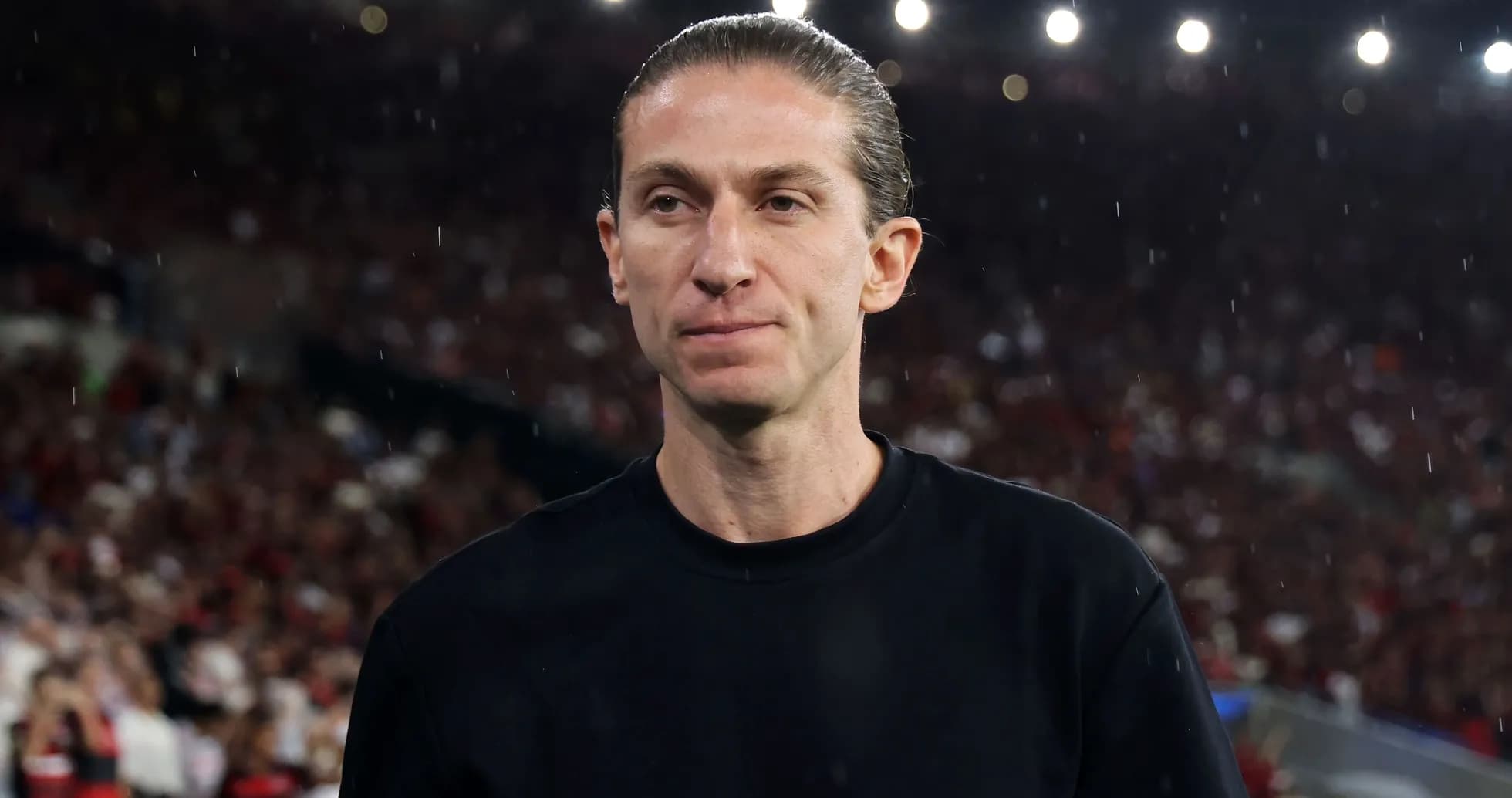
The coaching carousel has taken a sharp, unexpected turn. Luis, the former Brazil international and one of the most coveted young managers in world football, is heading not to Germany, England or Portugal, but to the Côte d’Azur.
Monaco have won the race.
Fabrizio Romano reports that Luis is set to replace Sebastien Pocognoli at Stade Louis II, ending an eight‑month spell for the outgoing coach and opening what the club believes will be a new era. The decision slices across the plans of several European heavyweights and underlines just how aggressively Monaco intend to move back among the continent’s elite.
Leverkusen left empty-handed
The blow lands hardest in Germany. Bayer Leverkusen, fresh from a historic period in the Bundesliga, had earmarked Luis as the man to drive their next cycle from the dugout. They wanted a fresh tactical brain with elite playing experience, someone who understood both the demands of the dressing room and the nuances of high-level European competition.
They thought they had found it in the former left-back. Instead, they watch him walk into Ligue 1.
Leverkusen were not alone in their frustration. Luis’ name had been floated around Stamford Bridge for a dramatic Chelsea return and linked with Benfica, a club that rarely loses a tug-of-war for top coaching talent. For both, the attraction was obvious: a modern thinker, forged in South America’s pressure cooker, with a Champions League‑level playing CV.
Yet the decisive pitch came from the Principality.
Scuro’s quiet coup
Behind the scenes, Monaco sporting director Thiago Scuro went to work. No noise, no public courting, no leaks. Just a focused pursuit.
Scuro is understood to have driven the negotiations personally, moving quickly before Leverkusen, Chelsea or Benfica could turn interest into formal offers. The connection between the two Brazilians proved crucial. Trust mattered. So did the promise of control and time.
Monaco have backed that belief with a long contract, tying Luis down until June 2028. That length is not window dressing. It signals a club willing to hand a 40‑year‑old coach the space to build, to make mistakes, to imprint a footballing identity in one of Europe’s most unforgiving environments.
For a manager on a steep upward curve, that kind of stability is rare. And powerful.
From Rio to the Riviera
Luis arrives in Europe’s top tier off the back of a blistering spell at Flamengo, where he took charge in 2024 and stayed until March 2026. In Rio de Janeiro, he did far more than simply keep a giant on course.
He dominated.
Under his guidance, Flamengo captured a league title and lifted the Copa Libertadores in 2025, South America’s most coveted prize. Those trophies did more than fill a cabinet. They showcased a coach capable of managing expectation, handling stars and outmanoeuvring rivals under intense scrutiny.
That run pushed his name into every serious recruitment meeting across Europe. A move to a major league stopped being a question of “if” and became “when” and “where.”
Now we know.
A player who already knew the summit
Luis does not walk into Monaco as an unknown quantity. As a player, he lived at the top of the game. He won the Premier League with Chelsea. He collected silverware with Atletico. He faced the best wingers on the planet and often came out on top.
That history matters. It gives him instant credibility in a dressing room that expects to compete, not just participate. Players listen differently to someone who has already climbed the mountain they are trying to scale.
Monaco are betting that this blend — a decorated defender’s perspective and a young coach’s tactical sharpness — is exactly what they need to turn promise into something more concrete.
Luis, for his part, has chosen the Riviera over the Bundesliga, the Premier League and the Estádio da Luz. It is a bold call. It is also a clear one.
Now comes the real test: can he turn Monaco’s vision, and Scuro’s quiet gamble, into a team that unsettles Europe’s established order?