Liverpool and Chelsea Share Points in Tense Anfield Clash
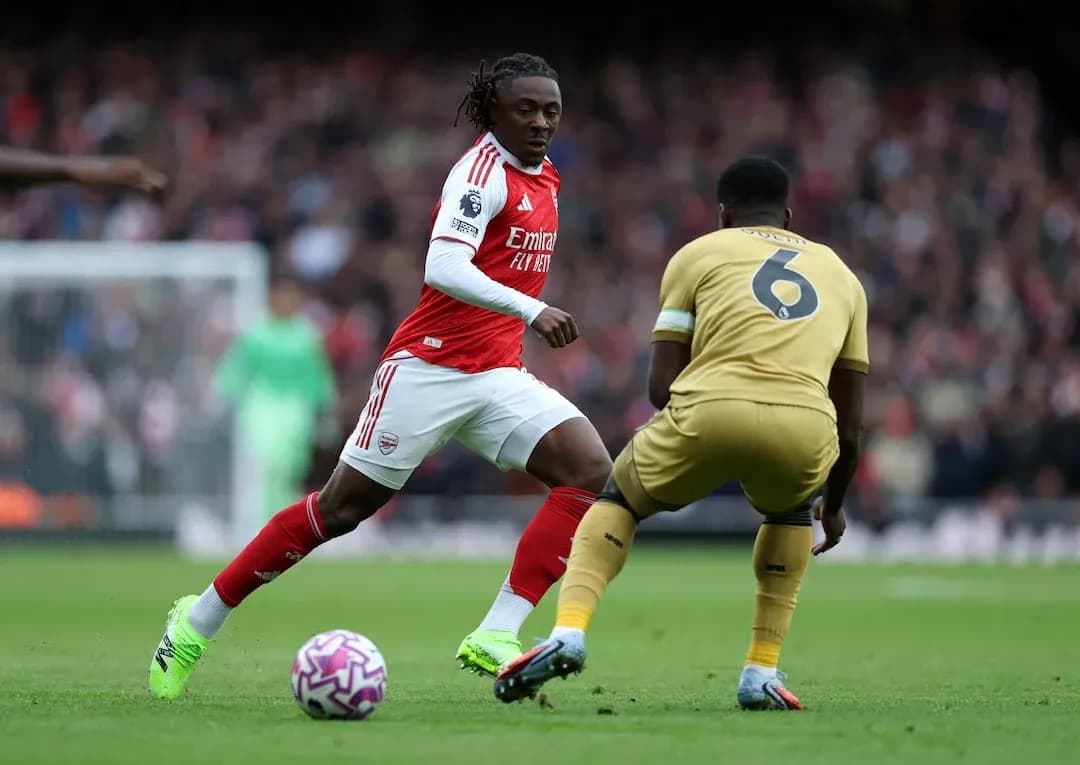
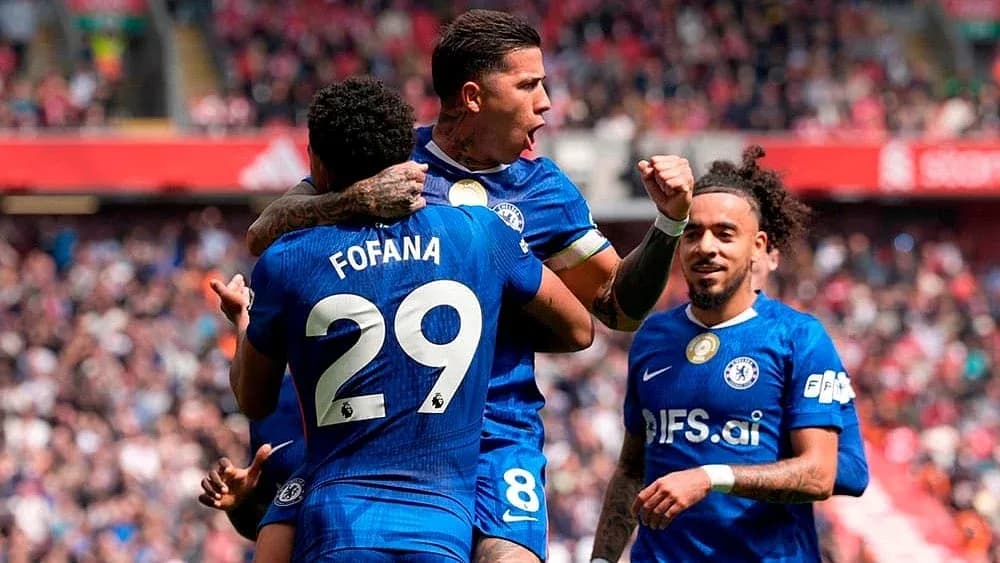
Anfield under grey Merseyside skies staged a meeting of two wounded heavyweights, and the 1-1 draw between Liverpool and Chelsea felt exactly like that: tense, tactical, and tinged with what-might-have-been for both. Following this result, Liverpool remain in 4th on 59 points with a goal difference of 12 (60 scored, 48 conceded), while Chelsea’s point keeps them 9th on 49 points with a goal difference of 6 (55 scored, 49 conceded). It was a clash shaped as much by who was missing as by who took the field.
I. The Big Picture – Two Identities in Flux
Liverpool’s season-long profile is clear. Overall they have 17 wins, 8 draws and 11 defeats from 36 league games, scoring 60 and conceding 48. At Anfield they have been stronger: 10 wins, 5 draws and 3 losses from 18, with 33 goals for and 19 against, averaging 1.8 goals scored and 1.1 conceded at home. That home edge framed expectations even before kick-off.
Chelsea arrived with a more chaotic season behind them. Overall, 13 wins, 10 draws and 13 defeats from 36, with 55 goals for and 49 against. On their travels they have been slightly more dangerous going forward than at Stamford Bridge, scoring 31 away goals at an average of 1.7 per game, while conceding 25 away at 1.4 per match. They came into Anfield on a miserable form line of “DLLLL”, a run that has eroded confidence but not completely blunted their attacking threat.
The 1-1 scoreline mirrored both teams’ statistical DNA: Liverpool’s tendency to create and concede in almost equal measure, Chelsea’s knack for staying in games away from home.
II. Tactical Voids – Absences and Discipline
This fixture was heavily defined by absentees. Liverpool were without Alisson, S. Bajcetic, C. Bradley, H. Ekitike, W. Endo, G. Leoni, M. Salah and F. Wirtz. That list strips out the first-choice goalkeeper, a key destroyer in midfield, depth at right-back, and, crucially, their leading creative and scoring reference in Salah.
In response, Arne Slot entrusted the gloves to Giorgi Mamardashvili and leaned on a back line of Curtis Jones, Ibrahima Konaté, Virgil van Dijk and Miloš Kerkez. The midfield band of Ryan Gravenberch, Alexis Mac Allister, Jeremie Frimpong, Dominik Szoboszlai and Rio Ngumoha sat behind Cody Gakpo as the central spear. It was a side with technical quality and vertical running, but missing the ruthless penalty-box presence and gravity Salah and Ekitike usually provide.
Chelsea’s absences were different in flavour. J. Derry, A. Garnacho, J. Gittens, P. Neto and R. Sanchez were all out, while one unnamed player was sidelined with a hamstring issue and M. Mudryk was suspended. That meant Calum McFarlane had to reconfigure his attacking rotation and goalkeeping hierarchy, turning to Filip Jørgensen in goal and leaning even more heavily on João Pedro and Cole Palmer as creative scorers.
Discipline-wise, both squads carried warning signs into the game. Across the season, Liverpool’s yellow-card distribution spikes late: 31.48% of their cautions arrive between 76-90 minutes, another 16.67% between 91-105. Chelsea mirror that late-game volatility, with 23.60% of their yellows between 76-90 and 21.35% between 61-75. It is no surprise that the second half at Anfield felt increasingly ragged, with both midfields stretching and tackles arriving a fraction late as legs tired.
Red cards also lurk in the profiles of key figures. Dominik Szoboszlai has 8 yellows and 1 red this league season; Moisés Caicedo has 11 yellows and 1 red; Marc Cucurella, Robert Sánchez and Trevoh Chalobah each have a red to their name. Even without Sánchez on the pitch, Chelsea’s defensive unit is populated by players accustomed to walking a disciplinary tightrope.
III. Key Matchups – Hunter vs Shield, Engine Room vs Enforcer
The headline “Hunter vs Shield” duel was João Pedro against Liverpool’s back four. In total this campaign, João Pedro has 15 league goals and 5 assists, with 50 shots and 28 on target. He is not just a finisher but a volume shooter and dribbler (71 attempts, 37 successful), thriving in the half-spaces. Against a Liverpool defence that has conceded 48 overall – 19 of those at home – his movement between Konaté and van Dijk was always going to be decisive.
Van Dijk and Konaté, in turn, were tasked with compressing the central lane while trusting Kerkez and Jones to handle wide overloads from Palmer, Cucurella and Malo Gusto. Chelsea’s away scoring average of 1.7 hinted they would not be easily silenced, and the 1-1 outcome underlined that balance of threat and resistance.
In the “Engine Room” duel, Szoboszlai and Mac Allister faced Caicedo and Enzo Fernández. Szoboszlai’s season numbers (6 goals, 5 assists, 2090 passes at 87% accuracy, 68 key passes, plus 52 tackles and 8 blocked shots) mark him as Liverpool’s tempo-setter and chief line-breaker. Enzo, with 9 goals, 3 assists and 65 key passes from 1936 total passes at 86% accuracy, offers Chelsea a similar blend of progression and end-product.
Caicedo, though, is the pure enforcer: 87 tackles, 14 blocked shots and 56 interceptions, but also 51 fouls committed and those 11 yellows. His job at Anfield was to step into Szoboszlai’s zones early, disrupt the Hungarian’s rhythm and protect the central lanes where Gakpo likes to drop and combine. The contest was attritional rather than spectacular, but it largely succeeded in preventing either midfield from fully dictating.
Out wide and between the lines, Palmer’s creative freedom – backed by his season-long productivity – asked constant questions of Liverpool’s structure, while Frimpong and Ngumoha offered direct running but lacked the incision of a Salah-type figure. From the bench, Alexander Isak and Federico Chiesa gave Liverpool theoretical firepower, while Chelsea could turn to Reece James, Trevoh Chalobah and Liam Delap to adjust either side’s balance, though the final score suggests neither bench decisively tilted the game.
IV. Statistical Prognosis – xG, Margins and What This Draw Tells Us
There is no explicit xG data in the snapshot, but the underlying season numbers sketch the likely pattern. Liverpool at home average 1.8 goals for and 1.1 against; Chelsea away average 1.7 for and 1.4 against. A 1-1 draw sits slightly under that combined attacking expectation, hinting that either finishing underperformed or both goalkeepers – Mamardashvili and Jørgensen – delivered key interventions.
Liverpool’s overall goal difference of 12 (60 scored, 48 conceded) and Chelsea’s 6 (55 scored, 49 conceded) underline how slim the margins are between these sides in 2025-26. Both are capable of scoring in bursts but remain vulnerable to lapses, particularly late in games where their yellow-card surges betray fatigue and risk-taking.
Following this result, the tactical story is of two teams still searching for a ruthless edge. Liverpool, stripped of Salah and Ekitike, leaned on structure and volume but lacked a killer in the box. Chelsea, with João Pedro as their spearhead and a midfield of high technical quality, once again showed they can live with top-four opposition on their travels – but not yet consistently beat them.
The draw at Anfield felt like a fair reflection of the squads as they stand: rich in talent, constrained by absences, and living on the fine line between control and chaos that has defined their seasons.