Harry Kane and England's World Cup Heartbreak: A Familiar Pattern
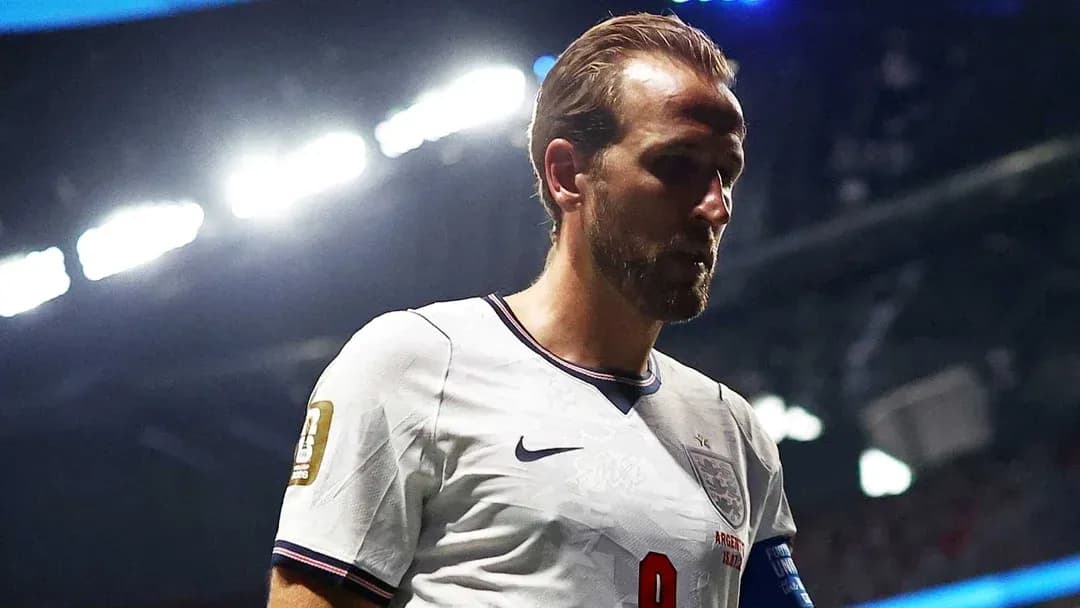
Harry Kane stared into the void long after the final whistle. The captain who has carried England for a decade suddenly looked like a man drained of colour, a striker left with nothing but the weight of another World Cup semifinal slipping away.
Argentina 2, England 1. A lead lost, a dream torn up.
On X, the Bayern Munich forward tried to give shape to the ache in his chest. “There are no words big enough right now to overcome this feeling of emptiness in the stomach,” he wrote. No spin. No deflection. Just the raw confession of a player who knows exactly how close his country came, again, to a different story.
A familiar kind of heartbreak
England’s relationship with World Cup semifinals has become a grim pattern. The country that won its only semifinal in 1966 now carries three straight defeats at this stage: 1990, 2018, and now 2026. Each one has its own scars, but this latest cut feels particularly cruel.
They led. They had control. Then it all turned.
Enzo Fernández dragged Argentina level, Lautaro Martínez completed the turnaround, and the Albiceleste did what England so often cannot: they finished the job. The numbers only deepen the sting. In the 21st century, only twice has a team scored first in a World Cup semifinal and still failed to reach the final. Both times, it was England — first against Croatia in 2018, now against Argentina in 2026.
This is not just bad luck. It is a pattern that now defines an era.
Kane’s silent night
Kane will carry his share of the blame, because that is what captains do. His night never really started. He did not register a single touch in Argentina’s penalty area — an astonishing statistic for a player of his pedigree, and something that has happened to him only twice before at major tournaments.
For a striker whose game is built on clever movement, timing, and presence in the box, that absence tells its own story. England struggled to connect with him, Argentina’s defenders boxed him in, and the man who so often delivers in the biggest moments found himself locked out of the contest.
Yet the reaction after the game showed why he remains the emotional centre of this England side. That message on X was not just about pain; it hinted at defiance, at the refusal to let this be the final word on his international career.
Tuchel’s task
Thomas Tuchel now stands at a crossroads with this squad. Under his leadership, England reached another semifinal, another “almost” that will be praised in some quarters and torn apart in others. There is no time to wallow. The core of this team is still in its prime, the captain still believes he can add new chapters to his story with the national team, and the World Cup window has not yet slammed shut on this group.
But the wound is fresh. Kane feels it more than most.
He has carried the burden of expectation through penalty misses, near-misses, and now another semifinal collapse. The emptiness he described is real, but so is the sense that he is not done. The question is no longer whether England can reach this stage.
It is whether Harry Kane and this generation can finally break the pattern that keeps stopping them one step from the summit.