Frenkie de Jong's World Cup Exit: A Tactical Misstep
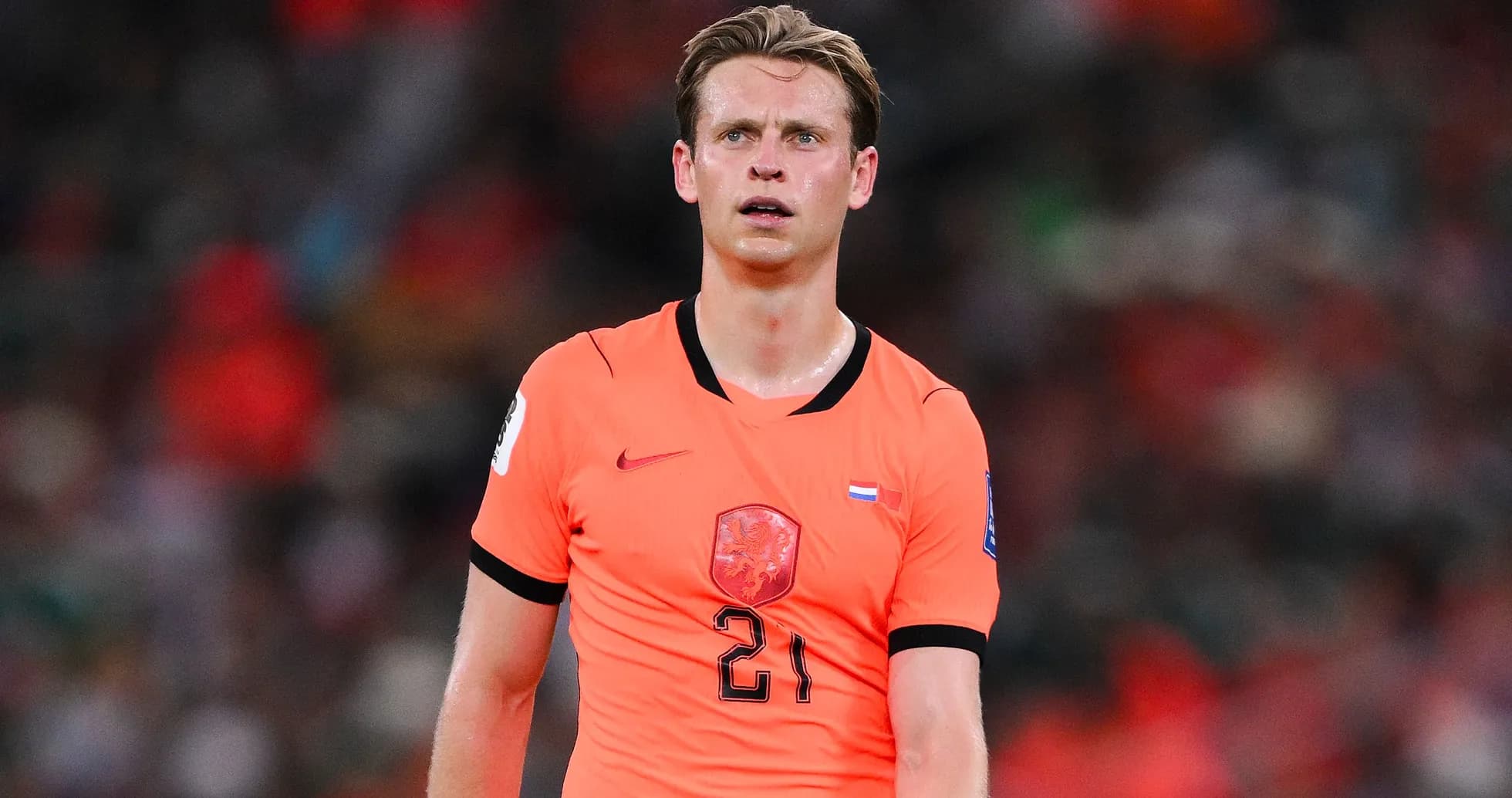
Frenkie de Jong’s World Cup ended not with a roar, but with a grim walk to the touchline and a seat on the bench he never wanted.
The Barcelona midfielder had emptied himself for almost 110 minutes, dragged through extra time against a ferocious Morocco side, only to watch the Netherlands fall on penalties. For a player who had spoken boldly about his influence and understanding of the game, this was the night the debate swung back in his direction – hard.
A Night When Nothing Quite Fit
Ronald Koeman’s tactical plan took the brunt of the post-match firestorm in the Dutch media, and with reason. The Netherlands went into a knockout tie against one of the tournament’s sharpest midfields with just two men in the centre of the pitch. Morocco swarmed. The Oranje never really settled.
In the middle of that storm, Frenkie de Jong looked nothing like the elegant metronome who had guided the Dutch through the group stage. His usual glide through pressure turned into hesitant touches, his trademark vertical passes into safer, flatter options. The rhythm he normally imposes on a game never arrived.
Rafael van der Vaart did not sugar-coat it. Speaking on NOS, the former international delivered a brutal verdict, quoted by Mundo Deportivo: “Frenkie de Jong played the worst match I have ever seen from him.”
For a player of De Jong’s stature, that line cuts deep. It also lands with extra weight because only recently he had pushed back against those who question his impact, suggesting many people watch football without truly understanding it. On this night, his critics felt vindicated.
System Failure
Van der Vaart, though, did not let the system off the hook. He pointed straight at Koeman’s set-up and the decision to go light in midfield against precisely the area where Morocco shine.
“It was really disappointing, but that is also because of the system,” he said. “I consider midfield to be Morocco’s strongest point, and even so we decided to play against them with only two midfielders.”
The confusion ran deeper than one selection call. Van der Vaart could not fathom why the Netherlands abandoned what had been working.
“I am very disappointed with Holland. We got through the group stage quite well. Things were starting to work, so what goes through your mind for you to suddenly have to do things completely differently against Morocco? I do not understand anything at all.”
The picture on the pitch matched that disbelief. With De Jong and his partner outnumbered, Morocco dictated the tempo, snapped into duels, and forced the Dutch to chase shadows for long stretches. De Jong, usually the man who drags his team up the pitch, spent too long pinned back, recycling instead of progressing.
Analyst Jan Mulder honed in on that caution: “He was too cautious, I only saw sideways passes.” For a player celebrated for breaking lines, it was a damning observation.
One Bad Night, Not a New Reality
Strip away the emotion of a knockout exit, and one truth remains: this game does not redefine Frenkie de Jong.
Barcelona know exactly what they have. A midfielder who carries the ball through pressure. Who resists the press when others panic. Who connects defence to attack with those smooth, driving runs and sharp, vertical passes. Those qualities did not vanish in 110 bruising minutes against Morocco.
In the group stage, he had been just that for the Netherlands – assured, influential, often sublime. He controlled games, stitched moves together, and looked every inch the leader of this Oranje midfield. Against Morocco, he ran into a tactical trap and a numerical disadvantage he could not solve alone.
One bad knockout performance will live long in the memory for a few days. The criticism will echo a little longer. But for De Jong, and for Barça, the real question is not what went wrong in this one match.
It’s how quickly he turns the page and reminds everyone why this off night felt so shocking in the first place.