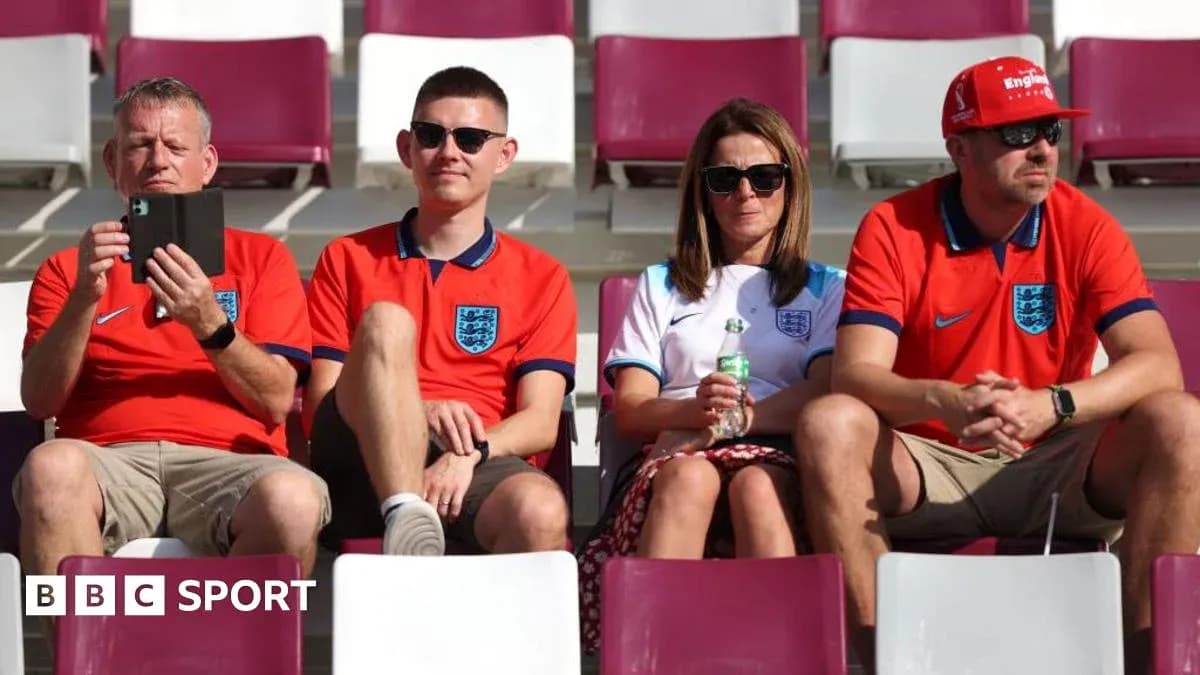
Fifa's Late Bottle Ban Sparks Anger Ahead of World Cup
Seven days before the World Cup kicks off on 11 June, Fifa has ripped up one of its own rules and banned fans from bringing reusable water bottles into stadiums – a late U-turn that has landed badly with supporters already bracing for high ticket prices and searing heat.
Until this week, the official stadium code of conduct was clear. Fans could carry in empty, transparent, reusable plastic bottles of up to one litre. It was spelled out “for the avoidance of doubt”.
That line has vanished.
In its place comes a blanket prohibition on bottles, along with cups, jars and cans. Fifa says the move is about safety, an attempt to cut the risk of injury from objects thrown from the stands.
“Fifa is committed to protecting the health and safety of all players, referees, fans, volunteers, and staff,” football’s world governing body said in a statement, defending the change.
Safety vs. Heat
The timing is striking. The ban arrives just as scientists warn that Fifa’s heat safety measures for this tournament are “inadequate”, with temperatures at 14 of the 16 host venues expected to climb into dangerous territory.
That leaves a sharp contradiction at the heart of the event: a governing body insisting it is protecting fans, while preventing them from bringing in the one item many see as essential in extreme heat – a refillable bottle.
Fifa points to a broader plan to keep supporters cool. It says it is working with each host city committee and local authorities on “heat mitigation factors” for fans travelling to and around the stadiums. Those measures can include misting stations, fans, hydration stations, cooling tents and other facilities around the stadium footprint.
Inside the venues, Fifa insists, water will be available to buy and prices will not be hiked for the tournament. “Pricing for water bottles for the Fifa World Cup 2026 will remain consistent with other events held at each stadium,” the statement said. Fans will also be able to use stadium water fountains, which are expected to remain free.
Money, Trust and a “Strange, Late Change”
For many supporters, that reassurance does little to soften the blow. The change comes against a backdrop of complaints over “extortionate” ticket prices and inflated train fares, and it feeds into a growing sense that match-going fans are being squeezed at every turn.
It is not the first time bottles have been barred from a World Cup. Fans were also prevented from taking them into stadiums in Qatar. But this time, the frustration is sharpened by the fact that fans had been explicitly told they would be allowed to bring their own containers.
The Free Lions England fans’ group captured that mood, describing the policy shift as a “strange, late change”. In a statement on X, the group said that free water availability inside stadiums had been “a key” issue in its discussions and that Fifa had previously assured them that supporters would be able to bring their own bottles.
“Naturally, the immediate thought from supporters is this is just the latest money-grab,” the group said, pointing to the expected heat and the number of open-air venues. The message was blunt: for conditions like these, just let fans carry a bottle.
Their closing line carried a mix of sarcasm and concern: “We hope the water fountains in stadiums will still be free, hopefully you aren't charged in the queue!”
A Battle Over What the World Cup Should Feel Like
On paper, Fifa’s position is simple: fewer hard objects in the stands mean fewer potential missiles and a safer environment. In practice, the decision cuts straight into a deeper argument about what it feels like to attend a World Cup in 2026.
Is it an event built around the comfort and welfare of the travelling fan, or a tightly controlled spectacle where every basic need comes at a price?
With the tournament days away and temperatures set to soar, that question will not be settled in a meeting room or a policy document. It will be answered in the queues at stadium gates, at the water fountains, and in the stands when the heat bites and fans reach instinctively for a bottle that, this time, they were told to leave at home.