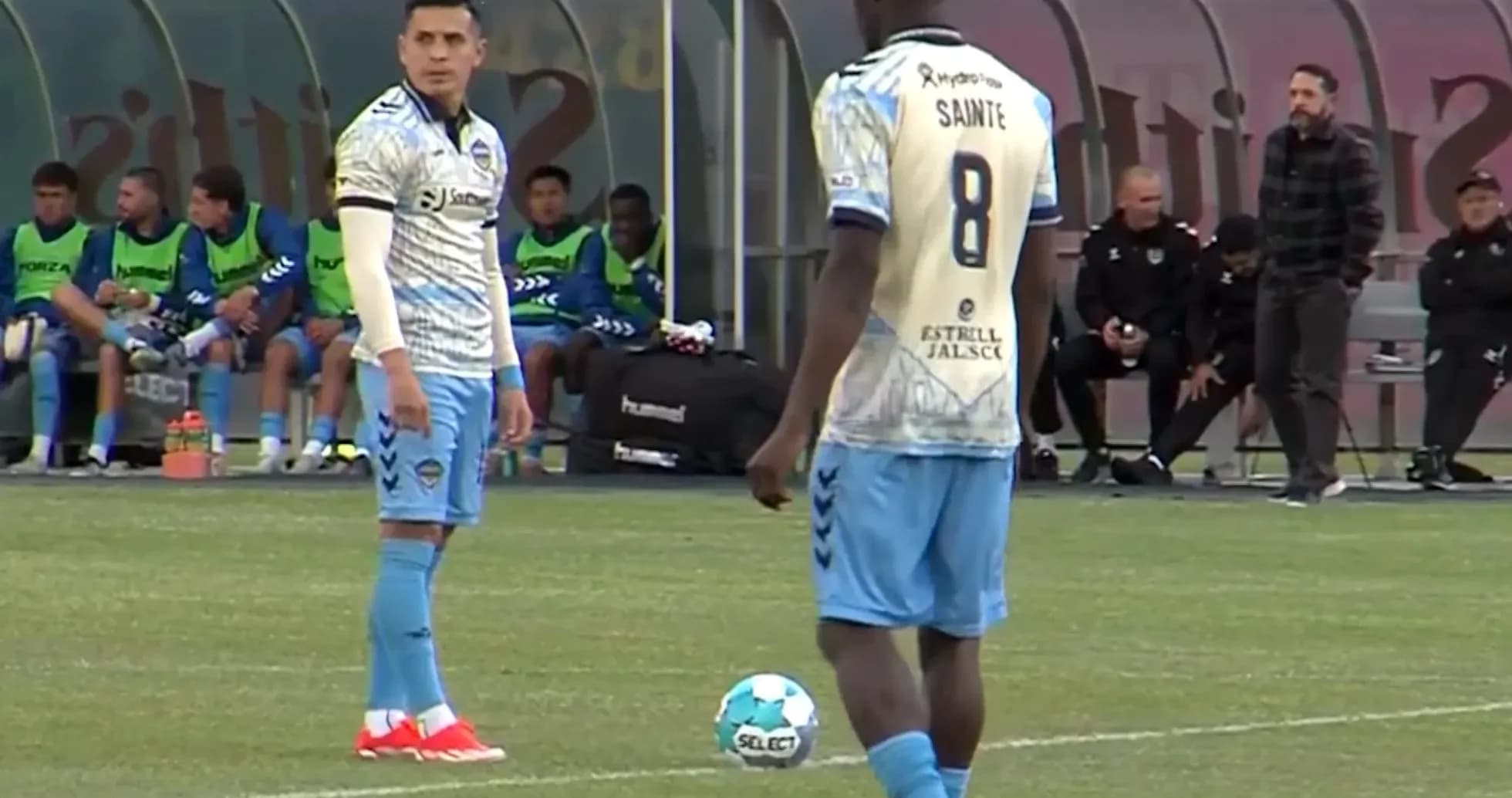

FC Tulsa Dominates Monterey Bay 2–0 in USL Championship Clash
Under the Tulsa lights at ONEOK Field, a promotion-chasing FC Tulsa side did exactly what a contender should do against a fragile traveler. In a USL Championship Group Stage clash, Luke Spencer’s team, already shaping a strong seasonal identity, beat Monterey Bay 2–0, a scoreline that mirrored the broader gap between third and twelfth in the table.
Heading into this game, the numbers framed a clear contrast. FC Tulsa sat 3rd in USL 1 with 19 points and a goal difference of 2, built on a solid overall record of 5 wins, 4 draws, and 3 defeats from 12 matches. Their season-long averages were controlled rather than explosive: 1.3 goals scored per game in total, and only 1.2 conceded. At home, they had been quietly efficient, winning 3 of 6, drawing 2, and losing just once, with 8 goals for and only 4 against. Monterey Bay arrived as the archetypal dangerous underdog but with glaring structural issues: 12th in the group, 11 points, and a goal difference of -9. Across 13 matches they had scored 13 and conceded 22, averaging 1.0 goals for and 1.7 against in total. The away numbers were stark: 0 wins, 1 draw, 5 losses, 4 goals scored and 14 conceded on their travels.
I. The Big Picture: Tulsa’s controlled authority
Spencer’s XI, with A. Tambakis in goal and an outfield spine of L. Batista, H. St.Clair, J. Webber, J. Kocevski, and the attacking trio led by R. Cabral and L. Dorsey, reflected continuity rather than experimentation. There was no listed formation, but the personnel suggested a balanced structure: ball-playing defenders, industrious midfielders, and wide forwards capable of stretching the pitch.
Tulsa’s seasonal DNA has been defined by defensive stability at home. Conceding just 4 goals in 6 home fixtures heading into this match, with an average of 0.7 goals against at home, they have built a platform for their attack to work without panic. Clean sheets underline that: 3 at home and 4 overall. That discipline was again on display in the 2–0 win, with Tambakis largely protected by a back line that managed Monterey Bay’s sporadic thrusts.
Monterey Bay, under Alex Covelo, lined up with J. Jackson in goal, a defensive unit of N. Gordon, Z. Farnsworth, K. Egwu, and J. Garcia, and a midfield featuring S. Ritchie and S. Lletget supporting wide runners like J. Belmar and W. Leggett. On paper, it is a side with enough technical quality to trouble opponents, especially at home where they had 3 wins and 9 goals heading into this fixture. But away from home, the season-long pattern has been fragility: 2.3 goals conceded per away game in total, with no clean sheets on their travels.
II. Tactical Voids: Discipline, risk, and what was missing
There were no explicit absentees listed, so both coaches appeared to have near-full squads. The more telling “void” was structural and psychological: Monterey Bay’s inability to translate their recent upturn in form into a resilient away performance. Their overall form string of LLDLDLLLLWWWL hinted at volatility—three straight wins recently, but eight losses already in the campaign.
Disciplinary trends added an undercurrent of risk. Tulsa’s yellow cards this season cluster heavily between 61–75 minutes (25.00%) and 76–90 minutes (21.88%), a sign of late-game strain or tactical fouling to protect leads. Monterey Bay are even more combustible in that same window: 28.21% of their yellows arrive between 61–75 minutes, and 23.08% between 76–90. They also carry a red card spike in the 61–75 minute band (100.00% of their reds there), underscoring how quickly pressure can turn into self-destruction.
In a match where Tulsa went in 1–0 up at half-time and stretched it to 2–0 by full-time, this discipline profile mattered. Protecting a lead, Tulsa’s late-game fouling profile becomes a tactical feature; chasing the game, Monterey Bay’s tendency to accumulate cards in the final half-hour risks breaking their own rhythm and exposing their already fragile back line.
III. Key Matchups: Hunter vs Shield, Engine Room battles
Without explicit top-scorer data, the “Hunter vs Shield” narrative focused less on individual strikers and more on unit vs unit. Tulsa’s home attack—8 goals in 6 home matches heading in, averaging 1.3 goals per home game—faced a Monterey Bay away defense that had shipped 14 in 6, averaging 2.3 goals conceded away. The 2–0 final score fit almost exactly into that predictive gap: Tulsa performing at or slightly above their usual home attacking level, Monterey Bay again conceding multiple times on the road.
In midfield, the “Engine Room” duel was embodied by J. Webber and J. Kocevski for Tulsa against S. Lletget and R. Nakamura for Monterey Bay. Tulsa’s season pattern of 4 failed-to-score games overall, split evenly home and away, suggested that when their midfield cannot connect lines, the attack can stall. Here, though, Webber and Kocevski helped maintain control and tempo, ensuring the front line of G. Robinson, B. Sparks, Cabral, and Dorsey received enough service to keep Monterey Bay pinned back.
Defensively, L. Batista and H. St.Clair formed the core of Tulsa’s shield in front of Tambakis, matching up against the mobility of J. Belmar and the creative touches of Leggett and Lletget. Given Monterey Bay’s overall tally of 13 goals in 13 matches heading into this game, and their meager 4 away goals, Tulsa’s back line simply needed to avoid unforced errors. The clean sheet indicates they did more than that: they controlled space, denied central combinations, and forced Monterey Bay into low-probability chances.
IV. Statistical Prognosis: xG logic and defensive solidity
We do not have explicit xG values, but the pre-match statistical landscape points to a clear expected pattern. Tulsa’s overall goals for (16) and against (14) in 12 matches, combined with their home averages of 1.3 scored and 0.7 conceded, suggest that a 2–0 or 2–1 type outcome was the most statistically coherent scenario against a side conceding 2.3 goals per away match and scoring just 0.7 away.
Tulsa’s penalty record—2 taken, 2 scored in total—underlines a clinical edge when they reach high-value situations in the box. Monterey Bay, with 1 penalty scored from 1 in total, also possess composure from the spot, but their problem is reaching those moments often enough, especially away.
Following this result, the story of the night aligns with the season-long data: a promotion-chasing Tulsa side, defensively robust at home and efficient in attack, calmly dispatching a Monterey Bay team whose away form remains their Achilles heel. The numbers had warned of a gap; over 90 minutes at ONEOK Field, Tulsa’s structure, discipline, and balance made that gap visible on the scoreboard.