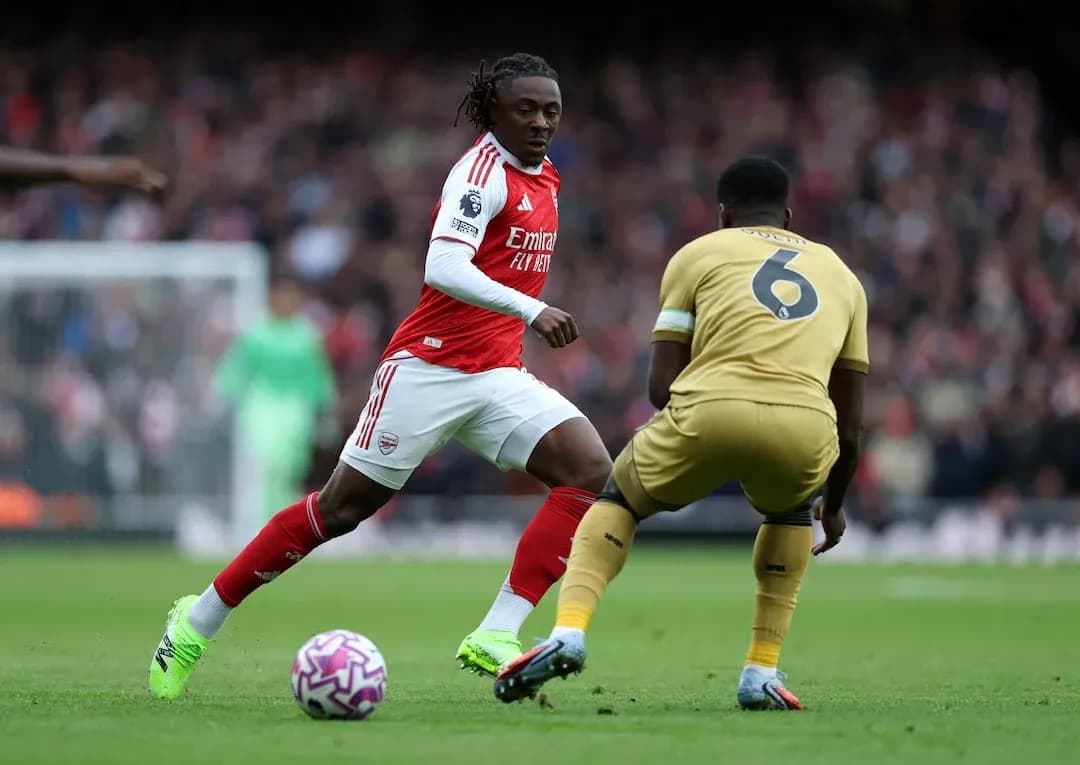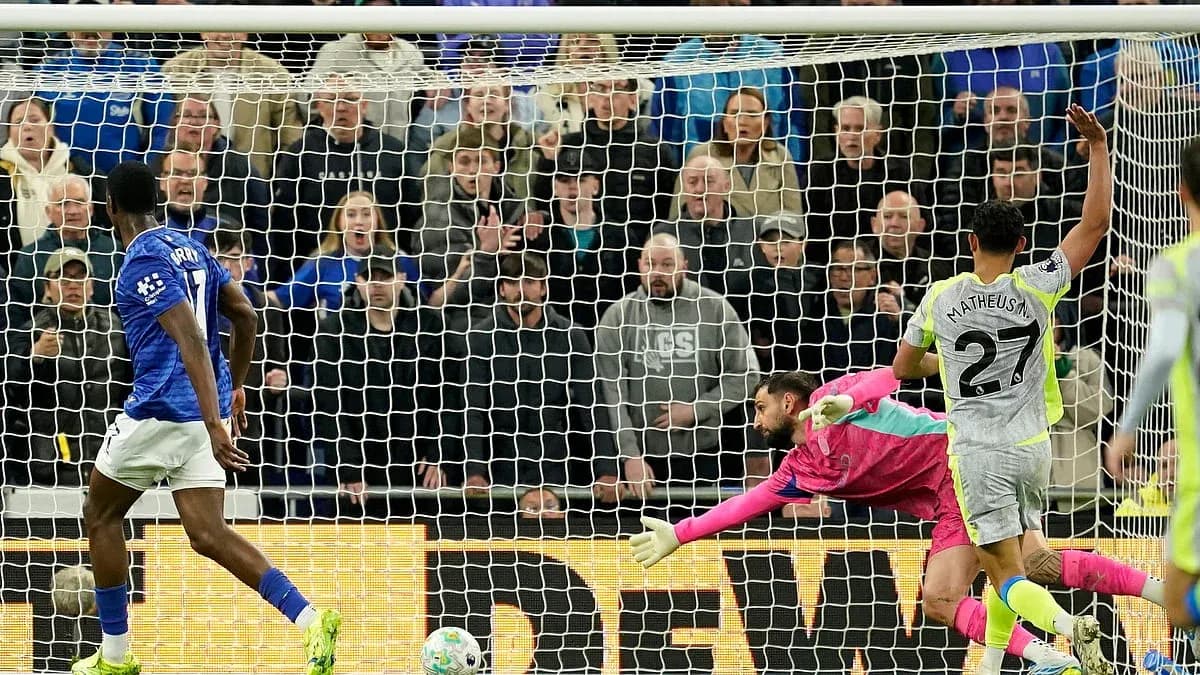
Everton vs Manchester City: Tactical Contrasts in 3-3 Draw
The Hill Dickinson Stadium had barely settled when this one turned into a study in contrasts: Everton, 10th in the Premier League heading into this game, fighting for identity and momentum; Manchester City, 2nd and chasing the title, accustomed to control. Ninety minutes later, the 3-3 scoreline felt less like chaos and more like a tactical argument that neither side quite managed to win.
Both coaches went with a mirrored 4-2-3-1, but with very different intentions. Leighton Baines’ Everton, whose seasonal DNA is one of balance more than brilliance – 44 goals for and 44 against overall, a goal difference of 0 from 35 matches – looked to compress space and then break with purpose. Pep Guardiola’s City arrived as the division’s most polished machine: 69 goals scored and 32 conceded overall from 34 matches, a goal difference of 37, underpinned by a fluid attacking structure and an away average of 1.7 goals scored and 1.1 conceded per game.
I. The Big Picture – Structure and Stakes
At home, Everton have been inconsistent but dangerous: 25 goals scored and 24 conceded across 18 matches, averaging 1.4 goals for and 1.3 against. That profile suits the 4-2-3-1 Baines selected. J. Pickford anchors a back four of J. O’Brien, J. Tarkowski, M. Keane and V. Mykolenko, with a double pivot of T. Iroegbunam and J. Garner. Ahead of them, M. Rohl, K. Dewsbury-Hall and I. Ndiaye work between the lines behind lone striker Beto.
City’s own 4-2-3-1 is a variation on their usual positional play. G. Donnarumma starts behind a back line of M. Nunes, A. Khusanov, M. Guehi and N. O’Reilly. The deeper midfield pairing is Nico and B. Silva, with an attacking trio of A. Semenyo, R. Cherki and J. Doku supporting E. Haaland. It is a shape that can morph into a 2-3-5 in possession, but in this fixture it also had to absorb Everton’s direct, vertical transitions.
II. Tactical Voids – Absences and Discipline
Both squads were significantly reshaped by injuries, and those absences wrote themselves into the tactical script.
Everton were without J. Branthwaite, I. Gueye and J. Grealish. Branthwaite’s hamstring injury removed a left-sided centre-back comfortable defending large spaces, forcing Baines to lean on the Keane–Tarkowski axis. Without Gueye, Everton lost a natural ball-winner at the base of midfield, which pushed more defensive responsibility onto Iroegbunam and, crucially, onto Garner. Grealish’s foot injury deprived Everton of a ball-retaining wide midfielder who can slow games down and draw fouls; that absence nudged more creative burden onto Dewsbury-Hall and Ndiaye between the lines.
City’s voids were just as structural: R. Dias (muscle injury), J. Gvardiol (broken leg) and Rodri (groin injury) all missing. Without Dias and Gvardiol, Guardiola turned to Khusanov and Guehi as his central pairing, with Nunes and O’Reilly as full-backs. The absence of Rodri was the deepest cut: City lost their metronome and their best transitional defender in front of the back four. Nico and Bernardo had to share those duties, altering City’s rest-defence and exposing them more when Everton broke quickly.
Disciplinary trends added another layer. Everton are no strangers to the referee’s notebook: their yellow-card distribution shows a clear late-game surge, with 22.39% of bookings coming between 76-90 minutes and 20.90% between 46-60. City, too, see a spike in that 46-60 window (21.67%) and again in the closing quarter (20.00%). In a match that finished 3-3, those phases were always likely to be frantic, with both teams walking a fine line between aggression and recklessness.
III. Key Matchups – Hunter vs Shield, Engine Room
Hunter vs Shield centred inevitably on E. Haaland against Everton’s defence. Haaland came into the fixture as the league’s leading scorer, with 25 goals and 7 assists in 33 appearances. He had taken 96 shots, 54 on target, and even from the penalty spot he was prolific but not perfect: 3 penalties scored and 1 missed. Everton’s overall defensive record – 44 conceded in 35 matches, 1.3 goals against per game both home and away – is respectable but not elite, and without Branthwaite and Gueye, the shield in front of Pickford was thinner.
That put huge emphasis on J. O’Brien and J. Tarkowski. O’Brien’s season profile is that of a combative defender: 54 tackles, 16 blocked shots and 14 interceptions, but also 1 red card and 4 yellows. He is proactive, sometimes to a fault. Tarkowski and Keane had to manage Haaland’s movement while O’Brien and Mykolenko tracked Doku and Semenyo’s runs from wide.
The Engine Room battle was more nuanced. For Everton, Garner is the heartbeat. He has 7 league assists, 2 goals and 49 key passes from 1,617 completed passes at 86% accuracy. His defensive output is elite: 113 tackles, 9 blocked shots and 53 interceptions, plus 10 yellow cards that underline how often he operates on the edge. In this match, he was tasked with both screening Haaland and launching Everton’s counters.
Opposite him, City’s creative core ran through R. Cherki and Bernardo Silva. Cherki arrived with 11 assists and 4 goals, 57 key passes and 1,198 total passes at 86% accuracy – a playmaker who thrives between the lines. Bernardo, for all his 9 yellow cards, remains City’s tempo-setter with 1,952 passes at 90% accuracy and 45 key passes. Without Rodri, Bernardo’s role tilted more defensive, freeing Cherki to drift into pockets behind Everton’s double pivot.
J. Doku added the chaos factor. With 5 assists, 4 goals and a staggering 132 dribble attempts (74 successful), he tests full-backs one-v-one relentlessly. Mykolenko and O’Brien had to decide whether to engage high or protect the box, knowing that any misstep would open lanes for cut-backs to Haaland or late arrivals from Semenyo and Cherki.
IV. Statistical Prognosis – xG, Momentum and the 3-3
Following this result, the numbers behind both teams’ seasons help explain why a six-goal draw felt plausible. Everton’s overall scoring rate of 1.3 goals per match and conceding rate of 1.3 suggest a side that plays on fine margins; City’s 2.0 goals for and 0.9 against overall mark them as heavy favourites in most fixtures, but their away profile – 31 scored and 20 conceded in 18 games – hints at vulnerability when stretched.
City’s clean-sheet record on their travels (7 away shutouts) is strong, yet the absence of Dias, Gvardiol and Rodri eroded that usual defensive solidity. Everton, with 11 clean sheets overall but 9 matches where they failed to score, are typically boom-or-bust in the final third. Here, they hit the boom side of that spectrum.
In xG terms, this kind of game is shaped by transition volume and penalty-box occupation. Haaland’s shot volume and City’s structured chance creation through Cherki and Doku would have driven a high expected goals figure for the visitors. Everton, meanwhile, leveraged Beto’s presence up front, Dewsbury-Hall’s late runs and Ndiaye’s ability to carry the ball into space to manufacture high-quality chances rather than high quantity.
The disciplinary profiles suggested a frenetic second half, and the 3-3 scoreline fits that narrative: legs tiring, structures loosening, and both sides living with the risk that comes with chasing the extra goal. For Everton, taking a point off a title contender underlines the potential of Baines’ 4-2-3-1 when Garner dictates the midfield. For City, the draw is a reminder that even a side with the league’s deadliest hunter in Haaland and its most inventive creator in Cherki can be dragged into a shootout when the usual defensive shield is stripped away.