Enzo Maresca: Leading Manchester City into a New Era
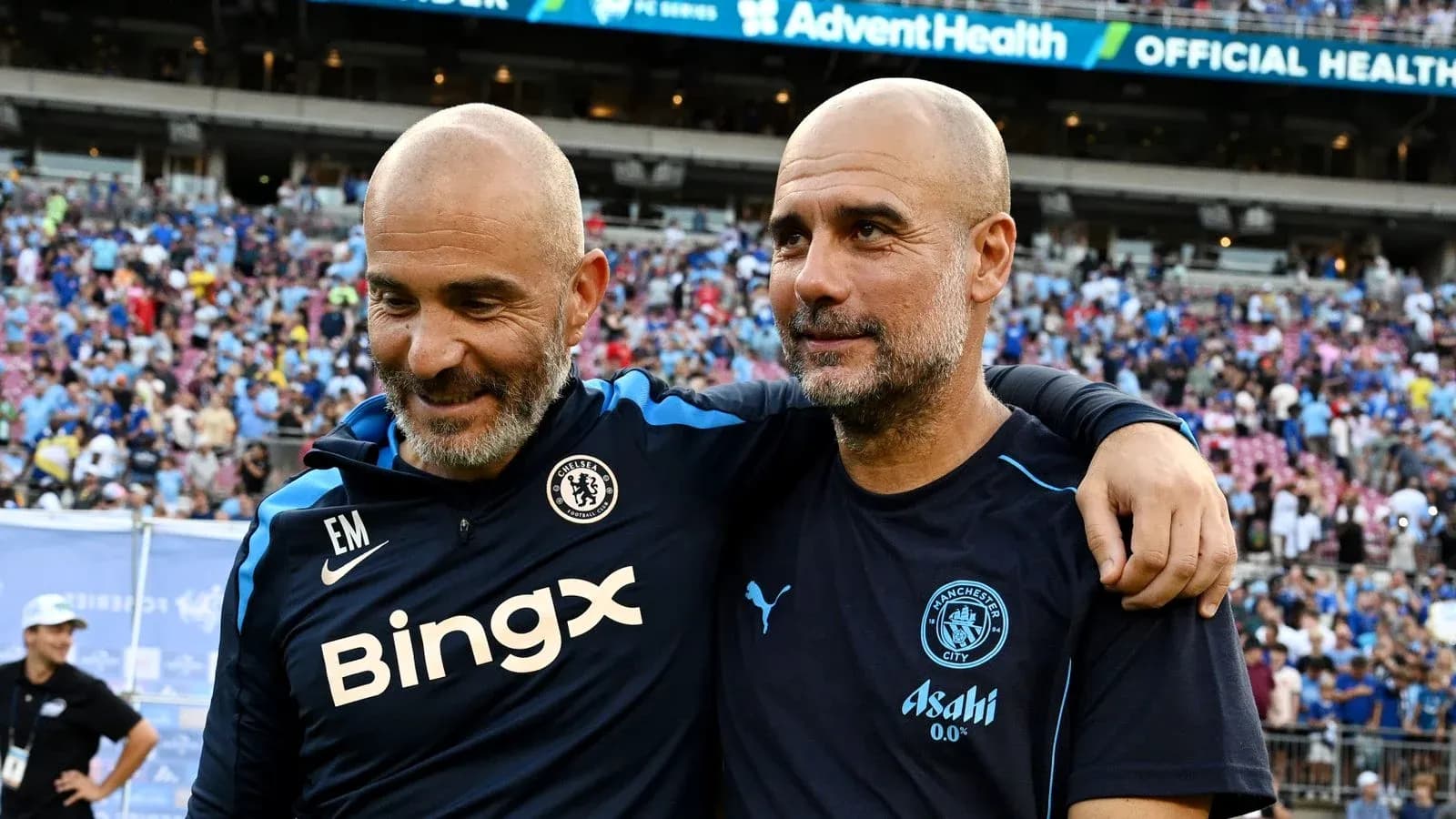
Enzo Maresca steps into the light at Manchester City with the kind of backdrop most managers only ever dream about – and many quietly fear.
He inherits a treble-winning machine, a dressing room stacked with talent, a club conditioned to see trophies as routine. He also walks into the void left by Pep Guardiola, the architect of an era City spent a decade preparing for.
Now comes the question that will define him: is he the man to turn continuity into a new dynasty, or just the bridge between legends?
A gentle start, brutal expectations
The fixture list has offered Maresca a soft landing. Bournemouth, Crystal Palace and newly-promoted Coventry City in his first three league games: it is as close to a managerial welcome mat as the Premier League ever lays out.
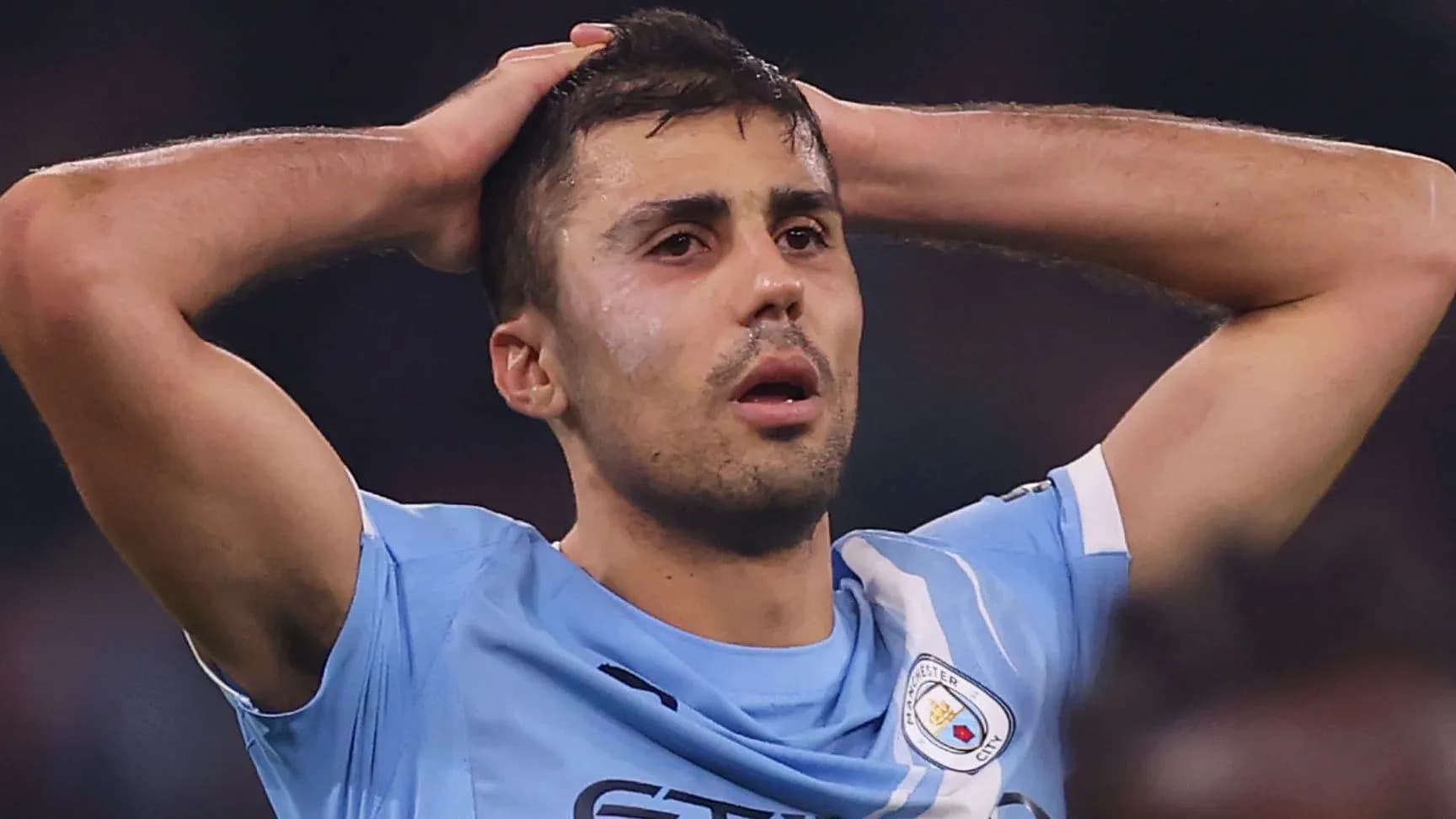
It matters. Those early weeks will let City’s World Cup core breathe. Rodri, who carried Spain through almost every minute of their triumphant campaign, is the prime concern. No player in this squad shoulders more responsibility or more minutes. No player looks more at risk of burnout.
Maresca can, in theory, ease him back. Those opening fixtures still tilt heavily in City’s favour without their midfield metronome. A phased return for Rodri is not a luxury; it is a necessity if City want him standing when the season starts to bite.
But that kind start is also a trap.
These are games City are expected to win – comfortably, stylishly, almost by default. Dropped points here would not just dent the table, they would chip away at the aura Guardiola built brick by brick. And waiting just beyond that early run are Manchester United and Liverpool in two of the next three matches in September, occasions that will test more than Maresca’s tactics.
Those derbies and rivalries carry emotional weight. They shape narratives. They define how quickly a new manager is accepted, or doubted.
Maresca called this a “dream situation” when he arrived, fully aware of what he was walking into: a well-balanced, deeply talented squad, carefully assembled by Guardiola and backed by a hierarchy that knows exactly what it wants. “It provides the consistency I need to do my job effectively,” he said.
The consistency, though, comes with conditions. The demands are unchanged from the Guardiola years, but the security is not. Guardiola managed on his own terms. Maresca, even with a strong relationship with chairman Khaldoon Al Mubarak, will not be afforded the same untouchable status unless he earns it quickly.
Style shift: same ideas, sharper edges
Tactically, City are not about to be ripped up and reimagined. Maresca’s football lives in the same family tree as Guardiola’s: possession as a weapon, control as a non-negotiable, an aggressive press as the first line of defence.
Yet there are important differences.
Guardiola’s City blurred positions. Full-backs stepped into midfield, centre-backs wandered into the No 6 role, wingers tucked into central pockets to create overloads around Rodri. The shape was a living thing, constantly morphing, constantly asking opponents impossible questions.
Maresca’s blueprint is cleaner, more defined. He leans towards a 4-2-3-1, a structure with clearer lines and more traditional roles. He likes his wingers high and wide, stretching the pitch, pinning full-backs back and creating channels for the No 10 to exploit.
That No 10 is crucial. At Chelsea, it was Cole Palmer, who thrived as the creative hinge between midfield and attack. At City, Maresca can turn to Phil Foden or Rayan Cherki if he wants to mirror that system. Both can operate between the lines, both can carry the ball, both can unlock deep blocks – but the choice will shape the team’s rhythm.
The adaptation period will be fascinating. City’s wide players have grown used to drifting inside, combining in tight spaces, rotating around Rodri. Asking them to hold width, to become touchline wingers again, changes their reference points. It changes how City build, how they press, how they suffocate teams.
The ideas are familiar. The details are not. How quickly this squad absorbs those details will dictate how smooth – or bumpy – Maresca’s first months feel.
A younger core, an older question
Behind the scenes, City have already been preparing for this transition, at least in terms of personnel.
Under sporting director Hugo Viana, the club has shaved years off the squad’s average age across the last two or three windows, dropping it from 29 to just over 25. The team is younger, more athletic, built for the long term.
But youth has come at a cost.
The exits of Bernardo Silva and John Stones this summer, following Kevin De Bruyne’s departure before them, have carved out a leadership gap that cannot be ignored. These were players who set standards in the dressing room and on the pitch, who knew how to drag City through tight games when the football frayed.
Rodri and Ruben Dias now carry even more weight, both as leaders and as symbols of continuity. Erling Haaland stepped further into that space last season, his influence stretching beyond the penalty area and into the dressing room dynamic. Marc Guehi and Josko Gvardiol bring experience and calm at the back, while Mateo Kovacic offers know-how in midfield.
The spine, crucially, remains strong. It is around that core that City have spent aggressively but carefully.
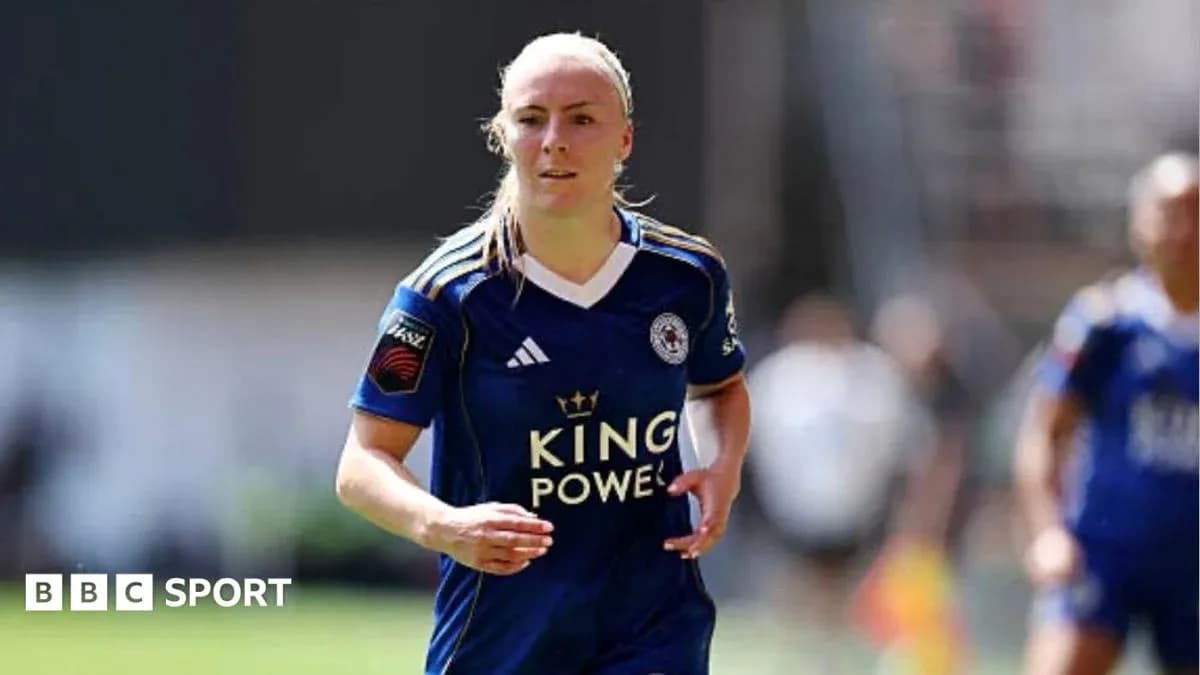
Elliot Anderson has arrived from Nottingham Forest for a hefty fee, a signing designed not just for the present but to future-proof the midfield. Jeremy Monga has been taken from Leicester as another long-term project. There is interest in adding a right-back and a winger, and the club continues to monitor Lille teenager Ayyoub Bouaddi, who impressed for Morocco at the World Cup and has also caught Arsenal’s eye.
On the other side of the ledger, the squad could be trimmed. Depending on offers, Savinho, Omar Marmoush, Nico Gonzalez, Jack Grealish, Tijjani Reijnders and Rico Lewis are among those who might move on if valuations are met. With the World Cup now over, the market is expected to accelerate. Maresca’s squad could look subtly but significantly different by the time the window closes.
He will not be short of options. The challenge is clarity: who forms his trusted core, who accepts a reduced role, who is sacrificed to keep the squad balanced and hungry?
A club between eras
For the first time since the Abu Dhabi takeover, City step into a season without a clearly defined long-term figurehead.
A decade of planning went into bringing Guardiola to the Etihad. Every structural change, every stylistic tweak, every major decision pointed towards that moment. He arrived, he conquered, he left his imprint on the club and the league.
Now the question hangs in the air: what comes after the Guardiola project?
The culture he helped cement is unrelenting. At City, winning is not a target, it is a baseline. Cups, titles, deep European runs – this is the language the club speaks. The supporters turn up expecting entertainment, but they demand results. Attractive football without silverware might buy patience at other clubs. At City, it buys scrutiny.
That balance between spectacle and steel is where Maresca’s Chelsea fell short. His ideas were clear, his football often brave, but the product did not consistently match the ambition. At City, the margin for that kind of learning curve is slimmer.
Yet he is not alone in starting again.
Andoni Iraola at Liverpool, Xabi Alonso at Chelsea and, to a lesser extent, Michael Carrick at Manchester United, all enter this season with their own uncertainties. The Premier League’s natural order is loosening. Familiar hierarchies are creaking. For a coach with conviction and a squad like City’s, this is fertile ground.
This is a sink-or-swim era. Maresca will know that better than anyone.
The shadow of 115 charges
Hovering over everything is the issue no manager can coach away.
City still face 115 Premier League charges relating to alleged financial rule breaches. The process has dragged on, the cloud has lingered, and Maresca will be the one fronting up to the cameras when the questions come.
Guardiola handled that spotlight with a mix of confrontation and control. He knew the City press pack, understood how to deflect, when to fight, when to shut a line of questioning down. His stature, his track record, his sheer presence gave him leverage in those exchanges.
Maresca’s experience is different. At Chelsea, he faced criticism, but it centred on football – selections, style, results. The stakes around City’s case are higher, the tone more charged. How he navigates those press conferences, how he carries himself when the club’s reputation rather than his tactics are under the microscope, will shape perceptions of him far beyond the touchline.
If a verdict lands within his first 12 months, the fallout – sporting, legal, reputational – could define the early chapters of his reign, no matter how many games he wins.
Maresca steps into a club that does not do half-measures. The squad is ready, the expectations are brutal, the landscape is shifting, and the shadow of those charges refuses to move.
He has the tools. He knows the building. He understands the standards.
What he does not have, yet, is proof that he can turn all of that into a new Manchester City era, rather than a brief pause between them.