England's World Cup Journey: Tuchel's Challenge and Kane's Role
England, Croatia, Ghana, Panama: Group of intrigue where history collides with reality
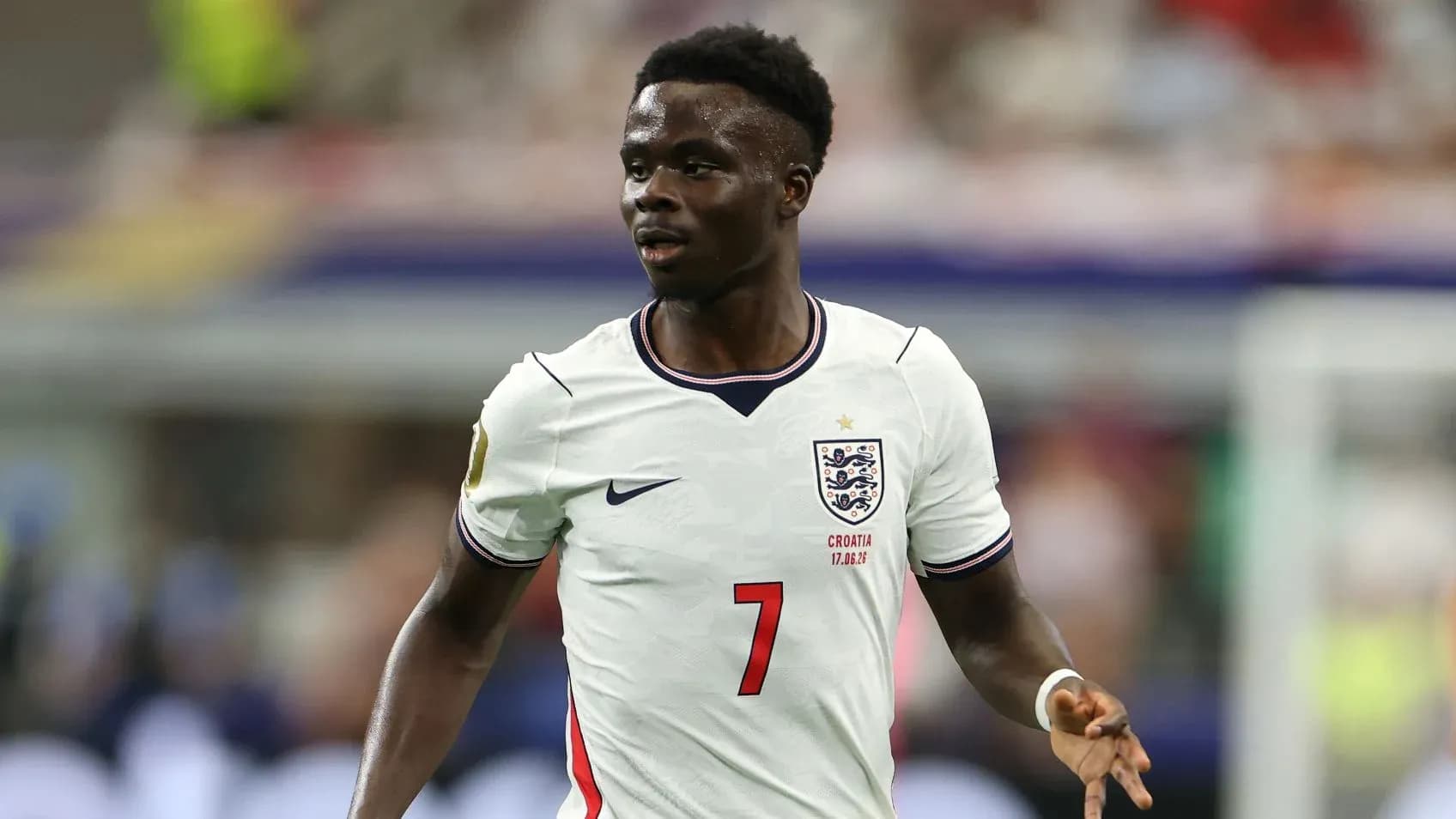
England: Tuchel walks into expectation, not hope
England no longer arrive at World Cups wondering if they belong among the contenders. They arrive asking why they have not finished the job.
This is their 17th appearance on the biggest stage, still defined by a single golden summer in 1966. Gareth Southgate nudged them closer: a World Cup semi-final, a European Championship final, another quarter-final. Progress, yes. Closure, no.
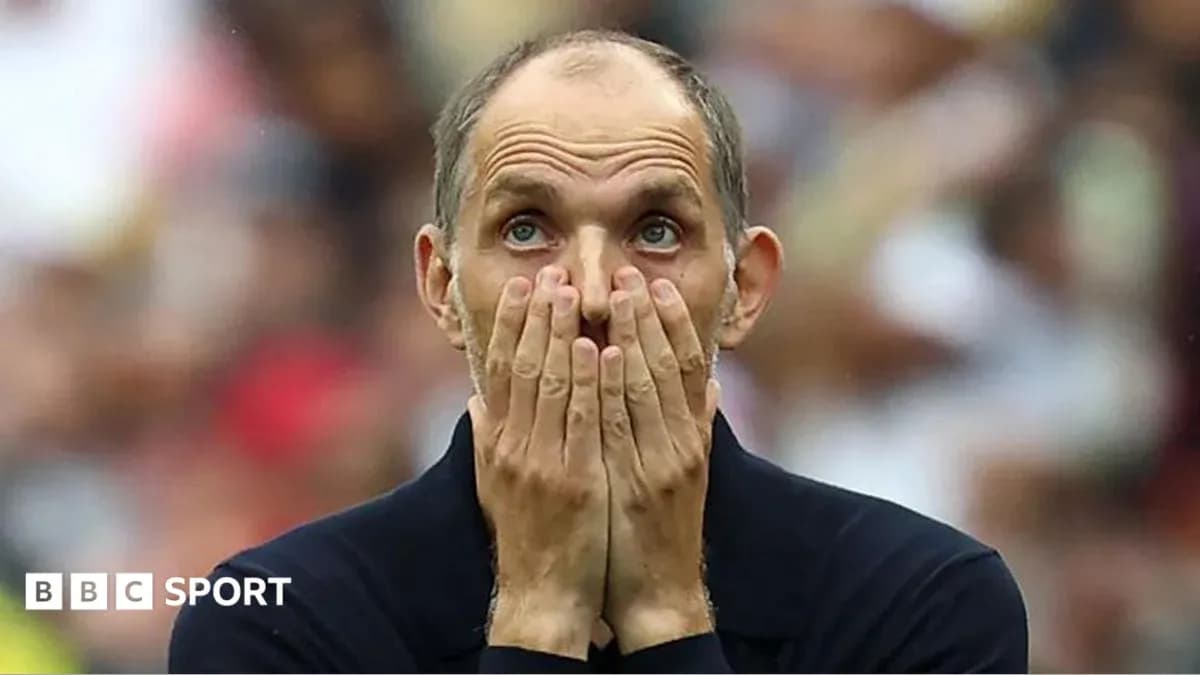
So the FA have turned to Thomas Tuchel, a Champions League winner, a coach who specialises in short, sharp interventions and tournament-style football. His task is brutally simple: turn a nearly team into world champions.
He inherits a well-balanced squad, with Declan Rice at its core. Rice is the metronome and the shield, the player who knits together defence and attack, the one who allows the flair players to roam while keeping the structure intact. Under Tuchel, that balance could harden into something ruthless.
But there is a warning sign. England have often been gripped by caution at the moment of truth, retreating into their shell when the prize comes into view. Tuchel’s challenge is to strip away that fear without losing control. If this group freezes again, all the talent in the world will not be enough.
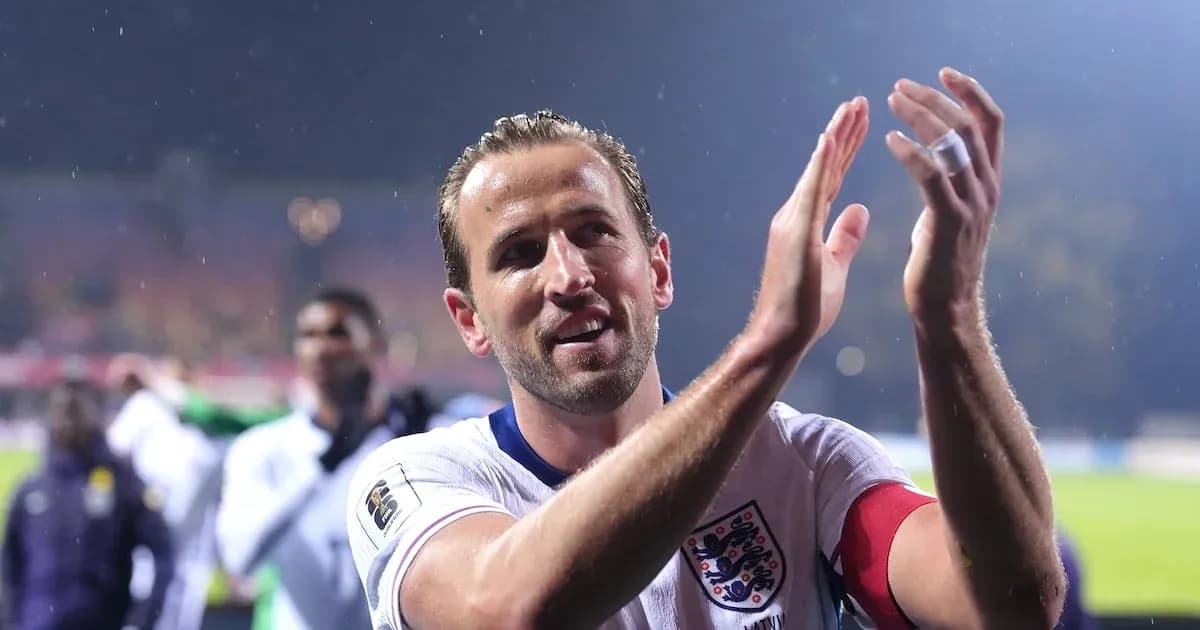
At the sharp end stands Harry Kane, still the reference point, still the star. Now at Bayern Munich, he has a compelling claim to being the most complete centre-forward in world football this season. He is England’s record goalscorer, already with eight World Cup goals behind him, and he arrives as both finisher and playmaker, leader and landmark.
If Tuchel can keep Kane supplied and the team unshackled, England’s long wait might finally feel under genuine threat.
Croatia: One last dance for a generation that refused to fade
Croatia do not do quiet exits. They drag tournaments into extra time, into chaos, into legend.
This will be their seventh World Cup, and the last two have been extraordinary: finalists in 2018, semi-finalists four years later. Both times they punched well above their supposed weight, living off technical quality, stubborn belief and an almost perverse enjoyment of suffering.
Zlatko Dalić remains in charge, still the calm figure on the touchline, still the architect of Croatia’s improbable runs. At his side, once again, Luka Modrić. Captain, conductor, symbol of an era that has stretched longer than anyone expected.
This time, though, the story feels different. Some of the old guard are past their peak. The legs do not move quite as quickly, the recovery takes a little longer. To repeat a final or semi-final run now would be an even greater shock than before.
Yet their style might help them. Croatia’s slow, possession-heavy game is built for control rather than chaos. In draining heat, when matches settle into long spells of patient probing, their ability to keep the ball and dictate rhythm becomes a weapon.
The defensive anchor is Joško Gvardiol, who emerged from the last World Cup as arguably the standout defender in the tournament. Now at Manchester City, he has grown into one of the most coveted defenders in the game, though he comes into this World Cup off the back of a broken shin and a relatively recent return. His presence is non-negotiable; when he plays, Croatia look organised, aggressive, assured.
They may no longer be the story everyone expects. But with Dalić, Modrić and Gvardiol at the spine of the side, nobody will relish trying to end their run.
Ghana: Talent, tension and the Queiroz calculation
Ghana arrive with familiar promise and familiar frustration.
This is their fifth World Cup, with the 2010 quarter-final still etched into the country’s footballing psyche. Since then, the Black Stars have rarely matched the sum of their parts. The current squad is no exception: talent everywhere, cohesion far harder to find.
The warning signs are there in the numbers. Five straight friendly defeats before a draw with Wales finally stopped the slide. Performances have veered between disjointed and passive, the team often looking less than the collection of names on the teamsheet.
To arrest that drift, Ghana have turned to Carlos Queiroz, a veteran of international football and a coach with a clear identity. His teams are usually compact, disciplined, hard to break down. Expect defensive structure first, attacking expression second.
That pragmatism may come at a cost. Without the injured Mohammed Kudus, Ghana lose a vital spark between the lines, a player capable of beating opponents and changing the tempo in an instant. The risk is a side that is solid but blunt, organised but short on invention.
Responsibility falls heavily on Antoine Semenyo. The Manchester City forward has just produced a standout domestic season, scoring 17 Premier League goals and the winner in the FA Cup final. At club level, he looks ruthless. For Ghana, the picture is starkly different: only three goals in 34 appearances.
If he can transplant his club form onto the international stage, Queiroz’s conservative blueprint suddenly has a cutting edge. If not, Ghana may once again find themselves wondering how a squad this gifted can look so ordinary when it matters.
Panama: Chasing respect after England’s shadow
Panama know exactly how brutal a World Cup can be.
Their only previous appearance, in 2018, included a 6-1 dismantling by England, with Harry Kane helping himself to two goals. That defeat left a scar and a lesson. At this level, one bad spell can turn into a humiliation.
Now they return for a second World Cup, still chasing their first point on the global stage. The target is modest, but realistic: compete, stay in games, and leave with something tangible.
Under Thomas Christiansen, Panama have quietly stitched together a run of respectable results, enough to lift them to a surprisingly high Fifa ranking of 33. On paper, that places them far from the minnows’ bracket.
Then came a jolt. A 6-2 friendly loss to Brazil snapped any illusions of comfort, a reminder that rankings do not close the gap to the elite. When the tempo rises and the stars click, Panama can still be overwhelmed.
Yet that does not erase the progress. This is a team more streetwise than the one that froze in 2018, more aware of its limitations and more committed to playing within them. A first World Cup point would not just be a statistic; it would be a marker of growth, a sign that Panama are no longer simply making up the numbers.
In a group laced with history, scars and ambition, that small step could feel like a giant one.