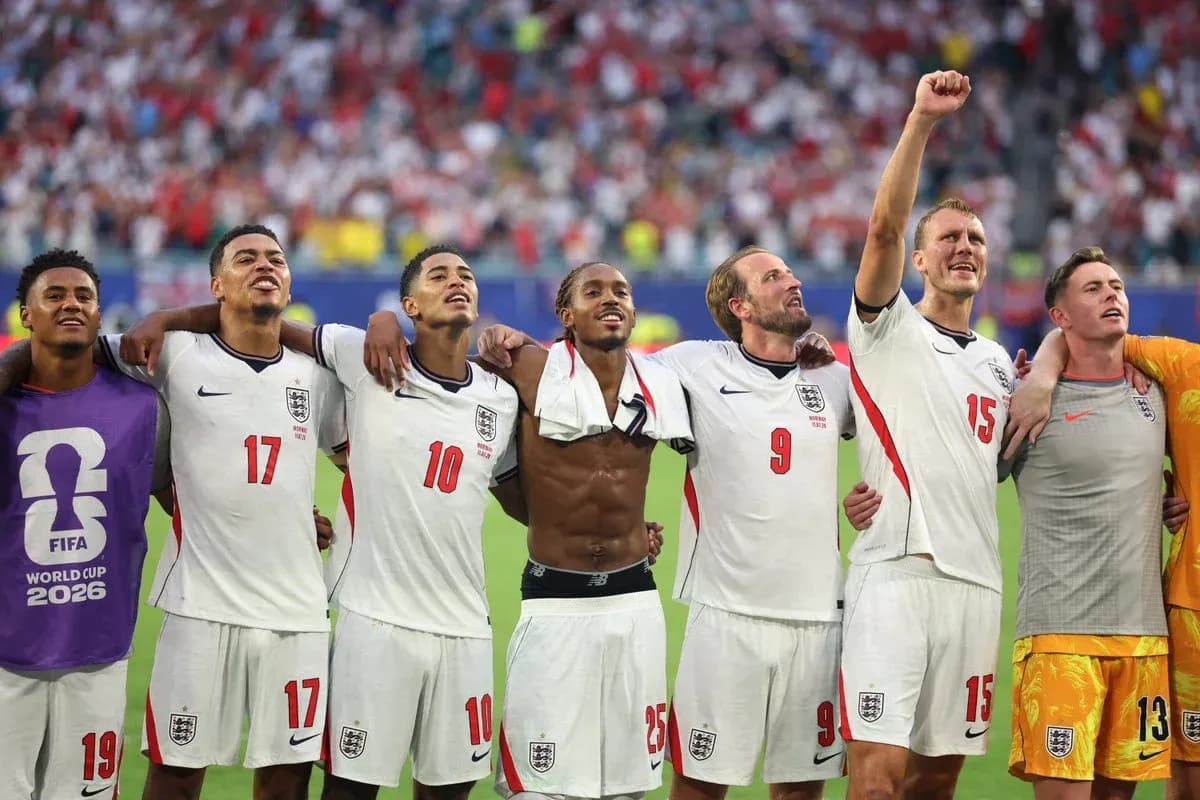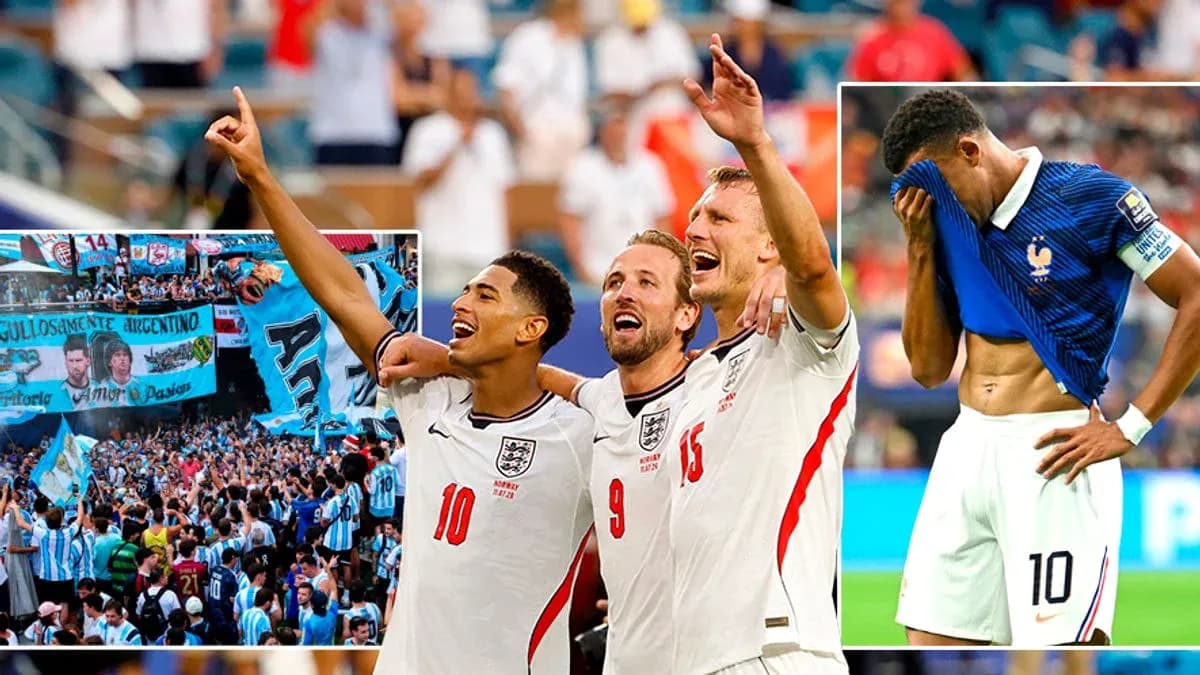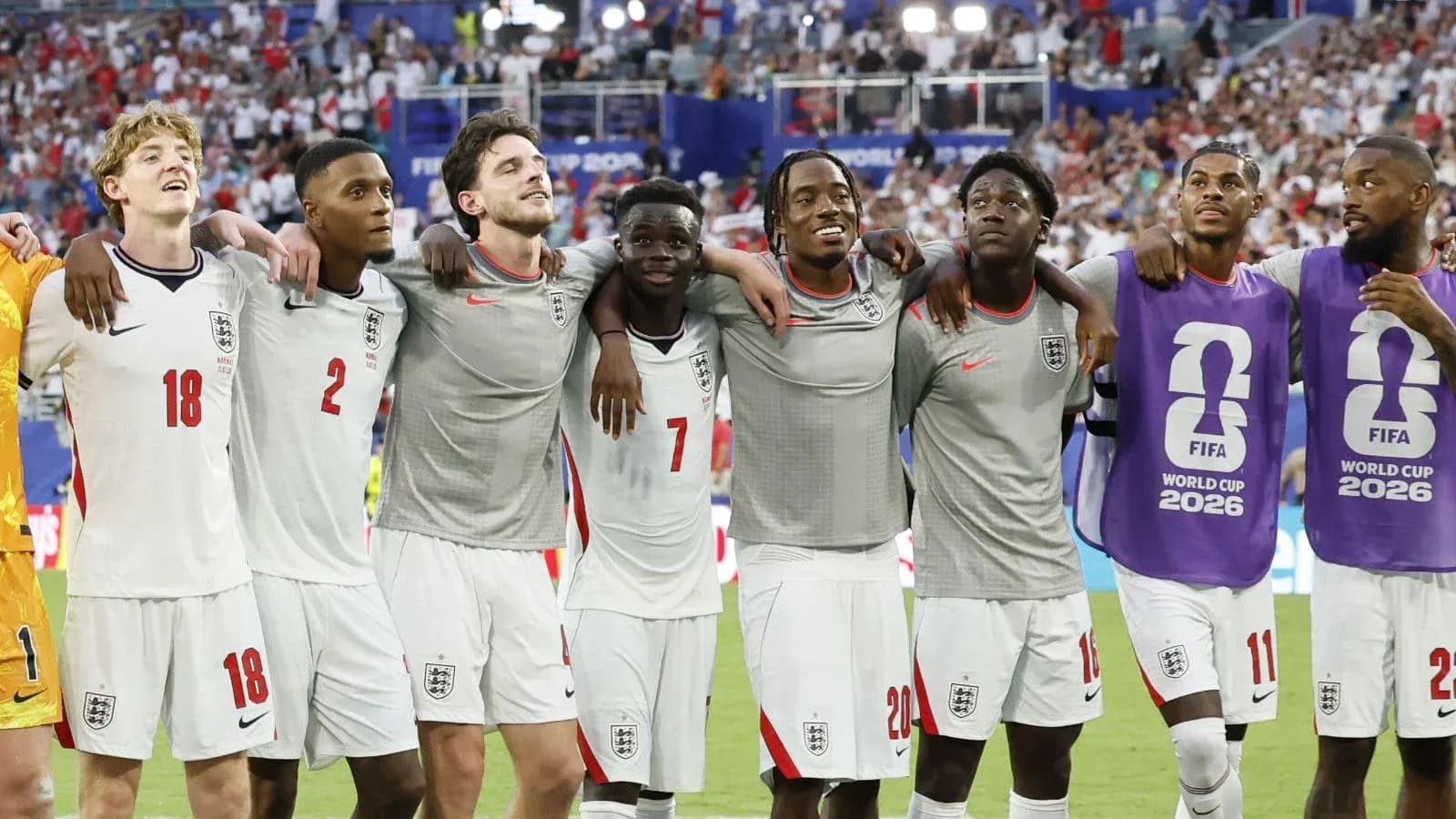
England's Historic World Cup Journey: More Than Just a Game
Here is the uncomfortable truth for England: it still probably isn’t coming home.
Strip away the noise, the songs, the nostalgia, and the odds say it’s more likely England finish fourth after losing to Argentina and France than lift the trophy by beating Argentina and Spain. That’s the cold arithmetic of tournament football.
And yet, almost regardless of what happens in Atlanta against Lionel Messi and his entourage of serial competitors, this is already England’s second-best men’s World Cup. Ever.
That part seems to be slipping through the cracks.
Exceeding the old script
This team arrived with the familiar smell of an old English story: play within themselves, stagger to the quarter-finals, find a single scapegoat, and spend the next decade psychoanalysing a missed penalty or a tactical tweak.
They’ve already ripped that script up.
It hasn’t been consistently thrilling. At times, it hasn’t even been particularly good. But that’s true of almost everyone here. You just feel it more with England. You live every misplaced pass, every cautious sideways ball, because you’re watching it as an England fan in England. Or as a Scotland fan in Scotland. Or, for those truly cursed, as a Scotland fan in England.
The scrutiny is relentless. The standard demanded is higher. But in that harsher light, a simple fact is being missed: this is a historic run.
Spain, for instance, were a shambles against Cape Verde. France spent an hour against Senegal looking like they’d rather be anywhere else, then carried that lethargy into an entire semi-final. England have flirted with that level of wretchedness only in short spells. Never for 90 minutes. Never without response.
Argentina, for all their aura, have strolled a gentler knockout path than England. They have not been forced to grind through the same level of jeopardy to reach this point.
England don’t do capitulations
Only a genuine humiliation at Messi’s hands can really rewrite how this tournament is judged for England now. And history suggests that kind of collapse just isn’t in their repertoire.
Embarrassing exits? Yes. Humiliating defeats to teams they should beat? Of course. But proper thrashings, the sort that feel over by half-time and end in ritual dissection? Almost never.
Ignore the third-place play-off – football’s equivalent of a deleted scene. It’s not real, and it can’t hurt you. In meaningful matches, England have lost by more than one goal at a major tournament just once since 1988.
Once.
Even that day, against a superior Germany side in the last 16, carried its own asterisk. England were outclassed, but it would still have been 2-2 at the break without an officiating disaster so glaring it helped push football down the technological rabbit hole it still tumbles through today.
Look at the breadth of it. Since the start of the 1990s, England have missed only two major tournaments. They have not won any of the 17 they’ve played in, and yet only once have they been truly dumped out. Only once has the final whistle felt like mercy rather than heartbreak.
That is a remarkable record of being hard to kill. And it’s part of why this run, for all its imperfections, deserves more weight than it’s getting.
Better than it feels
It doesn’t quite feel like England’s second-best World Cup, does it? The conversation hasn’t caught up with the reality.
By any objective measure, this is it. Reaching a semi-final outside your own confederation is harder than doing it at home or in familiar territory. This is the furthest England have ever gone in a World Cup outside Europe.
That matters.
Some of the noise around it has been coloured by Scottish frustration. Four exits from the same tournament will do that to a nation. The irritation is understandable. The arguments are not.
There has been a deliberate misreading of how seeded draws work. The complaint runs that Scotland had to face two strong sides in the group, while England didn’t. On the surface, that sounds damning. Look closer, and it’s just how the system is built.
Scotland were indeed unfortunate to land both Brazil and Morocco. No question. But that is the fate of teams drawn from the lower pots. You get more sharks in your water.
The real hard luck stories are the seeded nations who pull another top-10 side in their group, as Brazil did. The more common outcome is what England had: no other top-10 opponent. That’s not a fix. It’s probability.
And here’s the kicker: Croatia were ranked 10th at the time of the draw. The very edge of that elite bracket. Panama, for their part, were the highest-ranked team England could have drawn from pot three, behind only Norway – and Norway couldn’t have been in a group with both England and Croatia anyway.
So the much-mocked “easy” route? On paper, it was almost exactly what the rankings said it should be.
The rankings game
The fact England have yet to face a side officially in FIFA’s top 10 has become a stick to beat them with. The same rankings that were dismissed as nonsense when they flattered England are now treated as gospel to downplay their run.
The truth lies somewhere in between. Croatia sit on that top-10 borderline for a reason. Mexico, at altitude in the Azteca, are every inch a top-10-level test regardless of the exact number next to their name.
And if you can look at Norway right now and insist, with absolute conviction, that there are 10 better international sides on the planet, you’re stretching the definition of certainty.
Strip it all back and there’s no credible way to argue England have enjoyed some freakishly open draw. They’ve had what a seeded team is meant to have. Nothing more, nothing less.
They topped their group and were rewarded with a third-placed side in the last 32. They met Mexico in the last 16, just as the bracket suggested they would. This is a World Cup where the top four seeds all reached the semi-finals. In that context, Norway knocking out Brazil not through chaos or luck, but by being the better-organised, more coherent team, stands out as one of the few genuine jolts since Paraguay yanked down Germany’s lederhosen.
The bracket has behaved. England have simply done what strong teams are supposed to do: hold their nerve, win their group, and survive the traps.
Glorious, even in failure
So here England stand, staring up at the hardest climb of all. Argentina, with their tournament scars and stubborn refusal to yield. Spain, with their club-level chemistry and tactical clarity. Back-to-back, it feels almost impossible.
Almost.
The likeliest outcome is still defeat somewhere along that path. But if it comes, it will come at a height no other England failure has ever reached. Not in 1966’s shadow. Not in all the decades of hurt that followed.
This is already the most glorious failure England have produced on the global stage.
Whether they can turn it into something more is no longer a question of history. It’s a question of nerve.