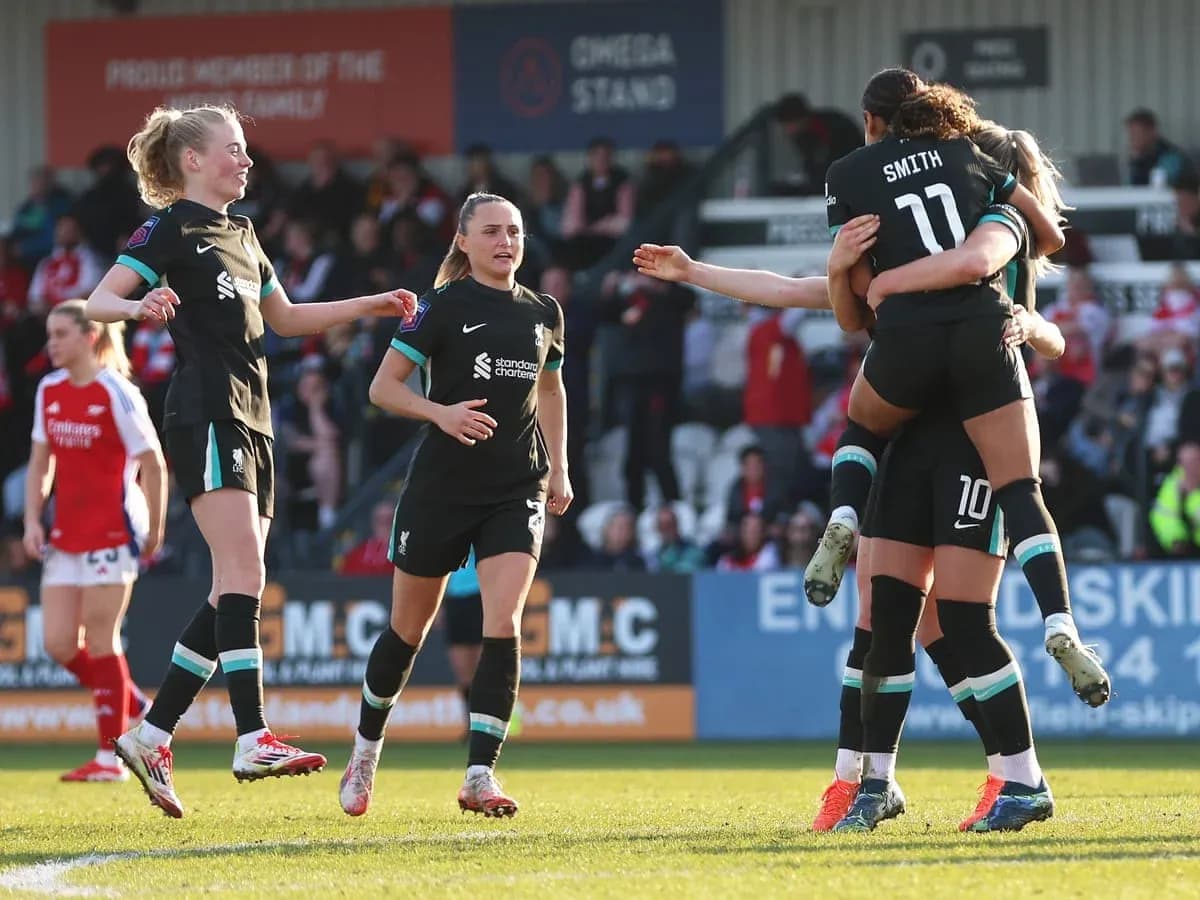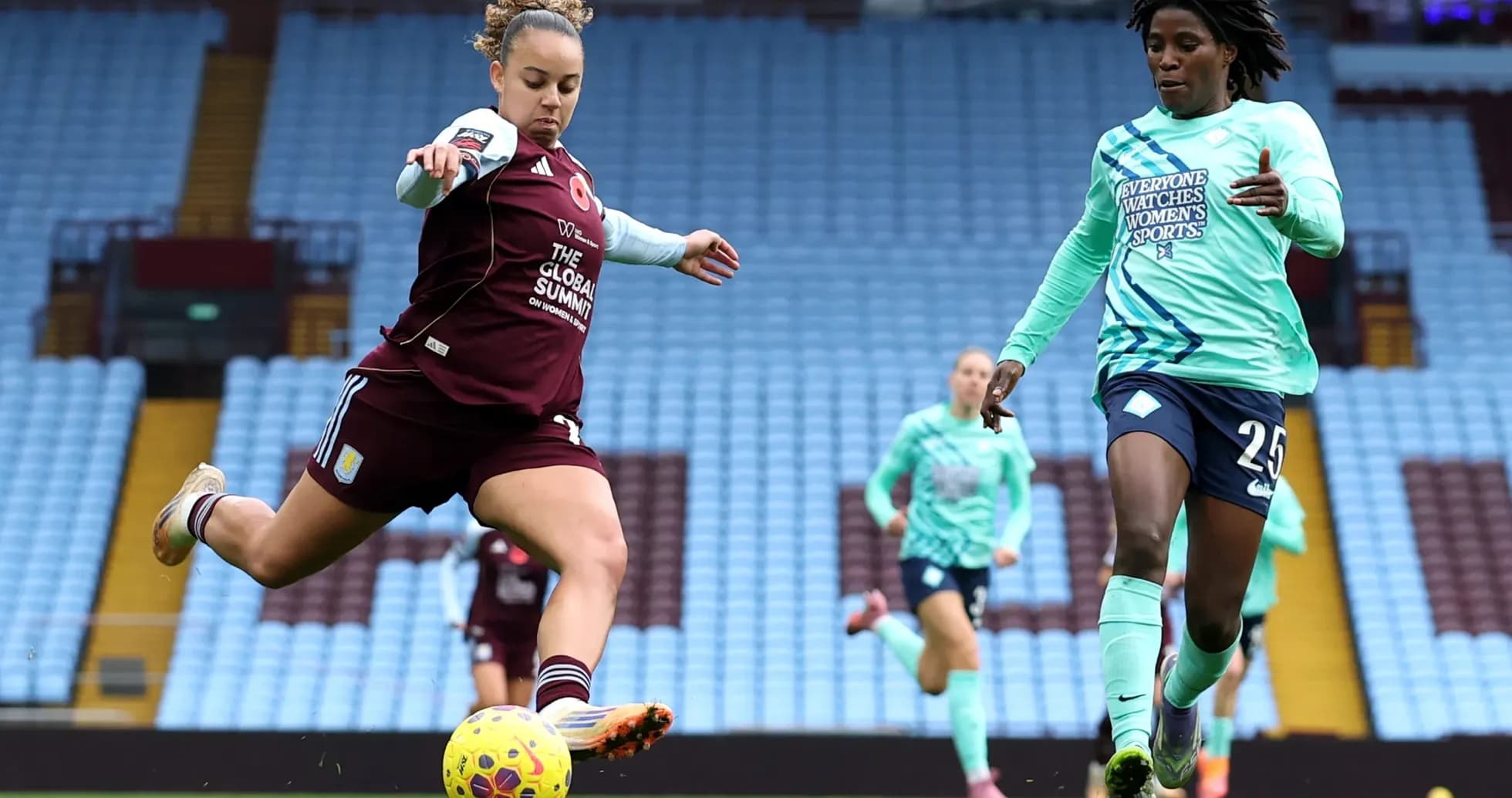
Chelsea W vs Manchester United W: FA WSL Showdown
On 16 May 2026, the lights of Stamford Bridge in London will frame another chapter of a rivalry that has come to define the top end of the FA WSL. Chelsea W, chasing glory and already entrenched in the Champions League places, welcome Manchester United W, who arrive still fighting to turn a solid campaign into something more memorable. With league positions, pride and a growing body of recent clashes all in play, Stamford Bridge feels less like a stage and more like a pressure cooker.
Season Context
Chelsea W enter this fixture as one of the league’s standard-bearers. Sitting 2nd with 46 points from 21 matches, they have combined attacking punch and defensive resilience (43 goals scored, 20 conceded). The goal difference of +23 underlines how often Chelsea W have put games out of reach, and their position is already marked as “Champions League”, confirming their place among Europe’s elite for this calendar year.
Manchester United W arrive in London from 4th place, a respectable but less secure perch. With 40 points from 21 matches, they trail Chelsea W but remain firmly in the upper tier (38 goals scored, 21 conceded, goal difference +17). There is no description attached to their standing, which means they are outside the confirmed qualification zones and still pushing to convert a strong platform into something more tangible in the final weeks.
Form & Momentum
Chelsea W’s recent league form string reads “WWWDW”, a sequence that speaks of sustained strength (four wins and one draw in their last five). Across the full campaign they average just over two goals per game (43 goals in 21 matches) and concede roughly one (20 in 21), a balance that justifies calling them a powerful but controlled side in both boxes (goal difference +23). That blend of cutting edge and stability has underpinned their climb to 2nd.
Manchester United W’s form line of “DDLWD” tells a more uneven story (two draws, two defeats, one win in their last five). Their season-long numbers remain solid, with about 1.8 goals scored per match (38 in 21) and 1.0 conceded (21 in 21), but the recent run suggests inconsistency against the league’s better teams. The contrast between a positive goal difference (+17) and that stuttering sequence underlines a side capable of quality but struggling to sustain momentum (form “DDLWD”).
Head-to-Head Patterns
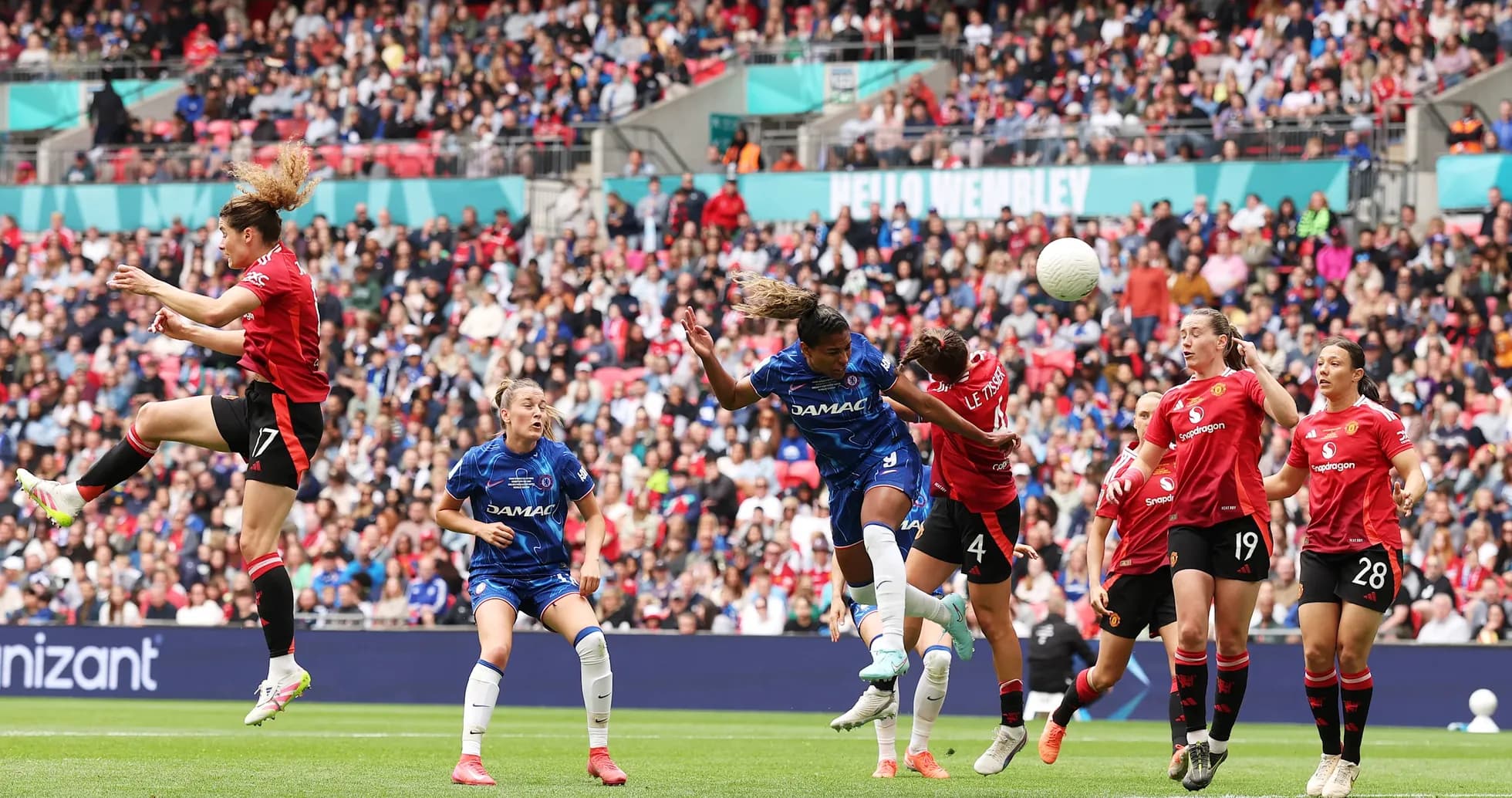
The recent history between these clubs has tilted towards Chelsea W, especially in knockout games. On 15 March 2026, Chelsea W beat Manchester United W 2-0 in the WSL Cup final (2-0, WSL Cup, season 2025, March 2026), a statement win on neutral turf at Ashton Gate Stadium. Less than a month earlier, they had also prevailed after extra time in the FA Women’s Cup (2-1, FA Women’s Cup, season 2025, February 2026) at Kingsmeadow, again with Chelsea W as the home team.
The league meeting in this FA WSL campaign was tighter but still showed how closely matched they can be. On 3 October 2025, at Leigh Sports Village, Manchester United W and Chelsea W shared the points in a 1-1 draw (1-1, FA WSL, season 2025, October 2025). That result offers a reminder that while Chelsea W have often found the decisive edge in cups, Manchester United W have already shown they can live with them over 90 minutes in the league.
Tactical Preview
Chelsea W’s statistical profile suggests a side built on front-foot control and flexible structures. Their most-used shape is a 4-1-4-1 (6 league matches), with 4-2-3-1 also prominent (3 matches). Those systems suit a high-tempo, possession-heavy approach, with a single pivot protecting a back line that has allowed just 20 goals in 21 games. In attack, Chelsea W’s 43 league goals show their capacity to sustain pressure, and players like A. Thompson add a decisive edge: A. Thompson has 6 goals and 3 assists in 19 league appearances, with 23 shots and 21 key passes, underlining her dual threat as both finisher and creator.
From the flanks and half-spaces, Chelsea W can rotate between wide runners and inside forwards. The presence of multiple attackers in the squad list – from L. James and S. Kerr to Catarina Cantanhede Melônio Macário and A. Beever-Jones – gives them options to stretch the pitch or overload central zones. With a league average of roughly 2.0 goals per game (43 in 21), Chelsea W are well equipped to turn territorial dominance into chances, and their eight clean sheets in league play (across home and away) point to a structure that rarely collapses under pressure.
Manchester United W, by contrast, lean more consistently on a 4-2-3-1 (10 matches), with 4-1-4-1 and 4-4-2 used as variations. The double pivot in 4-2-3-1 provides a platform for creative midfielders and wide forwards. J. Park, listed as an attacker in the squad but used as a midfielder in the statistical data, has been central to their attacking patterns: J. Park has 4 goals and 3 assists in 21 appearances, with 443 completed passes at 83% accuracy and 17 key passes, marking her as a key link between midfield and attack. Around her, E. Terland’s 4 league goals and M. Malard’s 3 assists add further options in the final third.
Without the ball, Manchester United W’s defensive record of 21 goals conceded in 21 matches is respectable, and their seven clean sheets show they can shut games down when the structure holds. However, discipline could be a subplot: J. Olme has collected five yellow cards, while J. Riviere combines four yellow cards with one red, numbers that hint at an aggressive defensive edge on United’s right side. Against Chelsea W’s wide rotations, that flank will be a critical battleground.
Set against their league metrics, the predictive model’s comparison – 68.8% in favour of Chelsea W versus 31.2% for Manchester United W – mirrors the broader statistical picture: Chelsea W are more explosive in attack (comparison att 82% vs 18%) while Manchester United W rate slightly better defensively (comparison def 58% vs 42%). Over 90 minutes at Stamford Bridge, that shapes a contest between Chelsea W’s offensive variety and Manchester United W’s need for compactness and counter-attacking clarity.
Statistical Snapshot
- Competition: FA WSL, season 2025 — 16 May 2026.
- Venue: Stamford Bridge, London.
- Prediction: Win or draw — Double chance : Chelsea W or draw.
- Win Probabilities: Home 45% / Draw 45% / Away 10%.
- Model: Chelsea W 68.8% — Manchester United W 31.2%.
Betting Verdict
The analytical case leans strongly towards Chelsea W avoiding defeat, reflected in the prediction of “Win or draw” and the advice “Double chance : Chelsea W or draw”. With home win odds clustered around 1.46–1.58, the market sees Chelsea W as clear favourites, while the draw sits roughly around 3.80–4.36 and an away win around 5.10–6.00. Chelsea W’s superior league form (“WWWDW”), stronger goal difference (+23 versus +17) and recent cup victories over Manchester United W (2-0 and 2-1 in March and February 2026) all support a home-positive angle. Given those trends, backing Chelsea W on the double chance looks a cautious but well-founded position, with any braver play on the straight home win still grounded in the underlying numbers and head-to-head pattern.