Celtic's Managerial Dilemma: Robbie Keane Faces Fan Backlash
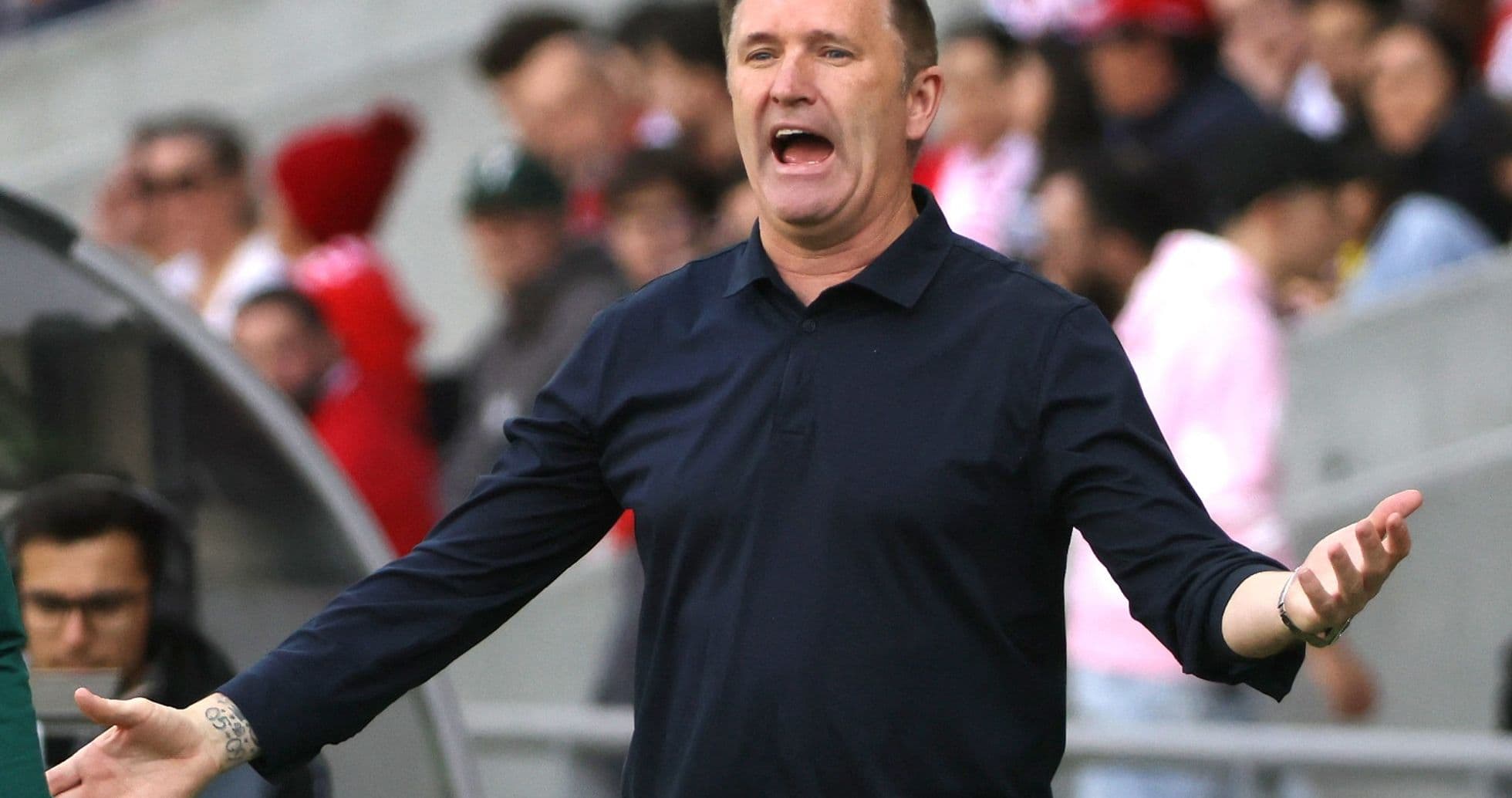
Celtic’s courtship of Robbie Keane has collided head‑on with the club’s politics and identity, igniting a fierce backlash from a significant section of the support.
The former Ireland captain, understood to be the leading contender to take over from interim boss Martin O’Neill after talks with principal shareholder Dermot Desmond, is facing organised opposition from pro‑Palestinian Celtic fans over his recent spell in charge of Maccabi Tel Aviv.
A club legend in waiting – and a fanbase split
On paper, Keane is an easy sell. Ireland’s record goalscorer. A prolific loan spell in Glasgow in 2010, when he hit the net freely and instantly tapped into the club’s sense of romance. A recognisable name with managerial momentum after success in Israel and Hungary.
But the context is very different now.
Keane chose to remain at Maccabi Tel Aviv after the outbreak of the Gaza conflict, a decision that drew criticism in Ireland and hardened attitudes among a vocal portion of Celtic’s support. This is a fanbase that has made its stance on Palestine highly visible: Palestinian flags have become a regular, defiant presence at Celtic Park throughout the war.
The tension has now spilled out onto the streets around the stadium. Graffiti and banners have appeared outside Celtic Park, directly opposing the prospect of Keane taking the job.
Organised resistance
The most forceful pushback has come from a group calling itself “Celtic Fans for the Liberation of Palestine”, which issued a strongly worded statement warning that appointing Keane “would be deeply divisive among the support”.
Their message has gathered weight. The “North Curve Celtic” account on X published a list of 67 groups said to have endorsed the statement, signalling that this is not a fringe complaint but an organised movement within the fanbase.
“Celtic supporters have a long and proud history of solidarity with the Palestinian people,” the statement reads.
“For us, Robbie Keane’s decision to manage Maccabi Tel Aviv during the genocide in Gaza is impossible to ignore.
“To choose to manage a club in Israel while, less than 40 miles away, the same country was using indiscriminate weapons of mass murder against defenceless people is unconscionable.
“Celtic was founded by a community shaped by the legacy of genocide, displacement and famine. Our club’s roots lie in solidarity with those who suffered injustice and oppression.
“We urge the Celtic board to listen to supporters’ concerns and reconsider this appointment.”
For those groups, this is not just about a managerial candidate. It is about what Celtic stands for, and who gets to define that.
Keane’s stance and recent record
Keane took the Maccabi Tel Aviv job in June 2023, several months before the Hamas-led attacks of October 7 that triggered Israel’s bombardment of Gaza. He then stayed in post through the conflict, guiding Maccabi to a league and cup double before resigning in 2024 and moving to Hungarian club Ferencvaros later that year.
He has previously explained that he remained in Israel partly out of responsibility to the staff he had brought with him.
“I have a duty of care,” he said. “My analyst, for example, was at Middlesbrough for 12 years. For him to come with me to Israel and then for me to just walk away, leaving him and his family.”
Those words underline how Keane frames his decision: loyalty to his backroom team, professional obligation, and a commitment to see the season through. For many Celtic supporters, though, the symbolism of staying in Israel during the bombardment of Gaza overrides that rationale.
A delicate call for the Celtic board
All of this lands at the feet of a Celtic hierarchy that has just watched 74‑year‑old Martin O’Neill step in and deliver the Scottish Premiership title on the final day, along with the Scottish Cup. On the pitch, the club is back on top. Off it, they now face a choice that could fracture the mood around the champions before a ball is kicked next season.
Keane remains a leading candidate, a former fan favourite with a growing managerial CV. Yet the strength and organisation of the opposition is impossible to ignore. The banners outside Celtic Park, the coordinated statement, the invocation of the club’s founding principles – they all point to a support determined to be heard.
Celtic wanted a manager. They have instead walked into a test of conscience, identity and power. The next move belongs to the board – and whatever they decide will shape far more than the dugout.