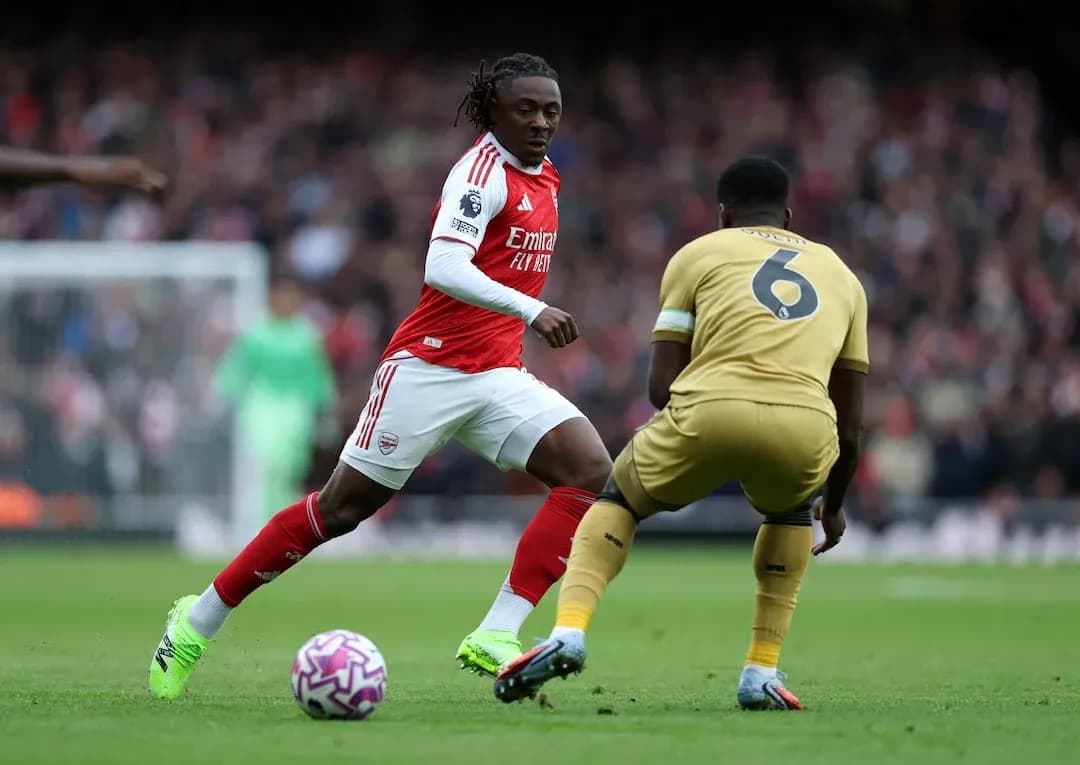
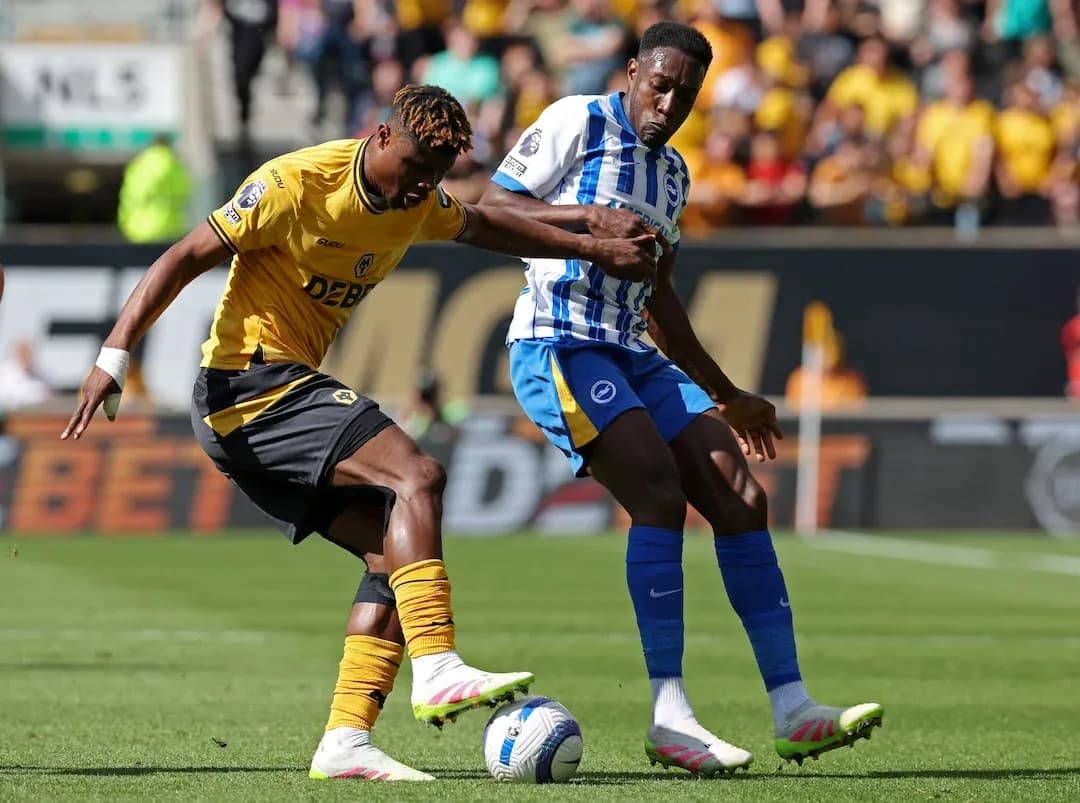
Brighton vs Wolves: Premier League Showdown at Amex Stadium
With three rounds left in the 2025 Premier League, Brighton host Wolves at the Amex Stadium in a high-leverage Regular Season - 36 fixture: Brighton sit 8th on 50 points in the league phase (49 goals for, 42 against), pushing for a strong top-half and potential European-position finish, while bottom-placed Wolves are 20th with 18 points and a -38 goal difference in the league phase (25 scored, 63 conceded), already effectively locked in the relegation zone and playing mainly for pride and damage limitation.
Head-to-Head Tactical Summary
Recent meetings show a tight but Brighton-leaning matchup. On 5 October 2025 at Molineux Stadium in the Premier League (Regular Season - 7), Wolves drew 1-1 with Brighton, with a 1-0 home lead at half-time and Brighton finding an equaliser after the break. On 10 May 2025, again at Molineux in the Premier League (Regular Season - 36), Brighton won 2-0; they led 1-0 at half-time and managed the game efficiently to secure the away victory. At the American Express Stadium on 26 October 2024 in Premier League Regular Season - 9, Brighton and Wolves drew 2-2, with Brighton 1-0 up at half-time before Wolves fought back in an open second half. Just over a month earlier, on 18 September 2024 in the League Cup 3rd Round at the American Express Stadium, Brighton edged a 3-2 win over Wolves, leading 2-1 at half-time in a high-tempo cup tie. In the FA Cup 5th Round on 28 February 2024 at Molineux Stadium, Wolves beat Brighton 1-0, having also been 1-0 ahead at half-time. Overall, both sides have consistently found ways to score against each other, with Brighton slightly more productive at home and Wolves more dangerous in knockout settings.
Global Season Picture
- League Phase Performance: In the league phase, Brighton’s profile is mid-to-upper table: 8th place with 50 points from 35 matches, a positive goal difference of +7, and totals of 49 goals for and 42 against. Their home record is strong (8 wins, 6 draws, 3 losses; 27 scored, 17 conceded), underlining the Amex as a relatively secure base. Wolves, in contrast, are 20th with 18 points from 35 games, a -38 goal difference, and just 25 goals scored against 63 conceded in the league phase. Away from home they have yet to win (0 wins, 5 draws, 12 losses; 7 scored, 30 conceded), highlighting a fragile attack and exposed defense on the road.
- All-Competition Metrics: Across all phases of the competition, Brighton’s numbers mirror their league-phase output: 35 matches, 13 wins, 11 draws, 11 losses, with 49 goals scored and 42 conceded. Their attack is relatively efficient (1.4 goals per game) and the defense reasonably stable (1.2 conceded per game), supported by 9 clean sheets and only 7 games without scoring. Structurally, they are settled, with 4-2-3-1 used in 30 matches, indicating a clear tactical identity. Wolves, across all phases, have 3 wins, 9 draws and 23 losses in 35 games, averaging 0.7 goals scored and 1.8 conceded per match. They have failed to score in 18 games and kept only 4 clean sheets, underlining a blunt attack and vulnerable defense. Their frequent shifts between back-three and back-four systems (notably 3-4-2-1 and 3-5-2) point to tactical instability rather than a refined game model.
- Form Trajectory: In the league phase, Brighton’s recent form string of “LWDWW” signals an upward curve: one defeat followed by a draw and then three wins, suggesting momentum and growing confidence heading into this fixture. Wolves’ league-phase form of “DLLLD” shows a side stuck in decline: three losses, a brief draw, and another defeat. That pattern is consistent with their broader season-long struggle and offers little evidence of a late surge.
Tactical Efficiency
Across all phases of the competition, Brighton’s efficiency profile is that of a balanced, moderately effective side: 1.4 goals scored per match against 1.2 conceded, with a stable 4-2-3-1 framework that supports controlled possession and structured pressing. Their ability to generate chances is reflected in their scoring rate and the fact they rarely fail to score, indicating that their attacking “index” should sit above league average. Defensively, conceding 42 in 35 while maintaining 9 clean sheets points to a defense that is generally solid but can be exposed in transition rather than being outright porous.
Wolves’ all-phase metrics point to a low attacking and defensive index. An attack averaging 0.7 goals per match, with 18 games without scoring, suggests they struggle to convert possession into xG and shots of real value. Defensively, conceding 63 in 35 (1.8 per game) with only 4 clean sheets indicates frequent structural breakdowns and pressure on the back line. Their repeated changes of formation across 35 games underline that the coaching staff have yet to find a stable solution. In a comparison context, Brighton’s attack and defense indices are clearly superior to Wolves’, and at home they should be able to impose their season-long averages, while Wolves’ away numbers (0.4 goals for, 1.8 against) suggest their efficiency drops further when they travel.
The Verdict: Seasonal Impact
For Brighton, this match is a pivotal opportunity to consolidate and potentially elevate their league-phase finish. A win would push them towards the low- to mid-50s in points with two games remaining, strengthening their case for a top-eight finish and keeping outside hopes of European qualification alive, depending on results elsewhere. Dropped points at home to the bottom side, given Wolves’ away record and goal difference, would be a significant setback and could cap their ceiling at a more modest mid-table outcome.
For Wolves, already entrenched in 20th with 18 points and a -38 goal difference in the league phase, the seasonal impact is less about survival and more about damage control and future planning. A positive result at the Amex would not realistically alter the relegation picture but could offer a psychological lift, validate certain tactical choices, and provide a platform for rebuilding in the Championship. A heavy defeat would further confirm the gulf in quality and efficiency between them and stable mid-table Premier League sides, reinforcing the need for structural changes in squad profile and tactical approach ahead of 2026.