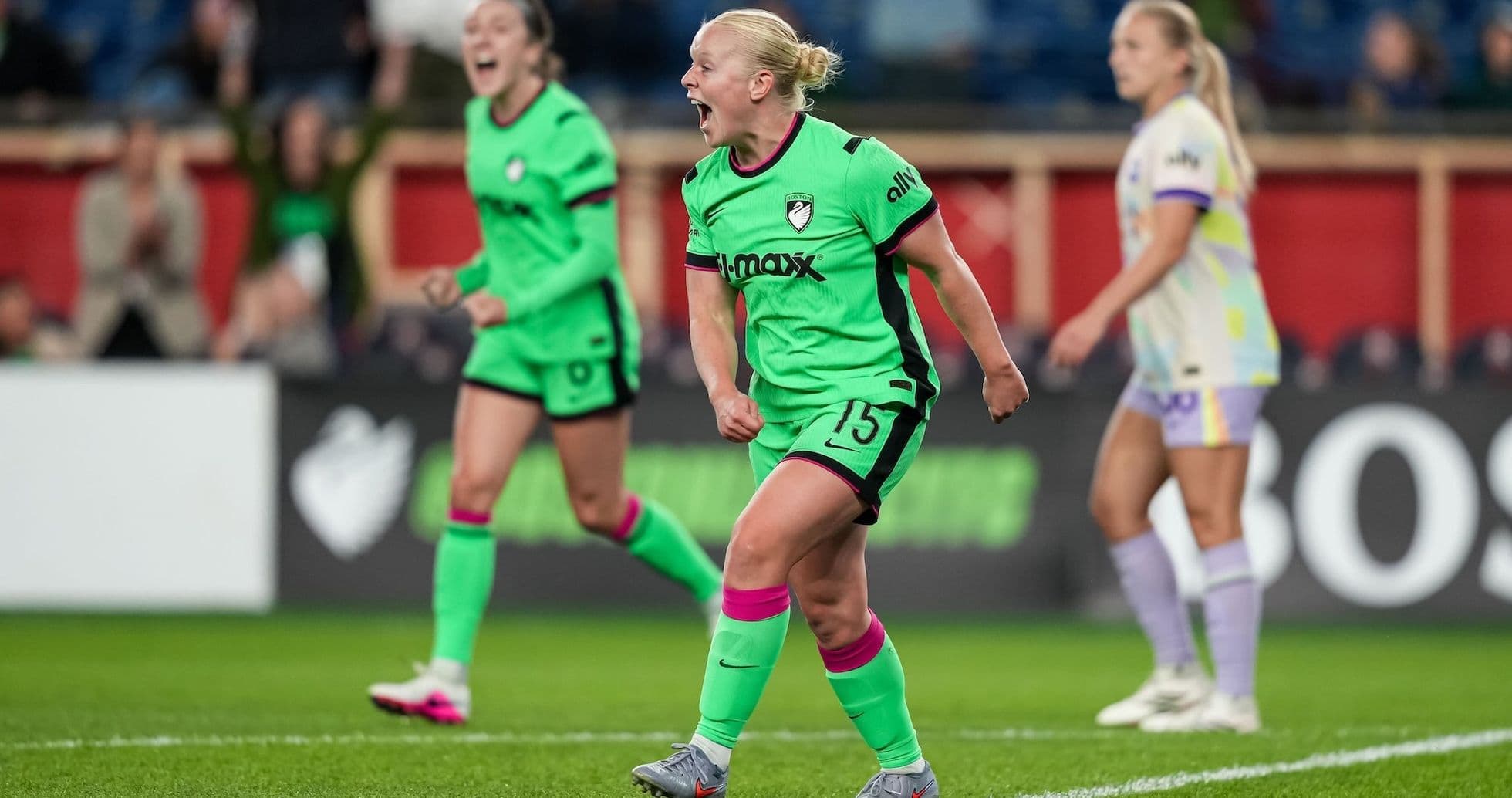
Boston Legacy W Overcomes Orlando Pride W in NWSL Showdown
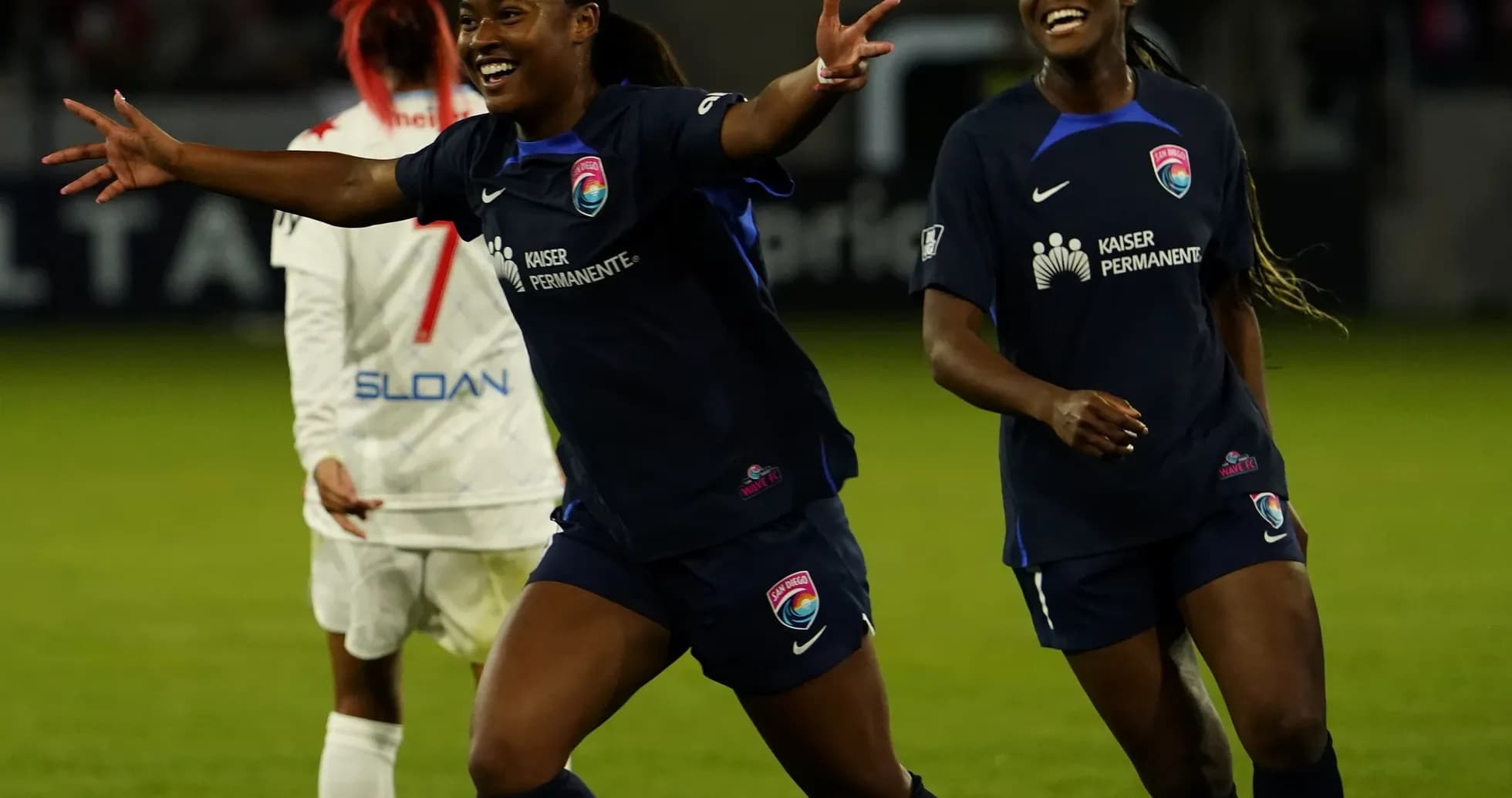
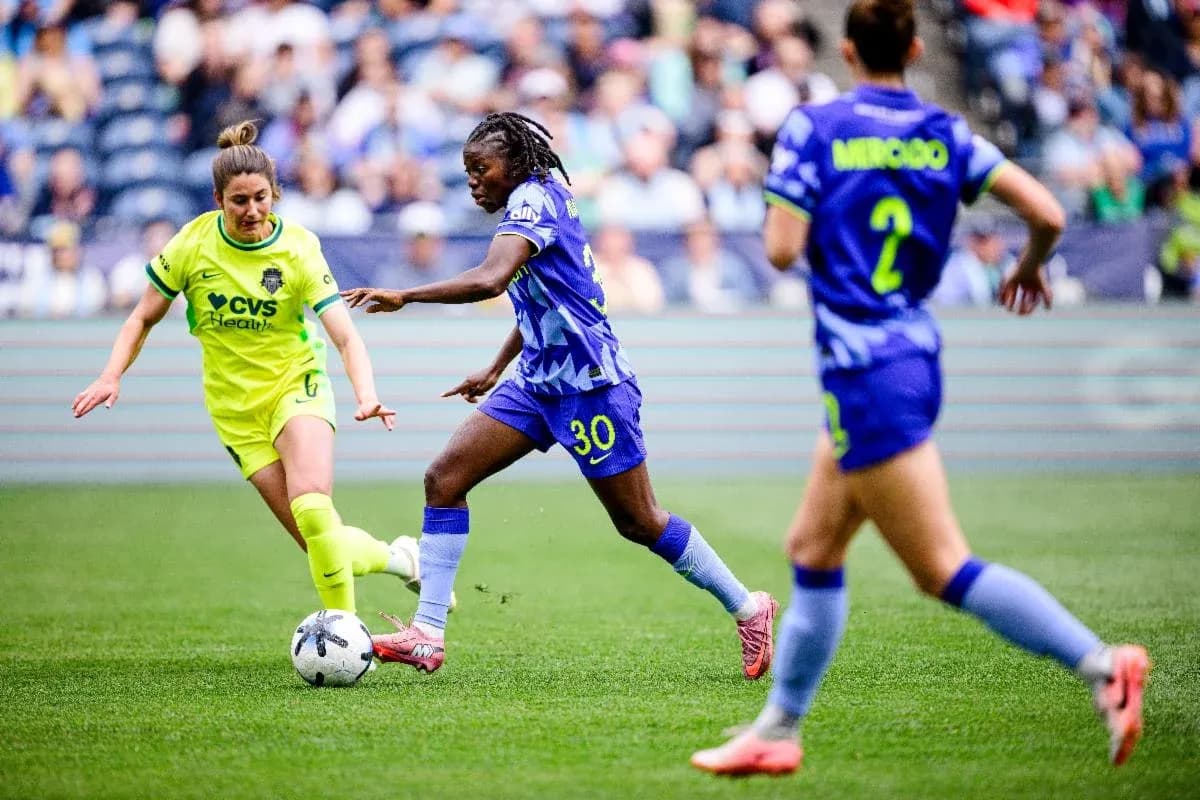
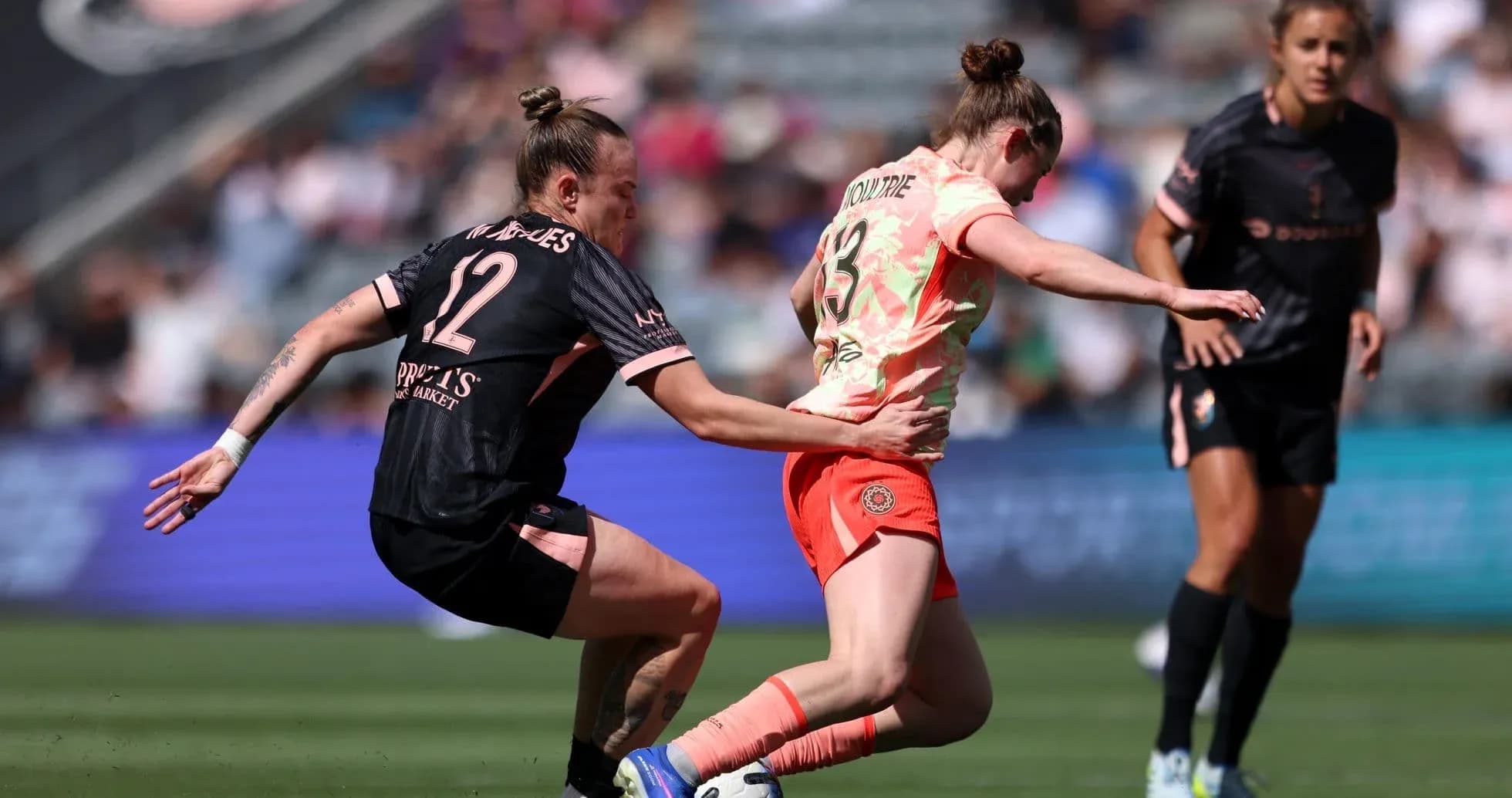
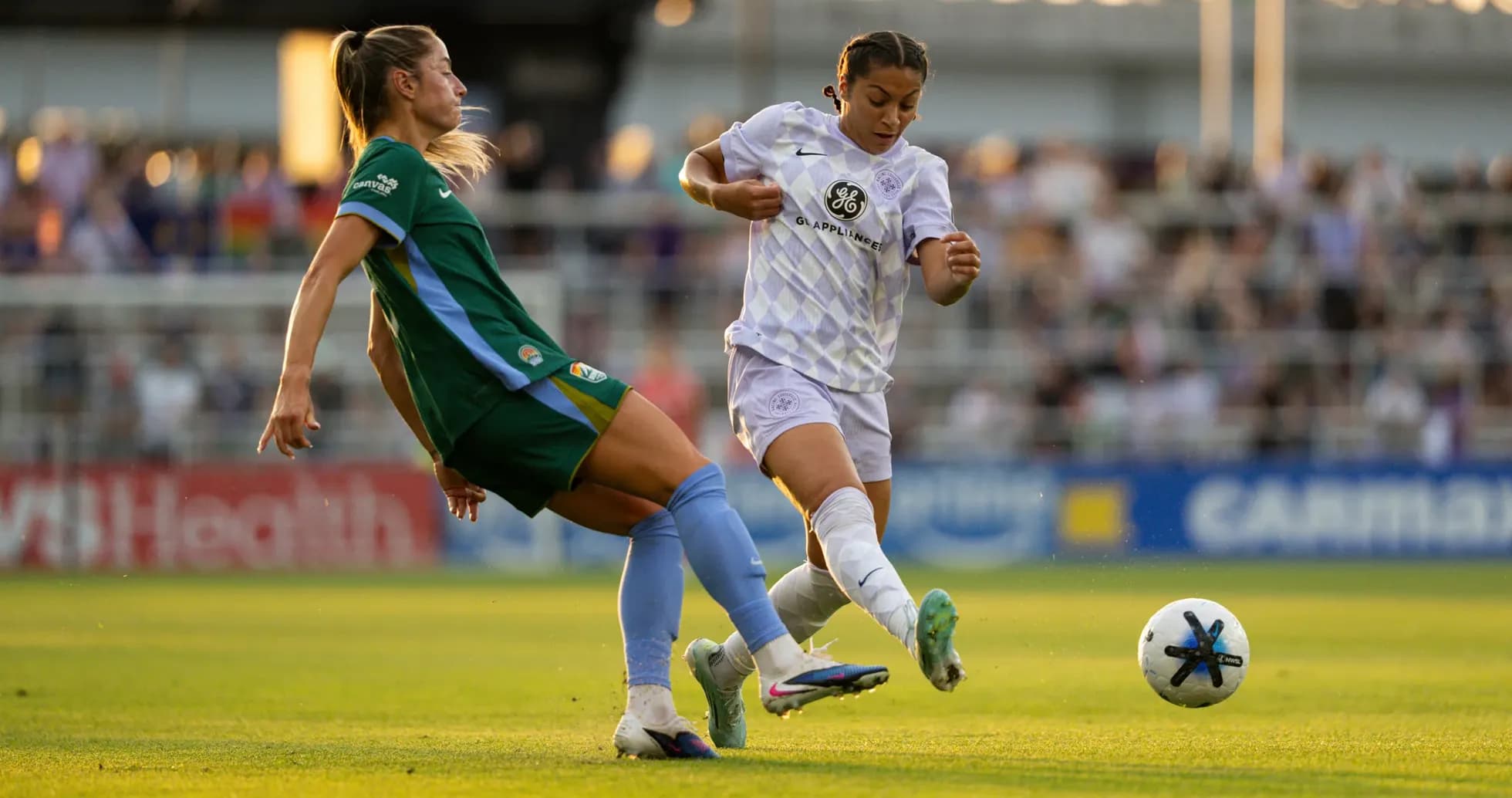
Under the Foxborough lights at Gillette Stadium, Boston Legacy W turned what looked like another hard lesson into a statement of resilience, overturning a 0-1 half-time deficit to beat Orlando Pride W 2-1 in NWSL Women group-stage play. Following this result, the league table still shows the contrast between these sides: Boston sitting 14th with 8 points and a goal difference of -6 overall, Orlando in 7th on 11 points with a neutral goal difference of 0. Yet for ninety minutes, the form book was bent out of shape.
I. The Big Picture – Two Different Footballing Identities
Heading into this game, Boston’s season had been defined by fragility and narrow margins. Overall they had scored 9 and conceded 15 in 9 matches, averaging 1.0 goals for and 1.7 against per game. At home, the picture was slightly brighter: 8 goals scored and 9 conceded across 6 fixtures, with averages of 1.3 for and 1.5 against. They had not kept a single clean sheet overall, and their biggest home win was a chaotic 3-2, underlining how rarely they control games defensively.
Orlando arrived with a clearer, more settled identity. Their 4-2-3-1 had been used in all 9 league fixtures, and overall they had scored 13 and conceded 13, averaging 1.4 goals for and 1.4 against. On their travels, they had been competitive: 6 goals scored and 5 conceded in 4 away matches, with averages of 1.5 for and 1.3 against. This was a side built on structure and balance, underpinned by the league’s most devastating finisher so far: B. Banda, on 7 goals in total with a 7.71 rating and 20 shots on target from 33 attempts.
The opening forty-five at Gillette Stadium reflected those trends. Orlando’s 4-2-3-1, with A. Moorhouse behind a back four of H. Mace, C. Dyke, Rafaelle Souza and O. Hernandez, controlled territory and rhythm. The double pivot of J. Doyle and H. McCutcheon sat beneath a creative band of three – Angelina, Marta and S. Yates – feeding S. Jackson up front. Boston, by contrast, lined up without a declared formation, but their personnel suggested a flexible, hard-running structure: C. Murphy in goal; a defensive line anchored by J. Carabali, Lais and E. Elgin; a combative midfield with A. Cano, A. Karich, J. Hasbo and B. Olivieri; and a mobile front trio of N. Prince, A. Traore and B. St.Georges.
II. Tactical Voids and the Discipline Edge
Both squads were close to full strength; there were no listed absences. The tactical voids, then, were structural rather than personnel-based.
For Boston, the glaring gap this season had been defensive solidity. With 15 goals conceded overall and no clean sheets, they had relied on last-ditch defending and individual heroics. Their card profile underscored a team constantly firefighting: yellow cards spread fairly evenly from 16-90 minutes, with 22.73% between 16-30’, 18.18% in each of the 31-45’, 46-60’, 61-75’ and 76-90’ windows, and a single late red card between 76-90’ accounting for 100.00% of their dismissals. That is a team that lives on the disciplinary edge.
Individually, that edge is personified by A. Traore and J. Carabali. Traore, with 2 goals and 1 assist, is Boston’s most dangerous attacker but also one of the league’s most card-prone forwards, collecting 3 yellows and committing 12-13 fouls across her statistical profiles. Carabali, a central defensive pillar, has 3 yellow cards, 3 blocked shots and 7-11 interceptions, often stepping out aggressively to break play. Alba Caño and A. Karich add further steel, each with multiple yellows and a high volume of tackles and duels.
Orlando, by contrast, have been more measured. Their yellow-card timing shows a clear late-game spike: 25.00% of their yellows come between 61-75’ and another 25.00% between 76-90’, with an additional 16.67% from 91-105’. They tend to finish games on the edge rather than start there, which matched the pattern here as Boston’s late surge forced them into more reactive defending.
III. Key Matchups – Hunter vs Shield, Engine Room vs Enforcers
The headline duel on paper was always “Hunter vs Shield”: B. Banda’s ruthless finishing against a Boston defence that had conceded 1.7 goals per game overall. Banda’s season numbers – 7 goals, 12 key passes, 21 fouls drawn and 22 dribbles attempted – describe a forward who does far more than finish. Even starting on the bench at Gillette Stadium, her presence on the team sheet shaped Boston’s defensive posture. Carabali’s 3 successful blocks and 11 interceptions overall, coupled with Lais’s aerial work and Elgin’s positioning, were clearly tasked with denying space in behind for Orlando’s front line, whether it was Jackson from the start or Banda entering later.
In midfield, the “Engine Room” battle was finely poised. For Orlando, Marta and Angelina are the dual conductors. Marta’s positioning as a central playmaker in the 4-2-3-1 allowed her to float between lines, while Angelina’s role to the side offered progressive carries and late runs. Behind them, Doyle and McCutcheon provided the screen and first pass.
Boston’s response was a rotating triangle of enforcers. Karich, with 453 passes at 85% accuracy and 22 tackles, is the metronome and breaker rolled into one. Alba Caño, with 27 tackles and 65 duels contested, brings relentless pressure and the ability to carry the ball out. Hasbo and Olivieri added legs and vertical runs. The plan was clear: compress the central lane, disrupt Orlando’s short passing, and then spring quickly into the channels for Prince and Traore.
On the flanks, N. Prince’s dual identity – listed as a defender in the seasonal stats but deployed higher here – gave Boston an important outlet. With 2 assists and 10 key passes overall, she has become their most reliable creator. Her willingness to run at full-backs, combined with Traore’s 12-14 shots and 5 on target, stretched Orlando’s back four and gradually pulled their double pivot wider, opening seams for late runners.
IV. Statistical Prognosis – What This Result Tells Us
Following this result, the underlying numbers still frame Orlando as the more balanced side overall: 13 scored and 13 conceded, 3 clean sheets and only 1 match in which they have failed to score. Their away averages of 1.5 goals for and 1.3 against suggest they will continue to be dangerous on their travels. With Banda’s xG profile (implied by 20 shots on target from 33 attempts) and the creative support of L. Ovalle – 2 assists, 12 key passes and 80% passing accuracy – Orlando remain a side built to reach the play-offs.
For Boston, this comeback feels like a pivot point rather than a statistical correction. They still concede too often (15 against overall, 9 at home) and have yet to register a clean sheet. Their red-card history between 76-90’ warns that late-game chaos is never far away. But the spine of Murphy, Carabali, Karich and Alba Caño, plus the direct threat of Traore and the supply of Prince, gives them a clear identity: a high-variance, front-foot team that can hurt better-ranked opponents if the game becomes stretched.
From an Expected Goals perspective, Boston’s season-long average of 1.0 goals for and 1.7 against would normally point towards narrow defeats. This match, however, hinted at a side beginning to outperform that projection at home, leaning on intensity, set-piece threat and transitional moments. Orlando, whose averages of 1.4 for and 1.4 against reflect a team usually aligned with their xG, were dragged into a game state that did not suit their controlled 4-2-3-1.
In narrative terms, Orlando Pride W leave Foxborough still on course for the upper half of the table, but with a reminder that their late-game discipline and defensive management can be exposed by aggressive, emotionally charged opponents. Boston Legacy W, meanwhile, walk away with more than three points: they have proof that their rugged, card-streaked, high-energy identity can bend the league’s hierarchy, especially at Gillette Stadium, where 8 home goals overall now feel like the foundation for a genuine fortress rather than a statistical anomaly.