Barcelona's Influence in the Biggest World Cup Ever
This World Cup will be the biggest ever staged. It may also be the most Barça-soaked tournament the game has ever seen.
Across the United States, Mexico and Canada, culers will find a familiar face almost everywhere they look. On the pitch. On the touchline. In the past lives of star names who once passed through La Masia. This is not just a global showpiece; it is a rolling showcase of Barcelona’s reach.
Sixteen in the here and now
Start with the present. Sixteen current FC Barcelona players, spread across eight national teams, have made it to this World Cup. That level of representation would be impressive in any era; in a tournament of this size, it underlines the club’s ongoing status as a talent factory for the elite.
They will carry different flags and sing different anthems, but they share the same dressing room back in Catalonia. For Barça supporters, that means a World Cup where “neutral” games barely exist. There is almost always someone to follow, some small piece of the club stitched into the spectacle.
And that is only the beginning.
Messi, Neymar, and a constellation of ex-Blaugrana
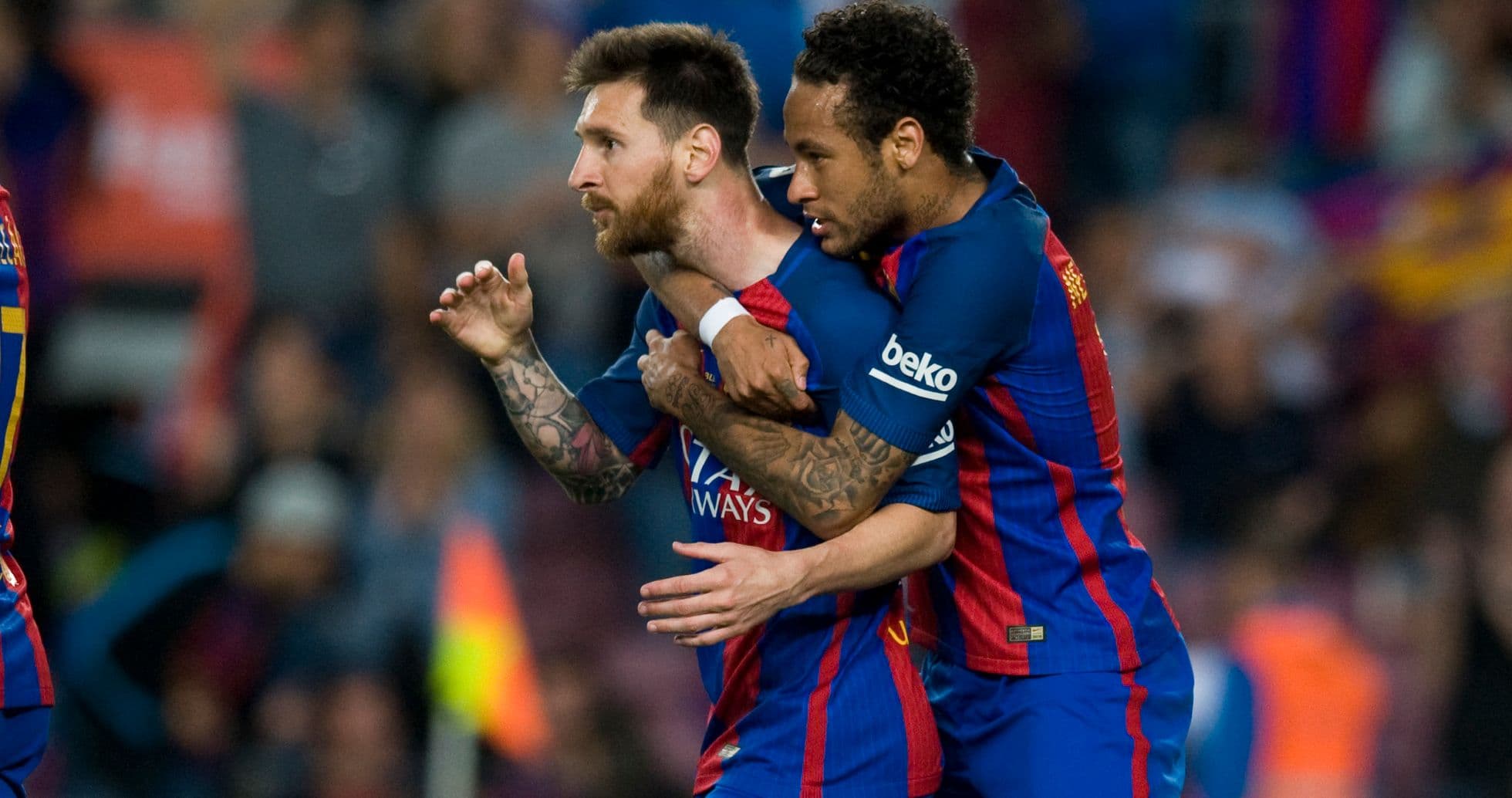
The most luminous link is obvious. Leo Messi returns as defending champion with Argentina, still the central figure of a side that conquered the world in 2022. His shirt has changed. His legend has not.
France, runners-up in that final, arrive with the current Ballon d’Or holder Ousmane Dembélé among their leading lights. The winger’s Barcelona chapter is closed, but his acceleration and unpredictability remain the same. He is not alone in carrying Barça’s imprint in that squad: Lucas Digne, another former Blaugrana, is there, and so is Marcus Thuram, son of Lilian Thuram, who once patrolled the Camp Nou back line. Marcus himself spent time at the FCB Escola during his father’s spell at the club, a reminder of how deep those roots can run.
Portugal offer another strong thread. João Félix, Francisco Trincão and Nélson Semedo all wear their country’s colours here, each with a Barcelona connection in their past or present. They share a group with Colombia, where Yerry Mina, remembered for his towering frame and aerial dominance in a Barça shirt, anchors the defence.
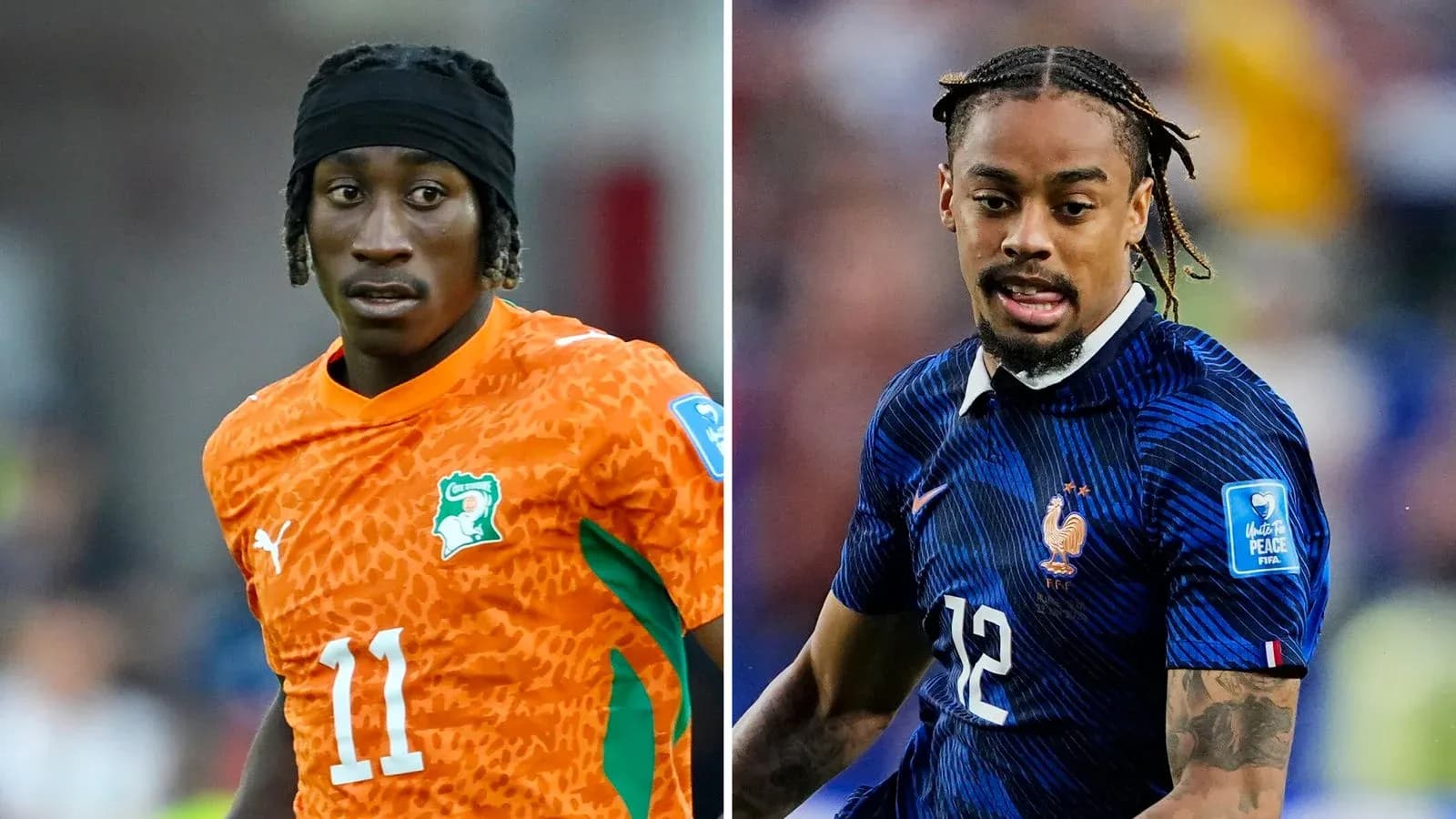
The links keep coming. Franck Kessié is a key figure for Côte d’Ivoire, a midfielder whose physical presence and timing in the box make him essential. For the United States, one of the host nations, Sergiño Dest is expected to lock down the right flank, his attacking instincts perfectly suited to a team eager to express itself on home soil.
Then there is Neymar. One of the major attractions of this World Cup is his return to the Brazil squad, two and a half years after his last call-up. An injury will keep him out of the opening match, but his status remains untouched. The Santos forward is still one of the tournament’s defining icons, a player whose every touch will be weighed against the memories of what he once did in a Barcelona front three that terrified Europe.
Another gifted attacker with Barça in his story is Memphis Depay. Now also playing his club football in Brazil, he carries a central role in Ronald Koeman’s Netherlands side, one of the main attacking threats in a team that still leans heavily on his finishing and invention.
Blaugrana on the bench
The Barcelona presence is not confined to the pitch.
Ronald Koeman, the hero of Wembley ’92 with that famous free-kick, leads the Netherlands from the dugout. His relationship with Barça spans decades, and his current work with the Oranje adds another chapter to a career permanently intertwined with the club’s history.
He is one of three national team coaches at this World Cup with Barça ties. Julen Lopetegui takes charge of Qatar, steering one of the tournament’s least traditional footballing nations, while Thomas Christiansen does the same with Panama. Both carry the experience and ideas shaped, in part, by time spent in the Barcelona orbit.
Injuries and opportunity
Not every story is straightforward. Like Neymar, Ez Abde will also miss his team’s opening game through injury. For Morocco, that is a significant blow. He comes into the tournament as one of their most in-form players, a winger capable of changing games with a single surge.
Morocco will still lean heavily on another Barça-bred talent: centre-back Chadi Riad. A product of the club’s youth system, he is expected to feature prominently for the North Africans, bringing composure and schooling from La Masia to the international stage.
From La Masia to the world
Riad is far from alone. This World Cup is littered with players shaped in Barcelona’s academy.
Spain’s two left-backs, Marc Cucurella and Alejandro Grimaldo, both came through La Masia. Their styles differ, but the schooling is unmistakable in their positioning and comfort on the ball. Spain also count on young winger Víctor Muñoz, currently recovering from injury yet still part of the picture, another academy product whose development has taken him to the brink of the sport’s biggest stage.
Uruguay defender Santi Bueno, schooled in the same system, brings that background to a national team built on grit and aggression. Japan’s Take Kubo, a winger with sharp feet and sharp ideas, also carries the imprint of Barça’s academy years into a side that has grown used to upsetting established powers.
Paraguay’s leading striker, Antonio Sanabria, once wore the La Masia badge as well. So did South Korea midfielder Seung-Ho Paik, long regarded as one of the brightest prospects in Barcelona’s youth ranks. Their careers have taken them far from Catalonia, but the connection remains.
Look across the squads, and the pattern is relentless. Shirts of different colours, flags from every corner of the globe, but the same formative influence repeating again and again.
In a World Cup already billed as the biggest in history, Barcelona’s footprint is everywhere. The question now is not whether culers will find a reason to watch. It is which Barça story will define this tournament when the final whistle blows.