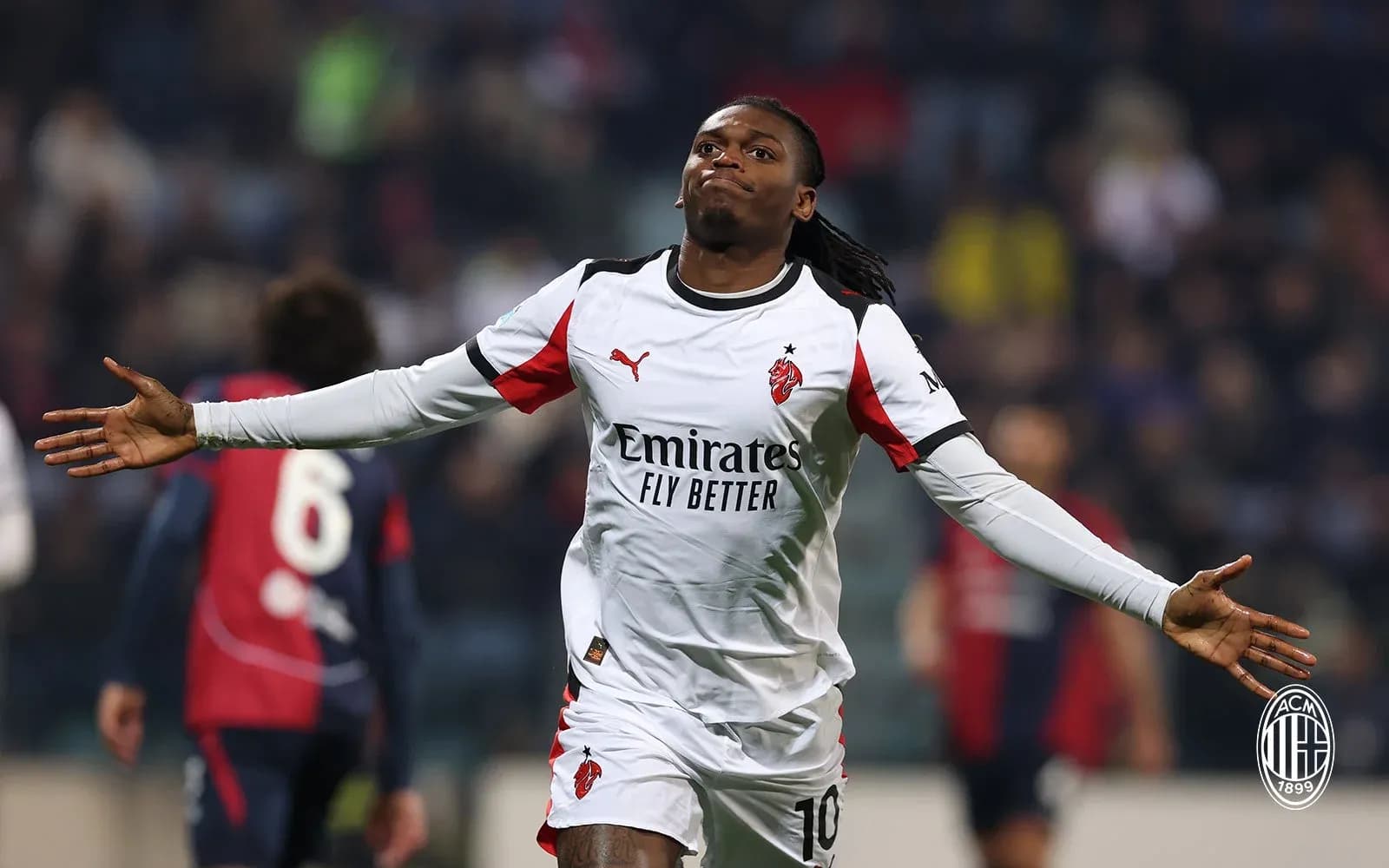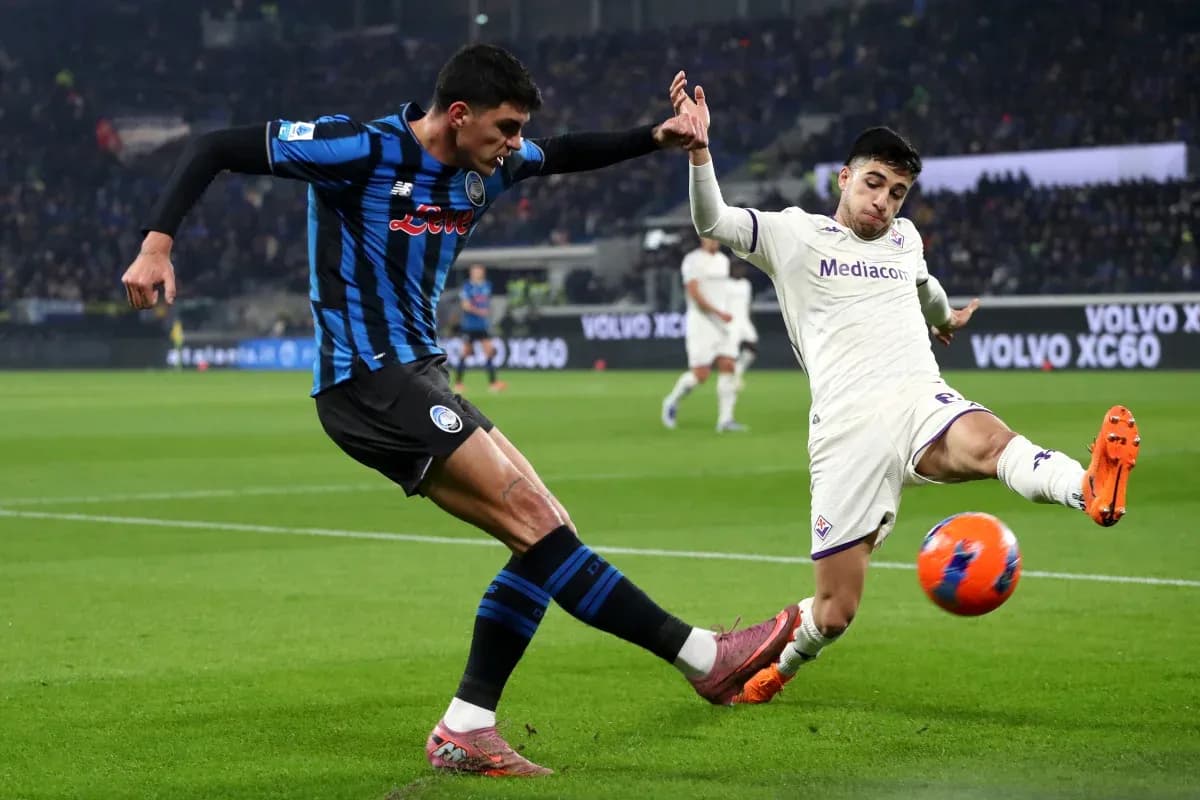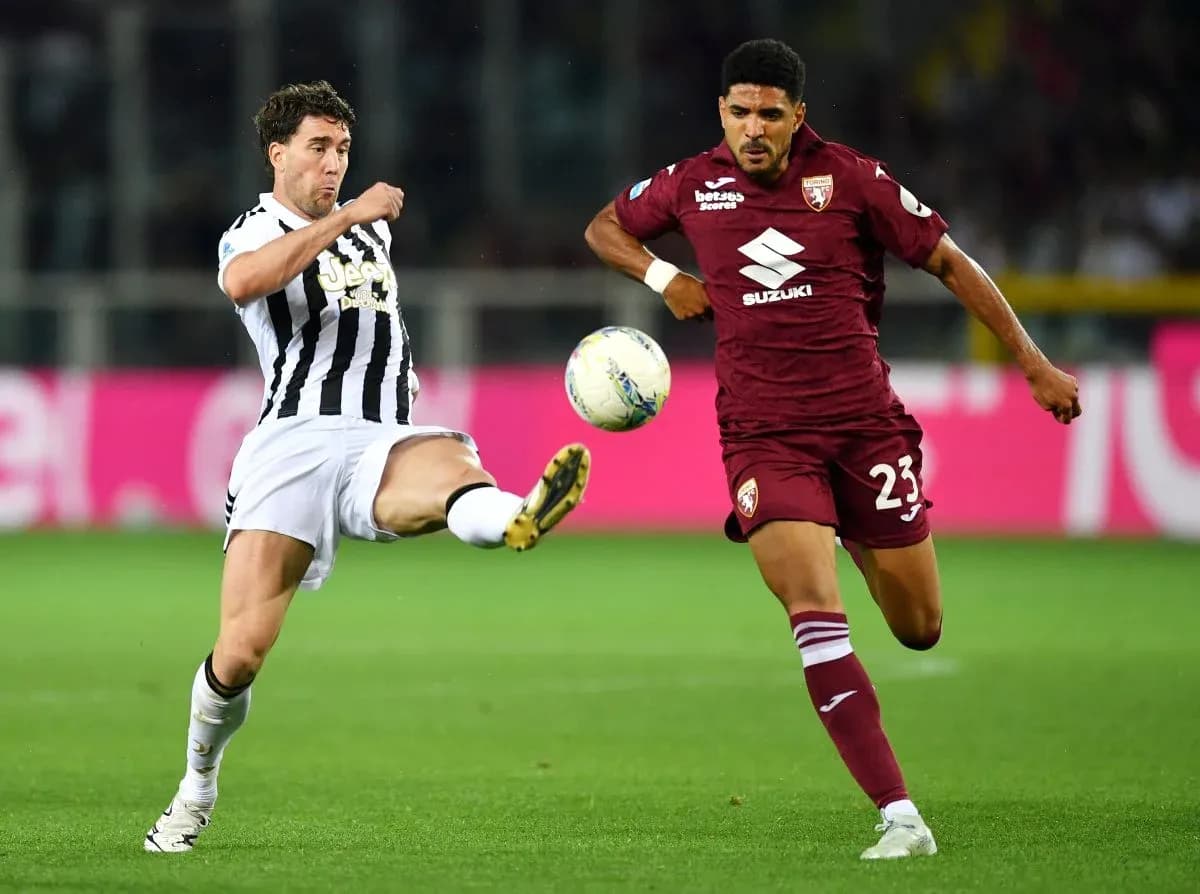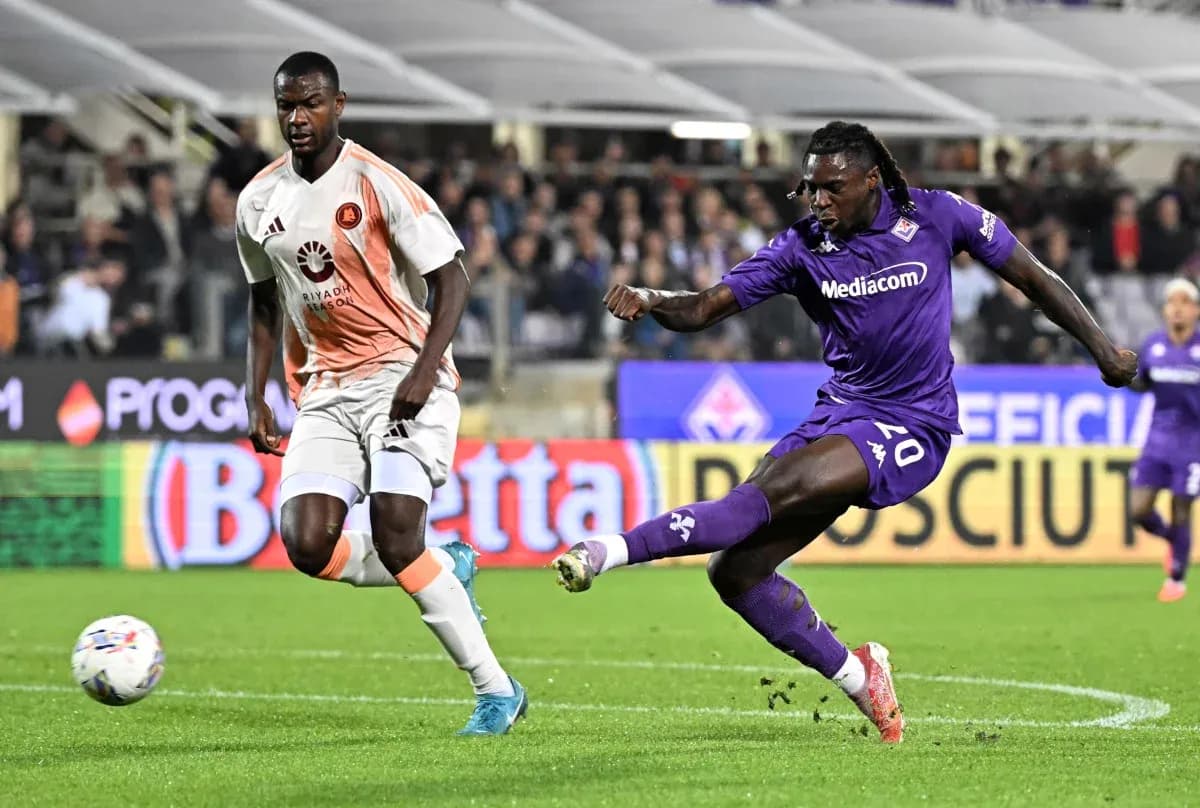
AS Roma Dominates Fiorentina 4-0 at Stadio Olimpico
Under the lights of the Stadio Olimpico, this Serie A night told a story of a side perfectly aligned with its seasonal identity. AS Roma, fifth in the table on 64 points heading into this game, arrived as one of the league’s most reliable home machines. Fiorentina, 16th with 37 points and a negative goal difference of -11 overall (38 scored, 49 conceded), came to Rome with survival still not mathematically secured and an away record that has too often betrayed them.
Roma’s 4-0 win – 3-0 by half-time – was not a surprise in scale so much as in its ruthless clarity. This was the logical extension of a campaign in which Roma have averaged 1.7 goals at home while conceding just 0.6, building a total goal difference of +23 overall from 52 scored and 29 conceded. Fiorentina, by contrast, stepped into the Olimpico with away numbers that hinted at danger: only 1.0 goals scored on their travels against 1.6 conceded.
I. The Big Picture – Structure and Intent
Piero Gasperini Gian doubled down on Roma’s season-long blueprint, rolling out the familiar 3-4-2-1 that has been used in 27 league matches. M. Svilar stood behind a back three of M. Hermoso, E. Ndicka and G. Mancini, with Z. Celik and Wesley Franca stretching the flanks. Inside, N. Pisilli and M. Kone formed a high-energy, ball-hunting axis, while M. Soulé and B. Cristante operated in the half-spaces behind lone striker D. Malen.
Across from them, Paolo Vanoli’s Fiorentina chose a 4-3-3, one of several shapes they have rotated through this season. D. de Gea was shielded by a back four of Dodo, M. Pongračić, L. Ranieri and R. Gosens. The midfield trio of M. Brescianini, N. Fagioli and C. Ndour was asked to knit transitions and resist Roma’s aggressive central pressure, with J. Harrison and M. Solomon flanking A. Guðmundsson in attack.
The clash of structures was stark: Roma’s three centre-backs plus double pivot against Fiorentina’s lone holding midfielder and a back four that has already conceded 29 goals away from home. Roma’s season-long xG profile is not provided, but their scoring volume and low concession rate at home suggest a side that regularly tilts the pitch and sustains pressure. That is exactly what unfolded.
II. Tactical Voids – Absences and Discipline
Both squads entered the fixture with notable absences that shaped the match’s emotional and tactical undertone.
Roma were without A. Dovbyk (groin injury), E. Ferguson (ankle), B. Zaragoza (knee) and the creative presence of L. Pellegrini (thigh), while N. El Aynaoui missed out due to yellow-card suspension. On paper, that strips Roma of a classic penalty-box reference and an advanced playmaker. In practice, it pushed even more responsibility onto Malen and Soulé – and they responded.
Fiorentina’s own losses were equally significant in terms of depth and rotation: L. Balbo (injury), N. Fortini (back), M. Kean (calf), T. Lamptey (knee) and R. Piccoli (muscle) all missed out. Kean’s absence removed Fiorentina’s leading league scorer – 8 goals overall with 2 penalties converted – and their most direct vertical outlet. Without him, Vanoli had to lean on Guðmundsson as the central reference, asking him to both link and finish.
Disciplinary trends also framed the risk profile. Roma’s yellow cards peak between 46-75 minutes, with 23.08% of their cautions in each of the 46-60 and 61-75 ranges, and their two reds this season both arriving between 46-75. Fiorentina, meanwhile, are notoriously volatile late: 25.00% of their yellows fall in the 76-90 range, and both of their reds have come in that same 76-90 window. In a match where Roma raced ahead early, those patterns hinted at a second half where Fiorentina might lose composure rather than mount a controlled comeback.
III. Key Matchups – Hunter vs Shield, Engine Room
The “Hunter vs Shield” duel was embodied by D. Malen against the Fiorentina back line. Malen came into this round as one of Serie A’s sharpest finishers: 11 goals in 15 league appearances, with 2 penalties scored and none missed, from 40 shots (24 on target). His movement across the front line, supported by Soulé and Cristante, constantly targeted the channels around Pongračić and Ranieri.
Pongračić, Serie A’s leading yellow-card collector with 11 bookings, is an aggressive front-foot defender who has blocked 23 shots and made 34 interceptions. But his tendency to step out, combined with Fiorentina’s away average of 1.6 goals conceded, left seams for Malen to exploit. Whenever Roma broke Fiorentina’s first line, Malen dragged centre-backs wide, creating space for late runners like Cristante and the wing-backs to attack the box.
In the “Engine Room”, M. Soulé’s creative influence was decisive. Across the season he has 5 assists and 6 goals, underpinned by 43 key passes and 918 total passes at 83% accuracy. Operating between the lines, Soulé repeatedly found pockets behind Fagioli and Brescianini. Fiorentina’s midfield trio, on paper balanced, struggled to compress the vertical space, allowing Soulé to dictate tempo and angle Roma’s attacks.
On the other side, Guðmundsson – with 5 goals, 4 assists and 31 key passes – was meant to be Fiorentina’s answer. But Roma’s back three, anchored by Mancini, suffocated his influence. Mancini’s season numbers tell the story: 50 tackles, 13 blocked shots and 44 interceptions, plus 9 yellow cards that underline his willingness to play on the edge. Here, his timing and positioning denied Fiorentina the central combinations they needed to destabilise Roma’s structure.
IV. Statistical Prognosis – Why 4-0 Made Sense
Following this result, the scoreline felt like the statistical and tactical convergence of both teams’ seasonal arcs. Roma, with 12 home wins from 18 and 10 clean sheets at the Olimpico, simply extended their pattern: controlled aggression, territorial dominance, and defensive stability that has allowed just 10 home goals all campaign. Their penalty record – 4 out of 4 converted overall, with no misses – underlines a clinical mentality that was mirrored in open play here.
Fiorentina’s away fragility, by contrast, was ruthlessly exposed. On their travels they have won only 4 of 18, drawing 6 and losing 8, with 18 goals scored and 29 conceded. Their tendency to concede in clusters and their late-game disciplinary spikes meant that once Roma surged to 3-0 by half-time, the visitors lacked both the structural solidity and emotional control to stage a response.
In narrative terms, this was a match where Roma’s well-defined identity – three at the back, wing-backs high, a creative 10 in Soulé and a ruthless finisher in Malen – met a Fiorentina side still searching for a stable shape and missing its most direct striker. The numbers had been pointing this way all season; at the Olimpico, they simply came to life on the scoreboard.