Uruguay's World Cup Start Faces Chaos at Airport
Uruguay’s World Cup campaign had not even begun when it ran into trouble. Not on the pitch. At the airport.
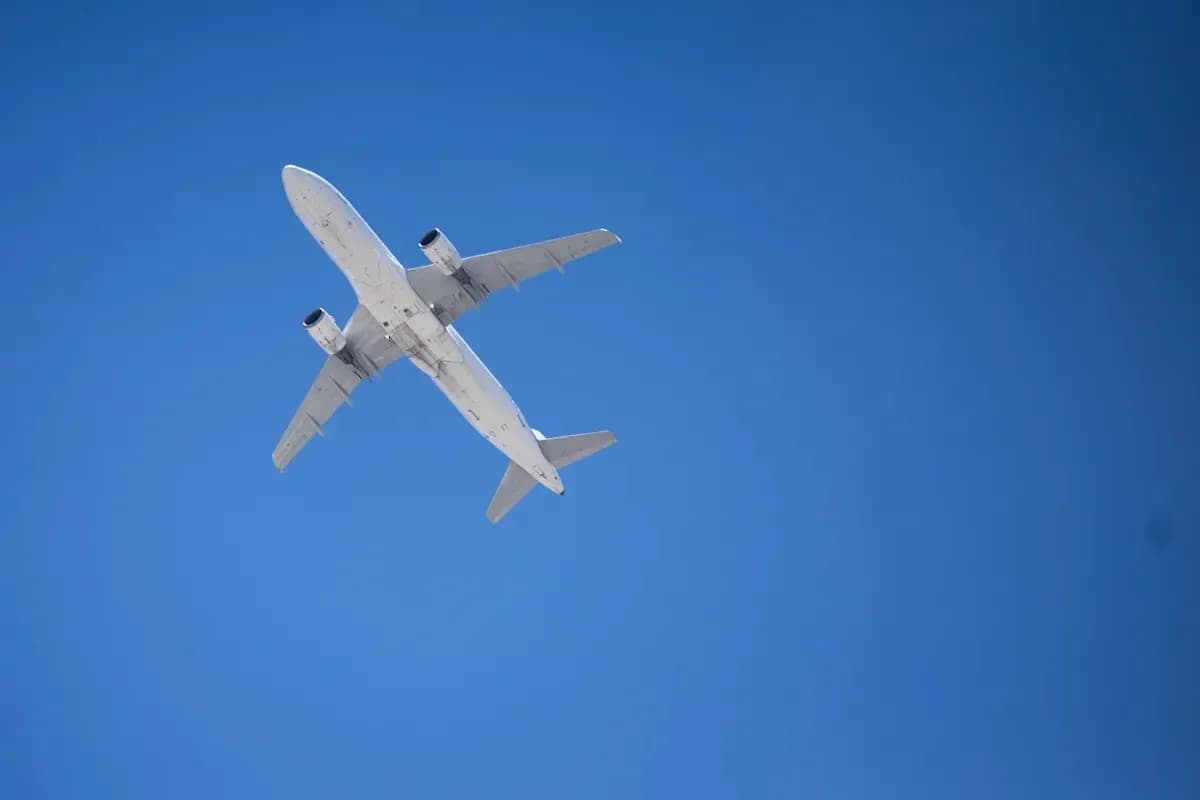
Less than a day before their opener, Marcelo Bielsa’s side found themselves stranded in Mexico, their carefully planned route to Miami abruptly grounded. The flight from Cancún was unable to take off because of missing documents for the overland segment of the journey, a bureaucratic snag that turned into a full-blown logistical mess.
La Celeste stayed put at their base camp in Playa del Carmen while the blame game started.
The Uruguayan Football Association (AUF) pointed towards FIFA when questioned by The Guardian. A federation spokesperson confirmed it was an issue beyond their control: the departure from Mexico had been delayed due to circumstances outside the AUF’s remit. Hours slipped by as officials worked frantically behind the scenes to find a way out.
FIFA, though, pushed the responsibility in a different direction. Speaking to ESPN, world football’s governing body made it clear it believed the airline had erred. The carrier, FIFA said, had apologized for the inconvenience. FIFA stressed it had remained in close contact with Uruguay’s national team and, alongside the airport and other partners, had scrambled to sort out the problem as quickly as possible.
Finger-pointing did nothing to restore the lost hours.
For Bielsa’s players, it was the worst kind of build-up to a World Cup opener, this one against Saudi Arabia. The routine of elite preparation – sleep cycles, meal timings, tactical meetings – depends on precision. Instead, Uruguay’s squad waited and wondered.
The disruption even reached the media schedule. The planned pre-match press conference with Bielsa and captain José María Giménez was scrapped, denying the team a chance to set the tone publicly before their first game.
Bielsa, typically unflustered in the face of chaos, downplayed the impact. He insisted the circumstances “did not cause a problem,” a clear attempt to shield his players from excuses and external noise.
Giménez offered a more candid assessment. The defender admitted, “We had a few complications and it was difficult.” The journey had turned into an ordeal, though he underlined that the squad had made the best of it, using the extended stay at the hotel to rest and recover.
Eventually, a replacement flight was arranged. Uruguay did get out. But they arrived with a significant delay and a preparation schedule stretched out of shape.
Whether this episode becomes a mere footnote or an early turning point in Uruguay’s World Cup story will be decided not in airport lounges, but under the lights against Saudi Arabia.