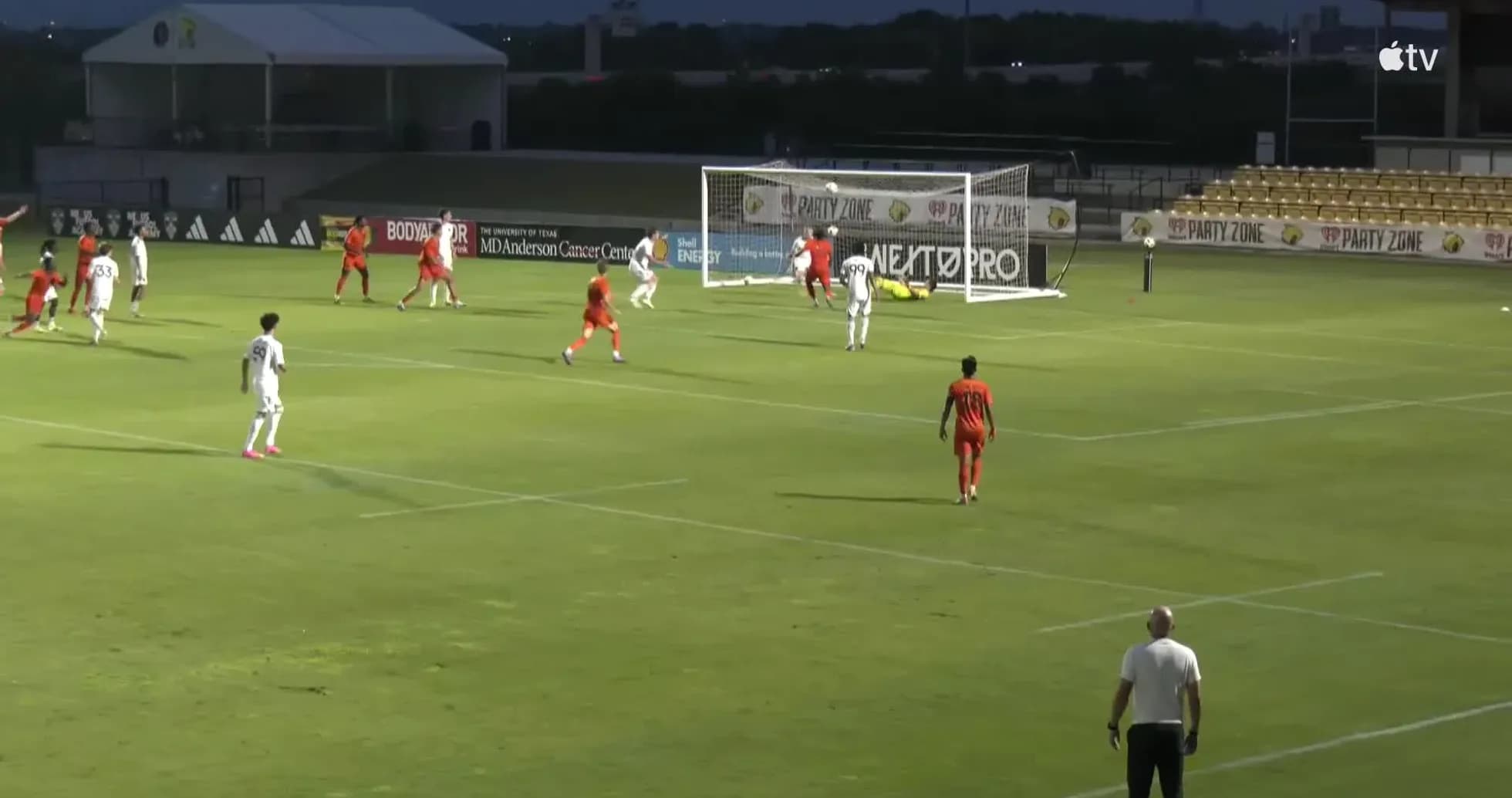
St. Louis City II vs Houston Dynamo FC II: High-Stakes MLS Next Pro Clash
CITYPARK stages a heavyweight MLS Next Pro clash on 9 May 2026 as St. Louis City II host Houston Dynamo FC II in a meeting between two of the early pace-setters. Both sides sit on 23 points in the Eastern Conference, Houston top and St. Louis second, and both are on course for the play-offs (1/8-finals). This is as close as it gets to a benchmark fixture in the group stage.
Across all phases, St. Louis have 8 wins from 9, while Houston boast a perfect 8 wins from 8. The stakes are clear: control of the Frontier Division, a psychological edge in the conference, and a chance to measure two of the league’s most aggressive, front-foot sides against each other.
Form and statistical landscape
In the league, St. Louis City II arrive with a form line of LWWWW, recovering impressively from their only defeat. At CITYPARK they have been flawless: 5 wins from 5, 13 goals scored and 5 conceded. Season-wide across all phases, they have 22 goals in 9 matches (2.4 per game) and concede at a rate of 1.0 per game. The attacking numbers at home are striking: 15 goals in 5 fixtures, an average of 3.0, backed by a “biggest home win” of 4-0 and a maximum home haul of 4 goals in a single match.
Houston Dynamo FC II’s numbers are even more imposing. In the league they are 8 from 8 with a goal difference of +17 (20 scored, 3 conceded). Their form line is WWWWW and across all phases they average 2.6 goals scored per game and just 0.4 conceded. At home they have been watertight (13 scored, 0 conceded), but the away record is just as efficient: 4 wins from 4, 7 scored and only 3 against. Their biggest wins include a 5-0 home victory and a 1-3 away success, underlining their ability to impose themselves in different contexts.
Both teams are on eight-game winning streaks across all phases, which sets up a fascinating test of whose structure and mentality holds up under direct pressure from a peer rather than a chaser.
Tactical themes: two aggressive blueprints
With no injury data provided, both coaches can be assumed to have close to full squads and, crucially, the freedom to double down on their core ideas.
For St. Louis City II, the statistical profile points to a high-tempo, attack-first approach at CITYPARK. Averaging 3.0 goals for and 1.0 against at home, they accept a degree of defensive risk to keep numbers high in the final third. Their “biggest goals for” figures – 4 at home, 3 away – suggest a side comfortable committing bodies forward and capable of multi-goal surges when they find rhythm.
However, the defensive data also hints at vulnerability. Nine goals conceded in nine matches overall, and only three clean sheets, show that they can be opened up. The card distribution is telling: 6 yellow cards between minutes 46-60 (35.29% of their total) and red cards clustered between 46-75 minutes. That suggests a team that plays on the edge in the second half, pressing aggressively and sometimes overstepping. Against a ruthless counter-attacking opponent, that intensity can be both weapon and weakness.
Houston’s tactical signature is different in balance. Their defensive platform is elite: 3 goals conceded in 8 matches, with 5 clean sheets, including 4 at home and 1 away. Conceding just 0.8 per game on the road, they are built to absorb pressure and break with precision. Offensively, an average of 2.0 away goals per game reflects controlled, efficient attacking rather than all-out chaos.
Their disciplinary profile is more spread out. Yellow cards rise late in games (22.73% between 61-75 minutes and another 22.73% between 76-90), which fits a pattern of game management: strong challenges and tactical fouls as they protect leads or disrupt momentum. The absence of red cards so far underlines a controlled aggression that contrasts with St. Louis’ more volatile second halves.
Both sides have converted their only penalties of the season, so set-piece duels in the box could be decisive if the match becomes stretched and tackles grow riskier.
Head-to-head: fine margins and familiar patterns
The last five competitive meetings between these sides, all in MLS Next Pro, underline how thin the margins have been:
- On 1 September 2025 at SaberCats Stadium, Houston Dynamo FC II 2-2 St. Louis City II (4-3 on penalties) – Houston won after a shootout.
- On 28 June 2025 at CITYPARK, St. Louis City II 1-0 Houston Dynamo FC II – St. Louis won in regular time.
- On 4 May 2025 at CITYPARK, St. Louis City II 3-1 Houston Dynamo FC II – St. Louis won in regular time.
- On 12 August 2024 at SaberCats Stadium, Houston Dynamo FC II 1-1 St. Louis City II (4-2 on penalties) – Houston won after a shootout.
- On 16 June 2024 at CITYPARK, St. Louis City II 1-0 Houston Dynamo FC II – St. Louis won in regular time.
Across these five competitive fixtures, St. Louis have three wins (all at CITYPARK), Houston have two wins (both on penalties at SaberCats Stadium), and there have been no draws in regular time. The pattern is clear: St. Louis tend to edge the home meetings, while Houston have found a way in Houston, even when the 90 minutes were level.
For this match, the venue matters. CITYPARK has been a difficult trip for Houston historically, and St. Louis’ current 5/5 home record reinforces that trend.
Key battles and tactical pivots
Without individual scorer data for 2026, the focus shifts to structural duels:
- St. Louis attack vs Houston defensive block: St. Louis’ 15 home goals meet a defence that has conceded only 3 in 8 matches overall. The home side will likely look to stretch Houston horizontally, using width and quick combinations to pull the back line out of its compact shape. Houston’s record of a maximum 1 goal conceded away in any game suggests they rarely get dragged into open shootouts.
- Houston transitions vs St. Louis high-risk phases: St. Louis’ card spikes and red cards between 46-75 minutes point to aggressive pressing after half-time. Houston, with their clean away record and 3 goals conceded on the road, are well equipped to exploit any overcommitment, especially if St. Louis chase the game or continue pressing with a lead.
- Game state management: Both teams have shown they can hold leads and close out matches. Houston’s late yellow card pattern indicates a readiness to break rhythm and slow games down. St. Louis, with fewer clean sheets, may rely more on continuing to attack rather than sitting on narrow advantages.
The verdict
On form and numbers, this looks like a meeting of the league’s most balanced side (Houston) against perhaps its most explosive home team (St. Louis). Houston’s perfect record and outstanding defensive metrics suggest they are marginally more complete across all phases. Yet the context of CITYPARK, where St. Louis are 5/5 this season and have won all three of the last head-to-heads in St. Louis, levels the equation.
Expect a tight, high-quality contest where the first goal carries enormous weight. St. Louis’ attacking volume at home makes it likely that Houston will concede more chances than usual, but Houston’s structure and away efficiency give them a strong platform to counter.
A narrow result either way feels more plausible than a blowout. With the data pointing to St. Louis’ historical edge at CITYPARK and Houston’s current defensive superiority, a high-intensity, tactical battle with 1-1 or a one-goal margin to either side is the logical expectation, and whichever team handles the second-half intensity and discipline better should emerge with a statement win in the race for play-off seeding.