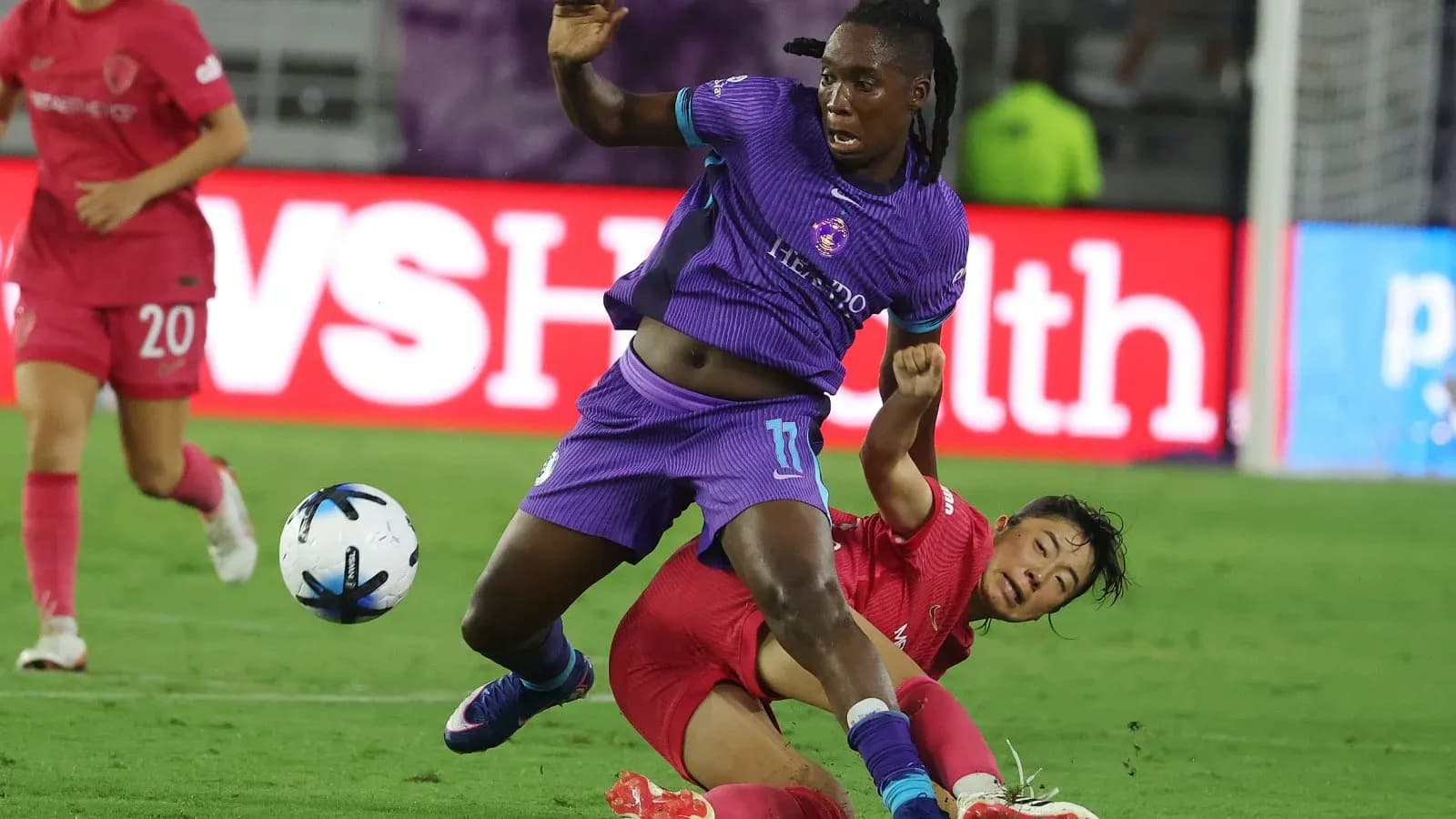
Orlando Pride W Triumphs Over North Carolina Courage W 1–0
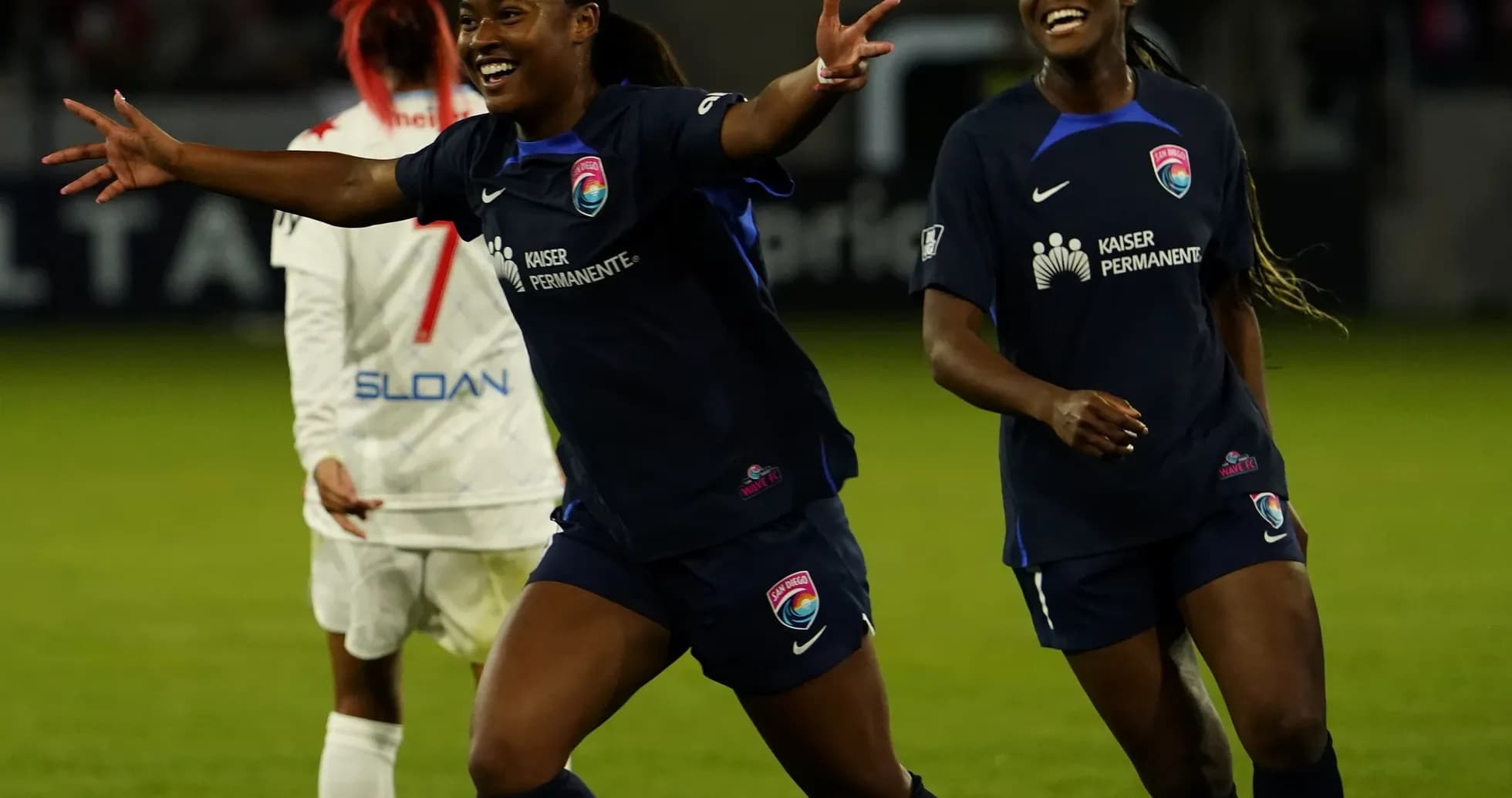
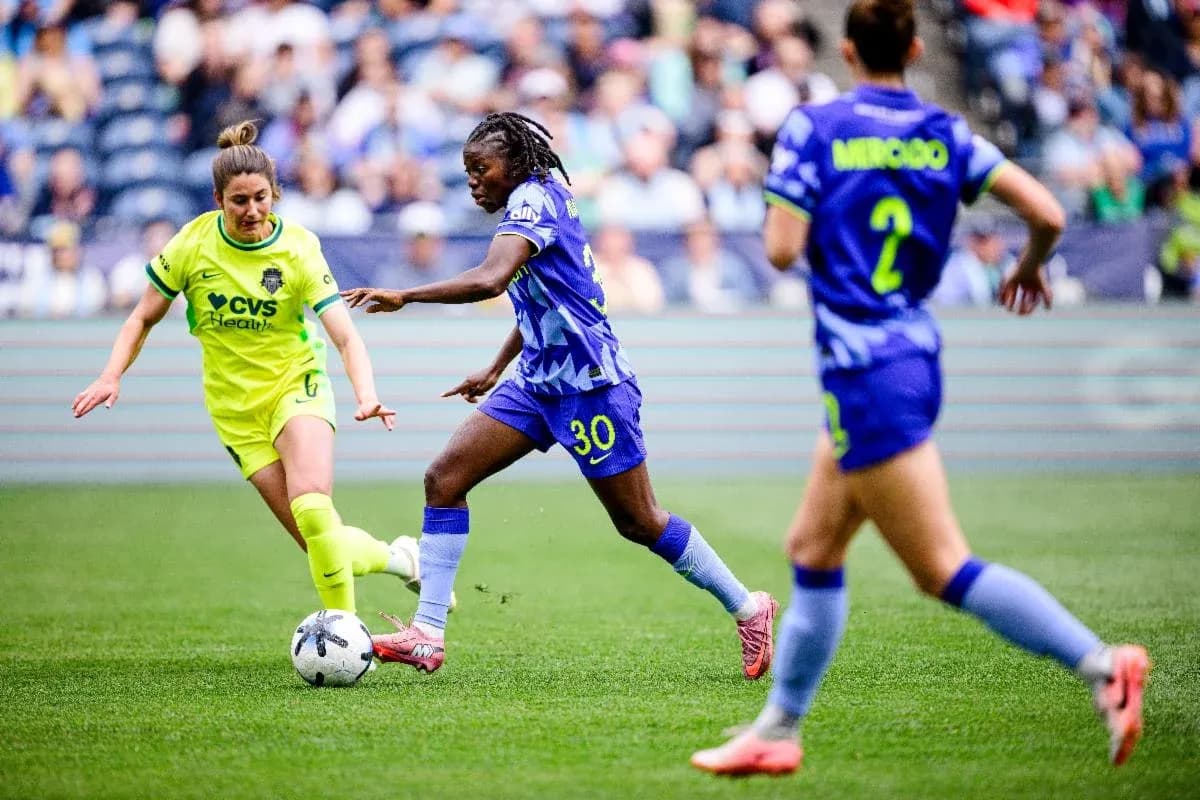
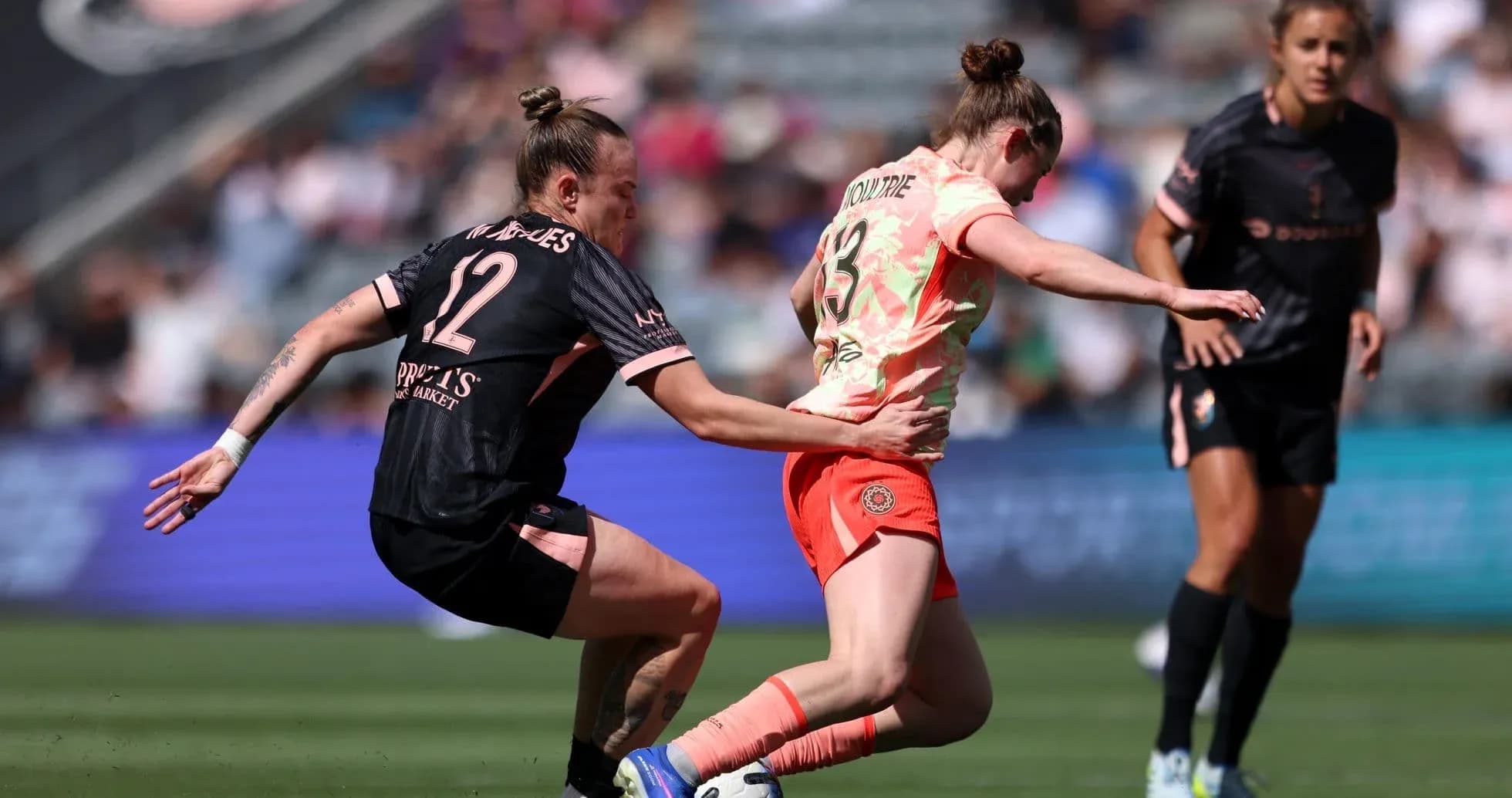
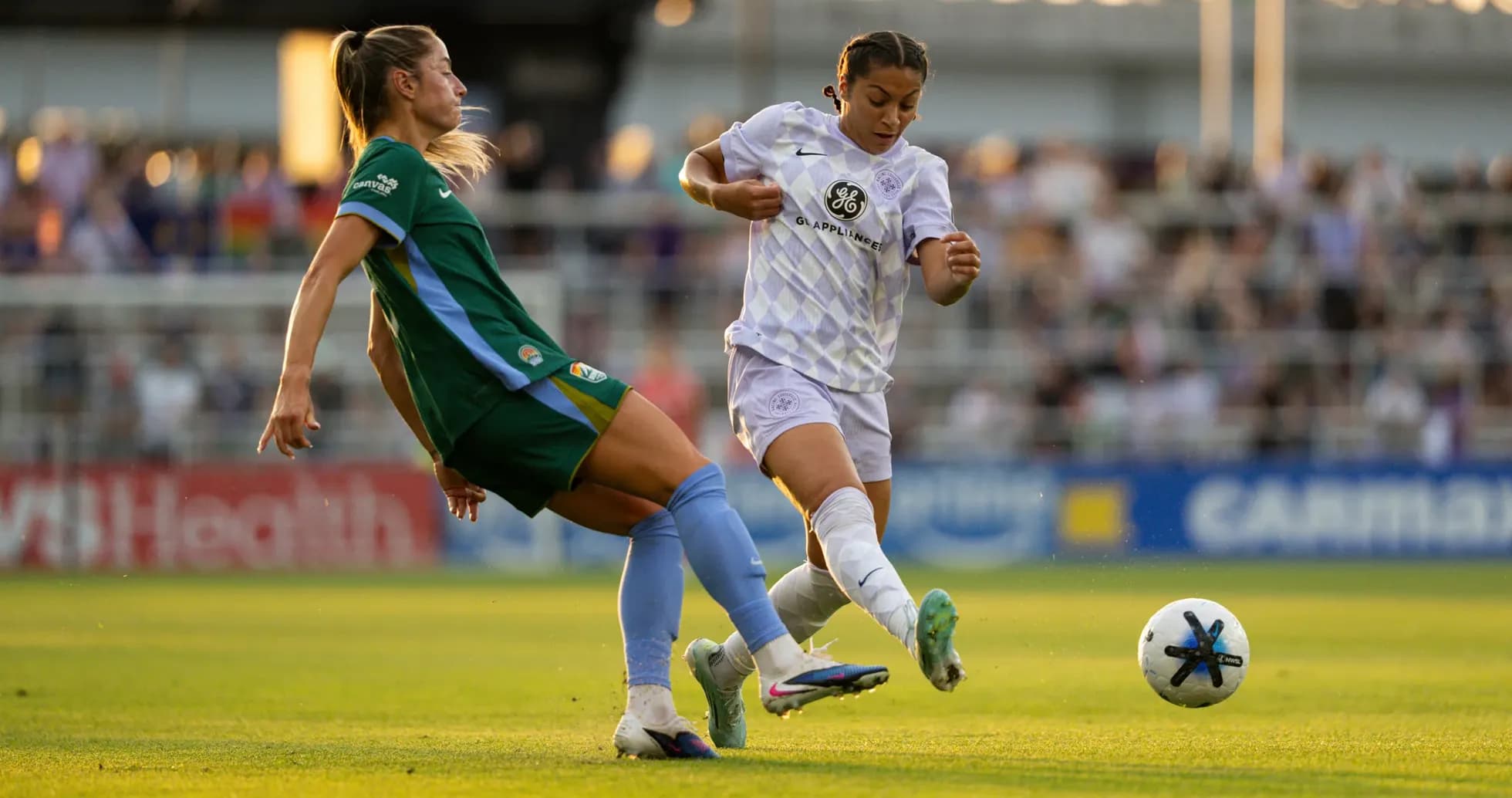
Under the Orlando lights at Inter&Co Stadium, Orlando Pride W edged North Carolina Courage W 1–0, a result that quietly reshapes the early NWSL Women landscape. Following this result, Orlando consolidate their position in the upper half of the table at 7th with 11 points, their overall goal difference at +1 after 12 goals for and 11 against. North Carolina, meanwhile, remain 13th on 9 points, their overall goal difference fixed at -2 with 9 scored and 11 conceded. On paper it was a tight mid‑table clash in the Group Stage; on the pitch, it became a study in control versus caution.
I. The Big Picture – Orlando’s evolving identity
Seb Hines stayed loyal to his seasonal template, rolling out the familiar 4-2-3-1 that has underpinned all 8 of Orlando’s league fixtures so far. At home this campaign they have averaged 1.4 goals scored and 1.6 conceded, a profile of a side that leans into chaos but trusts its attacking edge. The choice of a single striker, with a dense band of three attacking midfielders behind, was again designed to funnel service into the league’s most devastating finisher: Barbra Banda.
Across the season, Orlando have been a streaky team – their longest winning run only one game, but never far from a response after setbacks. Clean sheets have been rare at home (just 1 in 5), yet their overall 3 clean sheets in 8 suggest a team learning to shut the door when it matters. The 1–0 scoreline here fits that trajectory: less flamboyant, more ruthless.
Mak Lind’s Courage arrived with a more flexible tactical DNA. Across the season they have already used five different formations, with 4-3-3 the most common. That was the shape chosen again, a nod to their desire to press high and give Ashley Sanchez freedom between the lines. On their travels they have been compact and pragmatic: only 0.8 goals scored away on average, but just 0.8 conceded as well. The Courage on the road are usually a low‑event, fine‑margin side. This defeat will sting because it fits that pattern—decided by a single moment rather than a structural collapse.
II. Tactical Voids and Discipline – Edges at the margins
There were no listed absentees from either squad, which meant both coaches had their full complement of weapons and safety valves on the bench. Orlando could turn to Marta, Julie Doyle, Simone Jackson and Seven Castain as impact options if the game-state demanded more chaos. North Carolina’s bench offered direct pace and physicality through Cortnee Vine, Hannah Betfort and Allyson Schlegel, plus defensive reshaping options like Ivy Garner and Sydney Schmidt.
The disciplinary backdrop to this fixture shaped how both midfields behaved. Orlando’s yellow-card distribution this season is heavily tilted toward the second half: 20.00% of their cautions between 46-60 minutes, 30.00% between 61-75, and another 20.00% between 76-90, with an extra 20.00% deep into 91-105. This is a team that tends to live on the edge as matches stretch, often defending a lead or chasing one with full-blooded duels.
North Carolina’s profile is similar but sharper: 40.00% of their yellows come between 46-60 minutes, 20.00% between 76-90, and they have already seen a red card in the 76-90 window, with 100.00% of their reds occurring there. With Evelyn Ijeh already carrying 2 yellows across just 299 minutes, and Schlegel owning the team’s lone red, Lind had to balance aggression with survival. That tension was visible: the Courage pressed, but rarely overcommitted in central zones.
III. Key Matchups – Hunter vs Shield, Engine Room battles
The headline duel was always going to be Barbra Banda against the Courage back line. Banda entered this match as the league’s top scorer with 7 goals in 8 appearances, taking 30 shots with 19 on target and carrying a formidable rating of 7.87. Her duel numbers (79 contested, 33 won) show a forward who thrives in physical battles, not just space.
North Carolina’s “shield” was built on their away record: only 3 goals conceded on their travels all season, an away average of 0.8 goals against. Center-backs Uno Shiragaki and Natalia Staude, flanked by Ryan Williams and Dani Weatherholt, were tasked with narrowing the channels Banda loves to attack. For much of the night they succeeded in containing the volume of chances, but against a striker of Banda’s profile, the margin for error is microscopic. One mistimed step, one loose second ball, and the game’s only goal duly arrived.
Behind Banda, Orlando’s attacking midfield trio of Solai Washington, Angelina Alonso Costantino and Summer Yates worked as the creative engine. Even without Lizbeth Ovalle in the starting XI, Orlando carried the imprint of her season—2 assists and 1 goal in just 381 minutes—through similar pockets and patterns. The double pivot of Ally Lemos and Haley Hanson provided the platform, screening transitions and recycling possession to keep the Courage penned back.
For North Carolina, the “Engine Room” duel centered on Ashley Sanchez. With 5 goals in 8 appearances from midfield, plus 11 key passes and 18 shots, Sanchez is both creator and finisher. Her matchup against Orlando’s central shield—particularly Lemos stepping out and Rafaelle Souza defending aggressively from the back line—was crucial. Sanchez found pockets, but rarely the time to turn those into high‑quality final actions.
Out wide, Ryan Williams offered the Courage’s best route forward. Her 3 assists this season, 283 completed passes at 85% accuracy, and 10 key passes underscore her role as a deep-lying playmaker from full-back. Yet Orlando’s structure, with Washington and Yates pinning her back, limited her overlaps and forced North Carolina to attack more narrowly than they would have liked.
IV. Statistical Prognosis – xG, solidity, and what this result tells us
There is no explicit xG data in the snapshot, but the season-long numbers sketch the underlying story. Orlando’s overall goals-for average of 1.5 and goals-against average of 1.4 suggest that a 1–0 home win sits on the lower side of their usual attacking output but aligns with their defensive tightening. Holding a side that averages 1.1 goals overall to zero is a quiet statement of solidity.
For North Carolina, this match fits an uncomfortable trend. Overall they score 1.1 per game but concede 1.4; their away profile is more resilient, yet their attack on the road remains blunt at 0.8 goals per match. Failing to score here, despite fielding Sanchez, Ijeh and a 4-3-3, reinforces the sense of a team that can control phases but struggles to turn them into clear chances against structured blocks.
In tactical terms, Orlando’s 4-2-3-1 again proved more coherent than North Carolina’s 4-3-3. The Pride leveraged their star power—Banda as the “Hunter” and a disciplined midfield screen—to grind out a result that matches their emerging identity: less wild, more calculated. The Courage remain a side in tactical flux, solid enough to stay in games but still searching for a cutting edge that can tilt tight nights like this away from narrow defeat.