Mexico City Transforms for World Cup Opening Night
The warning signs were there the night before a ball was even kicked.
On street corners and crowded pavements, latecomers haggled with vendors for green Mexico jerseys. Around El Ángel de la Independencia, hundreds gathered in a whirl of flags, drums, and off-key anthems, turning the monument into a glowing, singing, swaying rehearsal for what they hoped was coming.
Car horns blared into the early hours. Fireworks cracked over the skyline. If this was the warm-up, Mexico City was always going to explode once the World Cup actually started.
A city turns into a fan zone
The players did their part first. A 2-0 win over South Africa in the opening match of a World Cup spread across Mexico, Canada, and the USA gave the nation exactly what it wanted: a clean, confident start, and a reason to throw itself fully into the night.
From the final whistle, the city shifted gear.
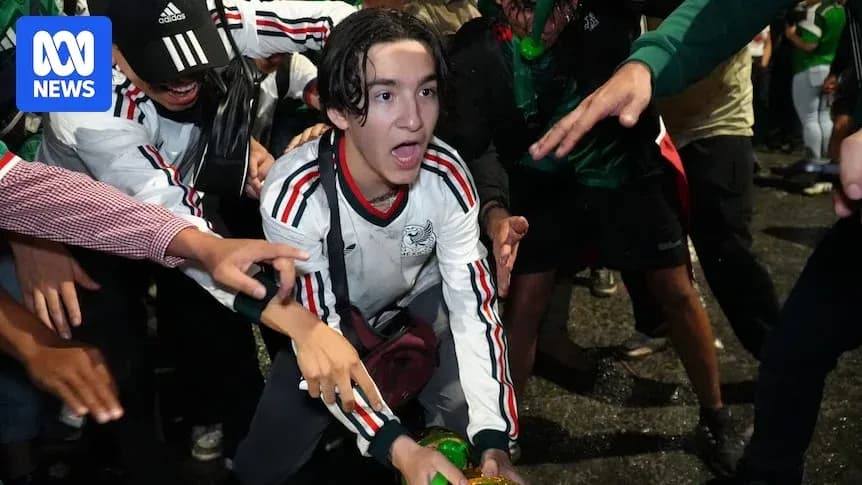
Paseo de la Reforma, the grand boulevard that slices through the capital, morphed into a pedestrian-only river of green shirts and face paint. Beer flew through the air in golden arcs. Foam and fake snow sprayed over strangers who instantly became friends. Plastic World Cup trophies were held aloft as if they were the real thing.
Conga lines snaked around traffic lights. Food stalls did roaring trade in tacos and street snacks. Stands selling scarves, flags, and trinkets sat beside vendors hawking glow sticks that turned the night into a rolling, neon carnival. A free concert hammered out soundtracks to the celebration.
For outsiders it might have looked like an over-the-top reaction to a single group-stage win. For Mexico, this is the script. This is what happens when the national men’s team delivers. The city gravitates to its own version of Fed Square: a victory monument on a busy roundabout, a ready-made stage for a fan base that never seems to tire.
They do not go home early. They do not pace themselves. They party until the sun threatens to break the spell.
Noise, nerves, and a nation’s release
The energy had been building long before kick-off.
Outside the stadium, traditional performers worked the crowds, drums echoing, dancers in full costume spinning for cameras and kids. Inside, 80,000 fans crammed into their seats and then rarely used them. The sound hit you first: a constant, rolling roar that rose and dipped with every image on the big screen.
When the opening ceremony rolled out, the crowd sang along, especially when Shakira appeared. The World Cup queen still owns these stages, and Mexico responded in kind. But that was just the prelude.
The real, bone-deep roars were saved for the goals. The first eruption felt like a pressure valve finally giving way. The second, Raúl Jiménez’s header, carried something extra. Years after the horrific head injury that threatened his career, his leap and finish were met not just with joy, but with something closer to collective relief. A comeback completed on the biggest possible stage, in front of his own people.
Later, another kind of noise swept through the stands. When 17-year-old Gilberto Mora came on in the second half, the stadium did not hesitate. His name rolled around the bowl, a unanimous chant for a teenager many here believe will change the face of the game in Mexico. That sort of reception is not handed out lightly.
On the touchline, coach Javier Aguirre understood what his players were carrying. He has lived this before, as a player at the 1986 World Cup on home soil. He called the start of a World Cup “a brutal scenario,” the kind of occasion that makes legs tremble. From the quiet of the training centre to streets jammed with fans, the jump is jarring.
He pointed to something telling: in 25 previous matches, Mexico had not had a single case of cramps. On this night, three players went down with them. Not from a lack of fitness, he insisted, but from the sheer emotional overload of the occasion. The body tightens when the heart is racing.
The squad now has to switch off the noise, put a lid on the adrenaline, and prepare for the next group game. Their supporters have no such obligation. For them, the lid has been blown clean off.
“It means everything. It means a lot,” said one fan in the throng. “It’s putting us back on the map. It shows that Mexico is present in the world of football.”
Infantino’s “chillax” and the bigger questions
High up the hierarchy, Gianni Infantino will have watched all this with no small amount of satisfaction.
On the eve of the tournament, the FIFA president bristled at the criticism aimed at his organisation. He dipped into early-2000s slang and told everyone to “chillax.” Now, with the football finally underway and Mexico throwing a city-wide party, he has the scenes he craved: full stadiums, fevered streets, and a host nation in love with the event.
For the moment, the mood music suits him. The chill pills, as he might put it, have been swallowed. The party is on.
But the scrutiny has not vanished. It has just been drowned out temporarily by drums and horns.
Mexico lives and breathes this sport, yet across the border the picture is different. In Canada and the United States, “soccer” still trails other codes in the national pecking order. The star-studded fixtures will draw huge crowds, but what about the rest? Will high ticket prices keep casual fans away from the lesser lights on the schedule?
There is another, sharper concern in the US: the looming presence of Immigration and Customs Enforcement, ICE. How visible will it be around matches? How will that affect migrant communities who might otherwise flock to see the world’s game in their adopted home?
Those questions will not go away. They will only grow louder as the tournament moves north and the stakes rise.
For now, though, Mexico has claimed opening night. The football spoke first, and the city answered with a roar. The real test lies ahead: can this World Cup keep that sound echoing from Mexico City all the way to the final whistle on North American soil?