Manchester United's Midfield Rebuild Faces Market Challenges
Manchester United have money to spend and a midfield to rebuild, but the early signs of this window are brutal: the targets are clear, the prices are eye-watering, and the competition is fierce.
Anderson: The £100m dream with City in the way
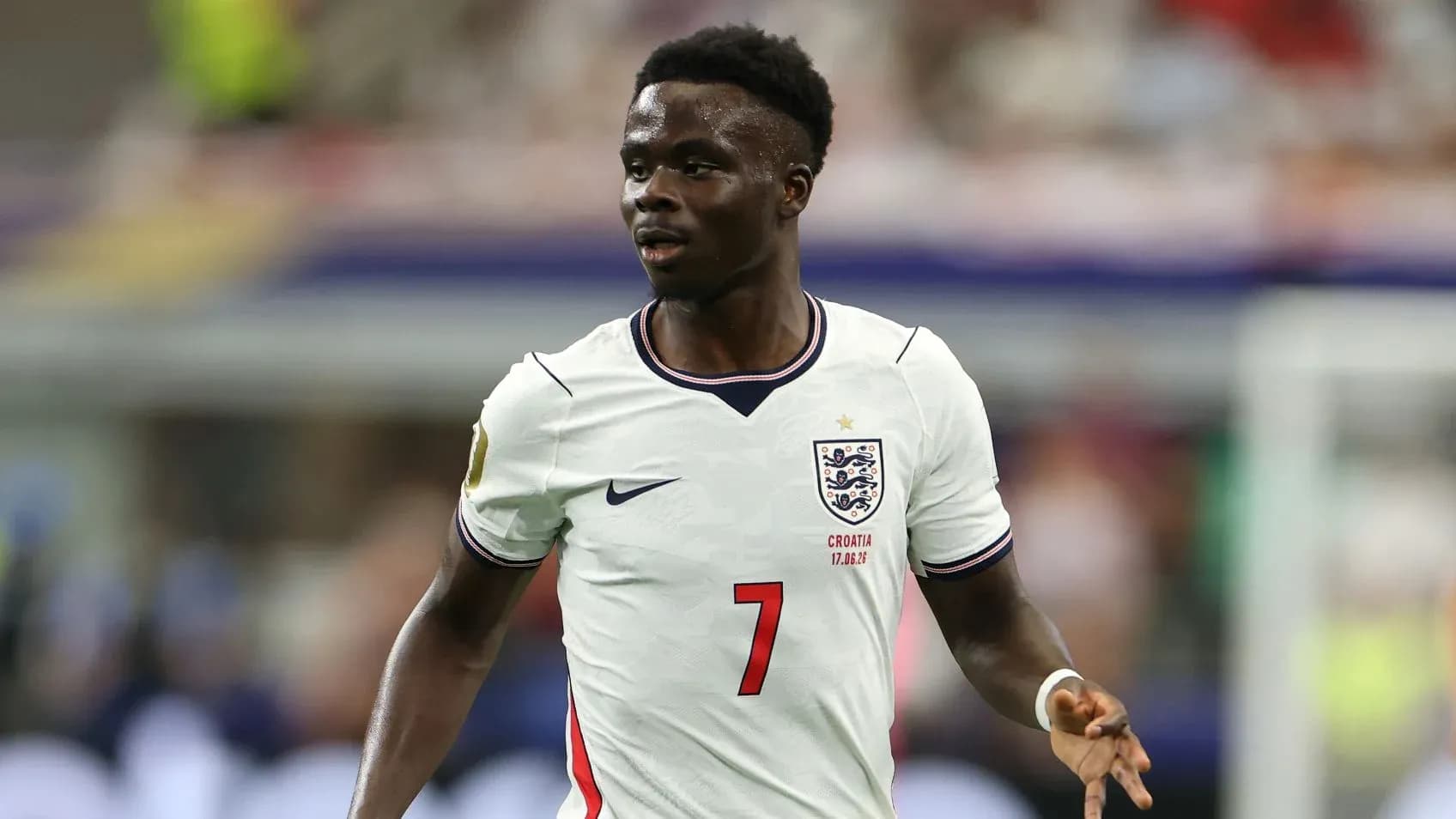
At the top of United’s wishlist sits Elliot Anderson of Nottingham Forest, a player the club view as a potential centrepiece of their next midfield era. Forest value the England international at around £100 million, a figure that underlines both his importance at the City Ground and the current state of the market.
Inside Old Trafford, there is confidence. According to The Guardian, United’s hierarchy believe they can tempt Anderson away from Forest and, crucially, away from Manchester City. That optimism, though, runs against the wider feeling in the game. Right now, City are regarded as favourites to land the 23-year-old, with their recent track record and stability offering a powerful pull.
United want Anderson to be the statement signing of their new project. At the moment, he looks more like the one that might get away.
Baleba: A long courtship stuck on repeat
If Anderson is the new obsession, Carlos Baleba is the old one that refuses to move forward.
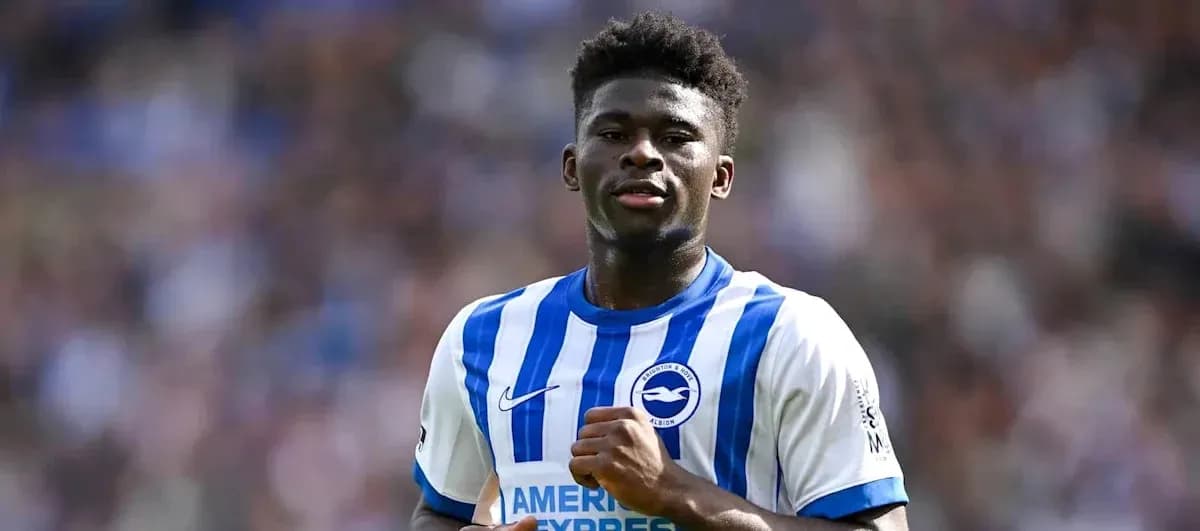
United pushed hard for the Brighton & Hove Albion midfielder last summer. The Cameroonian, a powerful box-to-box presence with serious athleticism, was identified as a dream target. Brighton’s answer was blunt: £100m or nothing. United walked away.
Behind the scenes, they still did plenty of work. It is understood that United reached an agreement with Baleba on personal terms in August. Then, in April, Italian journalist Fabrizio Romano reported that a verbal agreement between Baleba and United for summer 2025 remained in place.
On paper, the path looked clear. Baleba’s season on the south coast did not explode in the way some expected, and many around the situation assumed Brighton might soften their stance or at least entertain a more realistic fee.
They have not.
Brighton remain unmoved on valuation and, according to The Guardian, believe the 22-year-old will stay put. No discount, no rush to sell, no easy win for United. The result is familiar: another stalemate, another summer in which Baleba’s name circles Old Trafford without landing.
For a club trying to prove it can move decisively in the market under new ownership influence from INEOS, it is a frustrating echo of previous windows.
Fernandes: A new option, a different kind of stand-off
With Baleba locked behind Brighton’s price wall and Anderson drifting towards City, United have started to scan the market for alternatives. One name has emerged: Mateus Fernandes of West Ham.
United’s director of football, Jason Wilcox, is monitoring the young Portuguese midfielder as a possible solution to their central rebuild. Fernandes offers a different profile and a different situation, but the same problem: cost.
West Ham, relegated to the Championship and under pressure to raise funds, are believed to want around £80m for Fernandes. On the surface, that gives United leverage. A club needing sales, a player admired by a giant, a clear opportunity to lean on timing and circumstance.
INEOS, though, have drawn a line. There is no intention at this stage to meet West Ham’s demands. United are prepared to wait, to let the financial strain of relegation do some of the work for them.
The strategy is obvious: hold their nerve, watch West Ham’s need for cash grow, and hope the price drops to something that fits the new financial discipline being preached at Old Trafford.
Big budget, narrow margins
United entered this summer with a considerable budget and a clear mandate to reshape the midfield. Yet the reality is stark. One target is locked in a tug-of-war with Manchester City. Another is tied to Brighton’s refusal to budge. A third sits at a club that must sell but is still asking for a premium.
Money alone is not solving anything. Negotiation, timing, and sheer market power will decide whether United walk into next season with a transformed engine room or a list of near-misses.
The question now is simple: in a window defined by hard lines and harder prices, who blinks first?