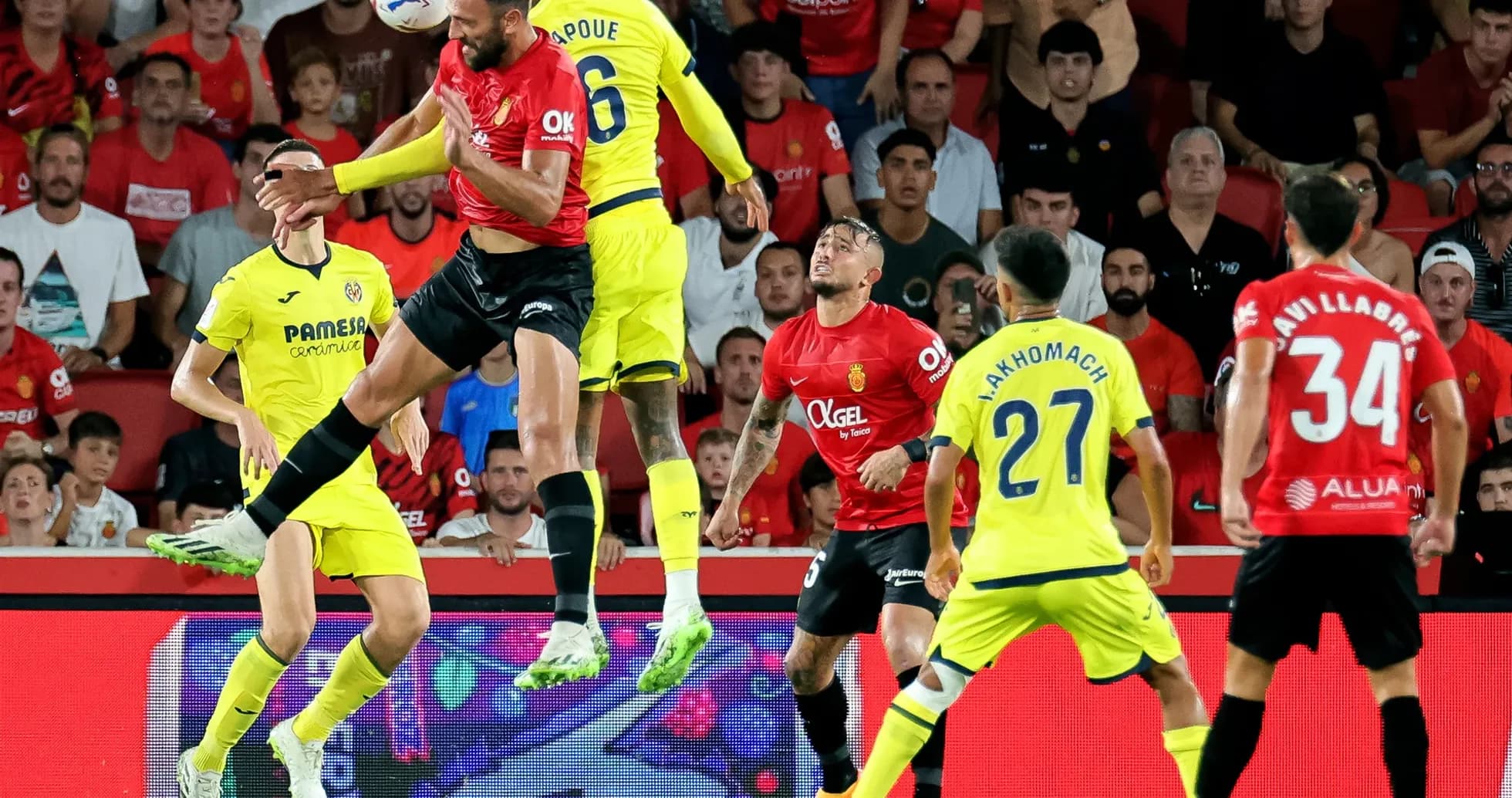
Mallorca vs Villarreal: La Liga Showdown with Stakes
On 10 May 2026, Estadi Mallorca Son Moix stages a meeting of contrasting La Liga agendas as 15th‑placed Mallorca host third‑placed Villarreal in Round 35 of the season. The visitors arrive pushing to lock in a Champions League place, while the hosts are still tidying up the job of securing safety, sitting on 38 points with a -9 goal difference.
Context and Stakes
In the league, Mallorca’s campaign has been defined by home resilience and away frailty. They have taken 29 of their 38 points in Palma, with an 8‑5‑4 home record and a positive home goal difference (27‑20). Villarreal, by contrast, have built a top‑three push on formidable home form but are more human on their travels: 7‑4‑6 away, with 23 goals scored and 24 conceded.
Form lines underline the dynamic. Mallorca’s official table form reads “WLDWW”, suggesting an upturn at a crucial time, while Villarreal’s “WWDWL” shows they are still largely in winning rhythm despite the occasional setback.
Tactical Landscape
Mallorca: Direct punch from a structured base
Across all phases, Mallorca’s statistical profile is clear:
- 10 wins, 8 draws, 16 defeats from 34 games.
- Goals for: 42 (1.2 per game); goals against: 51 (1.5 per game).
- At home: 27 scored (1.6 per game), only 20 conceded (1.2 per game).
Javier Aguirre (or his equivalent in charge, as the data does not name the coach) has leaned heavily on compact shapes and vertical attacks. The most-used system is 4‑2‑3‑1 (19 matches), with occasional switches to 4‑3‑1‑2, 5‑3‑2 and 4‑4‑2. The pattern is consistent: protect central spaces, then look early for Vedat Muriqi.
Muriqi is the centrepiece of the game plan and one of La Liga’s standout forwards this season:
- 21 league goals and 1 assist in 33 appearances.
- 82 shots, 44 on target.
- Aerial and physical presence: 408 duels, 209 won.
- Penalties: 5 scored, 2 missed.
Mallorca’s attacking structure is built around his ability to occupy both centre‑backs, hold up long balls and convert limited chances. With an average of just 1.2 goals per game across all phases, their margin for error is slim; when Muriqi is well‑supplied, they can punch above their weight, but if Villarreal cut the passing lanes into him, the hosts can struggle, as shown by 8 matches this season where they have failed to score.
Defensively, Mallorca are generally solid at home but fragile away; the 20 home goals conceded compare favourably with the 31 shipped on the road. They have kept 3 home clean sheets out of 17, and their defensive intensity is reflected in their card profile, with yellow cards particularly concentrated between 46–60 minutes and a notable cluster of reds around the end of the first half and late on. Managing transitions against Villarreal’s quick forwards will be critical.
Villarreal: High‑octane 4‑4‑2 with multiple threats
Villarreal’s season has been defined by attacking volume and consistency:
- 21 wins, 5 draws, 8 losses from 34 games.
- Goals for: 64 (1.9 per game); goals against: 39 (1.1 per game).
- Away: 23 scored (1.4 per game), 24 conceded (1.4 per game).
They have lined up in a 4‑4‑2 in 33 of 34 matches, with a single outing in 4‑3‑3. That stability has underpinned their ability to impose themselves: two forwards, wide players who can come inside, and a midfield that can both press and create.
Two key attacking figures stand out in the data:
- Georges Mikautadze: 11 goals, 5 assists in 29 appearances, 50 shots (28 on target), 24 key passes, strong dribbling volume (64 attempts, 31 successful).
- Alberto Moleiro: 10 goals, 4 assists in 33 appearances, 38 shots (19 on target), 35 key passes, 59 dribble attempts (30 successful).
Together, they give Villarreal a dual threat: Mikautadze as a scorer‑creator in the front line, Moleiro as a line‑breaking midfielder who can arrive in the box and link play. Neither has taken penalties this season according to the data (0 scored, 0 missed), but Villarreal as a team have a 5‑from‑5 record from the spot.
Defensively, Villarreal are not watertight away from home, conceding 1.4 goals per game on their travels. However, they balance that with attacking output and have kept 3 away clean sheets. Their card distribution shows a tendency to pick up yellows late in games (76–90 minutes), which could matter if they are defending a narrow lead under pressure at Son Moix.
Team News and Selection Issues
Mallorca are hit hard by absences, particularly in defence:
- Confirmed out: L. Bergstrom (injury), M. Joseph (knee injury), M. Kumbulla (muscle injury), P. Maffeo (suspension – yellow cards), A. Raillo (injury), J. Salas (knee injury).
- Questionable: J. Kalumba, P. Torre, J. Virgili (all listed with injuries).
The loss of Maffeo and Raillo is especially significant. Both are core defensive pieces, and their absence forces changes in the back line and full‑back roles. With Kumbulla and Salas also missing, Mallorca’s defensive depth is stretched, which is a concern against one of the league’s most potent attacks.
Villarreal’s list is shorter but not irrelevant:
- Out: P. Cabanes (knee injury), J. Foyth (Achilles tendon injury).
Foyth’s absence removes a versatile defensive option who can play right‑back or centre‑back, potentially impacting their ability to adjust in‑game to Mallorca’s direct approach. Still, compared to Mallorca’s injury load, Villarreal look significantly better equipped.
Head‑to‑Head Record (Last 5 Competitive Meetings)
All five recent meetings between these sides have come in La Liga:
- 22 November 2025, Estadio de la Ceramica: Villarreal 2‑1 Mallorca – Villarreal win.
- 20 January 2025, Estadio de la Cerámica: Villarreal 4‑0 Mallorca – Villarreal win.
- 14 September 2024, Estadi Mallorca Son Moix: Mallorca 1‑2 Villarreal – Villarreal win.
- 20 January 2024, Estadio de la Cerámica: Villarreal 1‑1 Mallorca – Draw.
- 18 August 2023, Estadi Mallorca Son Moix: Mallorca 0‑1 Villarreal – Villarreal win.
Across these five league fixtures, Villarreal have 4 wins, Mallorca have 0, and there has been 1 draw. Notably, Villarreal have won both of their last two visits to Son Moix, by scorelines of 1‑2 and 0‑1.
Tactical Keys to the Match
- Mallorca’s defensive reshuffle vs Villarreal’s fluid attack: With multiple defenders missing, the hosts must reorganise in front of a Villarreal side that averages nearly two goals per game. Maintaining the compactness of the 4‑2‑3‑1 and protecting the half‑spaces where Moleiro thrives will be essential.
- Muriqi vs Villarreal’s centre‑backs: Mallorca’s best route to a result is clear: early crosses and direct balls into Muriqi. Villarreal’s defenders will need to handle his aerial presence and second‑ball chaos, especially given their away record of 24 goals conceded.
- Set pieces and penalties: Both teams have scored all 5 of their penalties this season at team level, and Mallorca have a physically imposing striker. In a match where Villarreal will likely have more of the ball, set pieces could be Mallorca’s leveller.
- Game state and discipline: Mallorca’s yellow and red card timings suggest potential late‑game volatility. If they are chasing the game, managing emotions will be vital against a Villarreal side that often draws fouls through dribblers like Mikautadze and Moleiro.
The Verdict
Data and recent history point strongly towards Villarreal. They are third in the league, score more, concede less, and have dominated the head‑to‑head with 4 wins and 1 draw in the last 5 competitive meetings. Mallorca’s home strength and Muriqi’s form mean this is unlikely to be straightforward, but the hosts’ defensive injury crisis, combined with Villarreal’s multi‑layered attacking threat, tilts the balance.
Mallorca have enough at Son Moix to make this competitive and could score, especially through Muriqi, but Villarreal’s structure, form and depth suggest they are better placed to emerge with the points and keep their Champions League push on track.