Lionel Messi Reflects on World Cup Defeat and Legacy
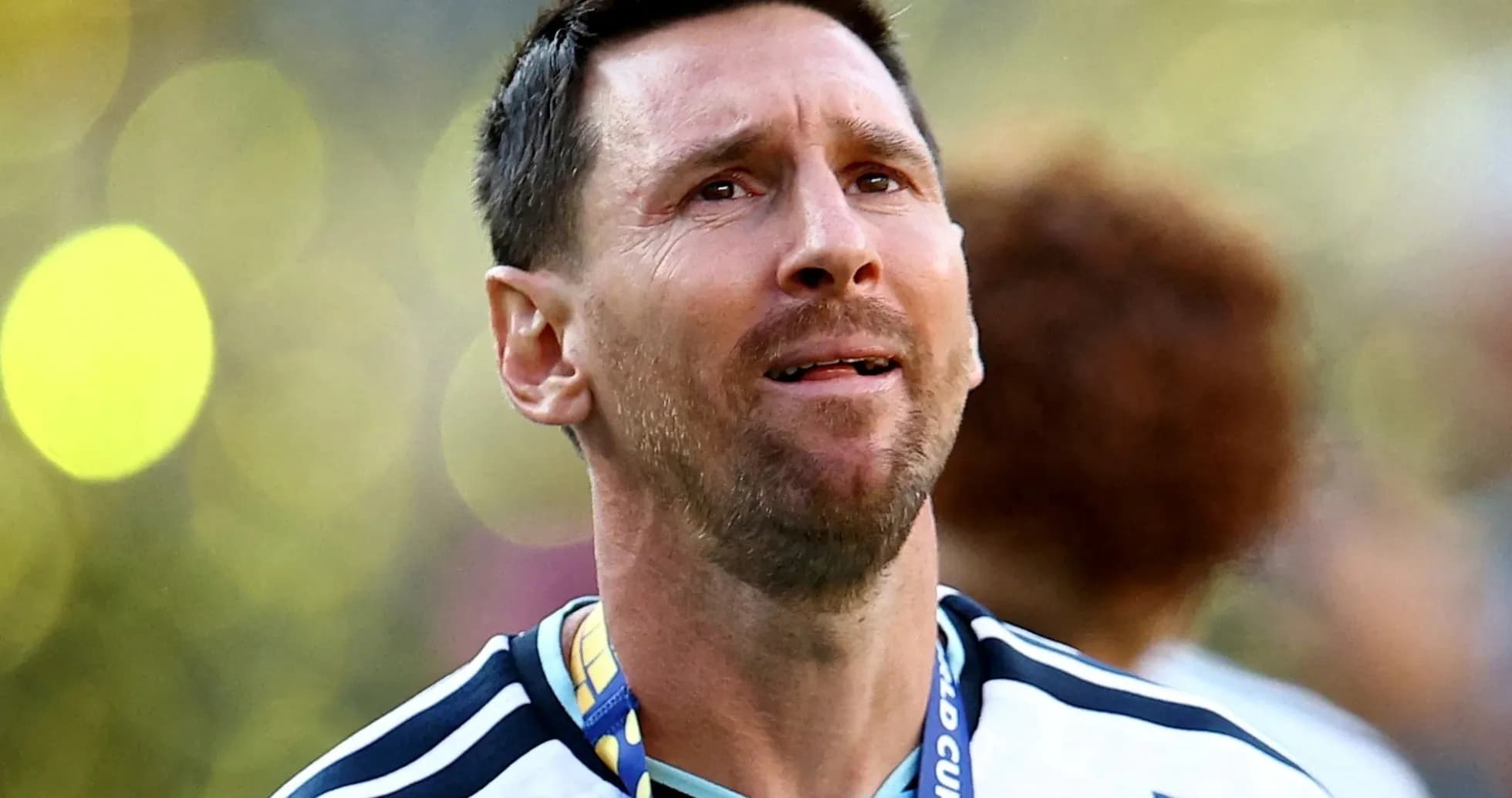
Lionel Messi stood alone on the MetLife Stadium pitch, silver medal around his neck, eyes wet and distant. No grand speech. No announcement. Just a 39-year-old who had carried a nation for two decades, now left to process a 1-0 defeat to Spain that may have closed the World Cup chapter of his career.
There was no confirmation that this was the end. He didn’t need to say it. The image of Messi in East Rutherford, New Jersey, on Sunday night — motionless as Spanish players celebrated nearby — carried the weight of a farewell.
The next day, the words finally came, not at a microphone but on a phone screen.
“The pain is immense, and this wound will take time to heal,” he wrote in Spanish on Instagram, alongside a photo of him with that silver medal. The caption read like a man trying to balance heartbreak with perspective, the competitor still raging inside him, the leader already stepping back to look at the bigger picture.
He lingered on the journey, not just the loss.
“I also hold onto all the good things… The matches we turned around by giving it our all – moments that will remain in our memories forever – and the support of an entire country which, combined with this group’s hard work and effort, brought us back among the world’s elite once again.”
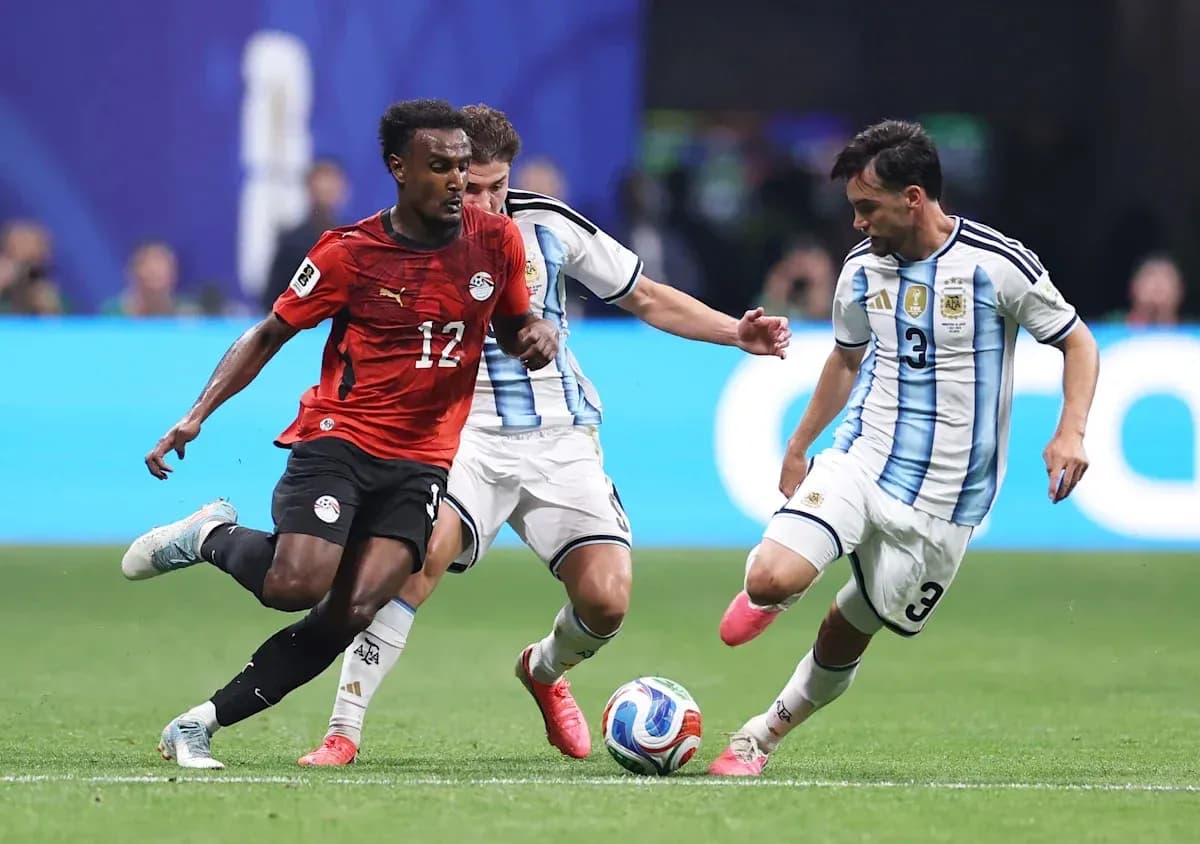
The facts back him up. Argentina arrived in North America as reigning champions, and they played like it. They outlasted, outplayed and out-suffered opponents all the way to a second straight World Cup final, turning tense nights into triumphs, including a comeback win over England in the semifinal that felt, for a moment, like destiny was aligning again.
But Spain ripped up that script.
In the final, Argentina’s attack never found air. A disciplined, suffocating Spanish defence did what few teams have managed in the Messi era: it kept Argentina from registering a single shot on target. One goal at the other end was enough. The title changed hands. The tears told their own story.
“It is hard to fully appreciate our achievement right now,” Messi admitted in his post, “but this group reached two consecutive World Cup finals.”
He’s right. Strip away the rawness of defeat and the record stands tall. Argentina’s 2022 triumph in Qatar, a wild 3-3 epic against France settled on penalties, had finally delivered Messi the one trophy that had eluded him. The 2026 run, this time on American soil, confirmed it wasn’t a last dance fluke. It was sustained dominance.
This tournament also rewrote the record books in his name. Early on, Messi moved past Miroslav Klose’s mark of 16 World Cup goals. He finished with 21, only to be hunted down and then overtaken by Kylian Mbappé, who closed the tournament on 22. The French forward also snatched the Golden Boot, his 10 goals edging Messi’s eight.
It felt symbolic: one era at full stretch, another hitting top speed.
Messi turned 39 during this World Cup. He will be 43 when the 2030 edition kicks off across Spain, Portugal and Morocco. He has not closed the door publicly, but the numbers, the emotion, the tone of his message — all of it hinted at a man making peace with what might have been his last World Cup touch of the ball.
What he did not let slip, even in defeat, was his sense of duty to the shirt and the people behind it.
“Thank you from the bottom of my heart for every greeting and message,” he wrote. “Once again, we managed to unite as a country and stand together, sharing the immense pride of being Argentine.
“I also want to congratulate Spain on winning the championship.”
No bitterness. No excuses. Just recognition of a worthy champion and of a campaign that fell one step short.
The toll of the tournament is already shaping his immediate future. According to ESPN, Messi and his Argentina and Inter Miami teammate Rodrigo De Paul will sit out the club’s next two regular-season matches and skip the MLS All-Star Game as they rest and recover from the World Cup.
So the spotlight now shifts from World Cup nights to MLS crowds, from the global stage to packed American stadiums painted pink. The silver medal will go in a drawer. The scars of East Rutherford will linger longer.
But the question hangs over everything: was this the last time the World Cup saw Lionel Messi walk off a pitch, head bowed, carrying both a nation’s hopes and the weight of his own legend?