Houston Dynamo FC II Dominate St. Louis City II in 4–1 Clash
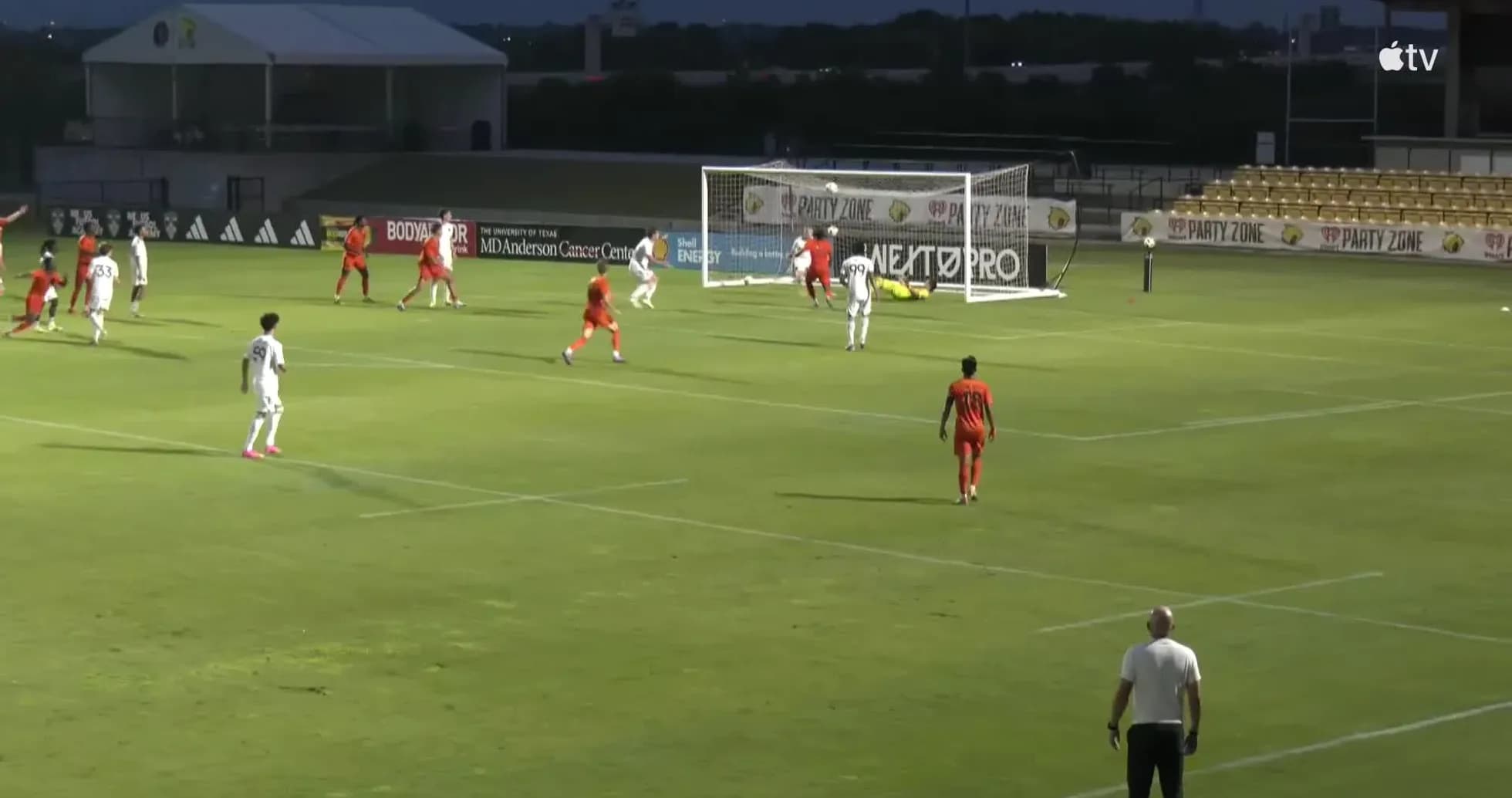
The lights at CITYPARK had barely cooled when the table told its blunt truth. Following this result, the league’s most ruthless machine, Houston Dynamo FC II, had marched into St. Louis and turned a top-of-the-conference clash into a 4–1 statement win. It was first in the Eastern Conference against second, an unbeaten run of nine against a side with eight wins in ten, and yet by full time the gap between them felt far wider than the standings suggested.
Heading into this game, St. Louis City II’s season had been built on front-foot football and home dominance. They sat 2nd in both the Frontier Division and Eastern Conference with 23 points from 10 matches, powered by 21 goals for and 12 against overall, a goal difference of 9. At home they had been fearsome: 5 wins from 6, 14 goals scored and 9 conceded, averaging 2.7 goals for and 1.5 against at CITYPARK. Their biggest home win, a 4–0, and their biggest home defeat, 1–4, hinted at the volatility of a side that lives by the sword.
Houston arrived as the league’s benchmark. Top of the Frontier Division and Eastern Conference with 26 points from 9 games, they had won every match, scoring 24 and conceding just 4 overall for a goal difference of 20. On their travels they were perfect: 5 away wins from 5, 11 goals scored, 4 conceded, averaging 2.4 goals for and 0.8 against away from home. Their biggest away victory, 1–4, foreshadowed precisely the script they would write in St. Louis.
I. The Big Picture: Clash of Identities
This was less a routine group-stage fixture and more a playoff dress rehearsal between two sides already earmarked for the MLS Next Pro 1/8-finals. St. Louis, driven by an attacking DNA, came in with an overall goals-for average of 2.3 and goals-against of 1.3, a profile of controlled risk. Houston’s numbers were colder, more ruthless: 2.8 goals scored and just 0.4 conceded overall, underpinned by 5 clean sheets and zero failures to score in any venue.
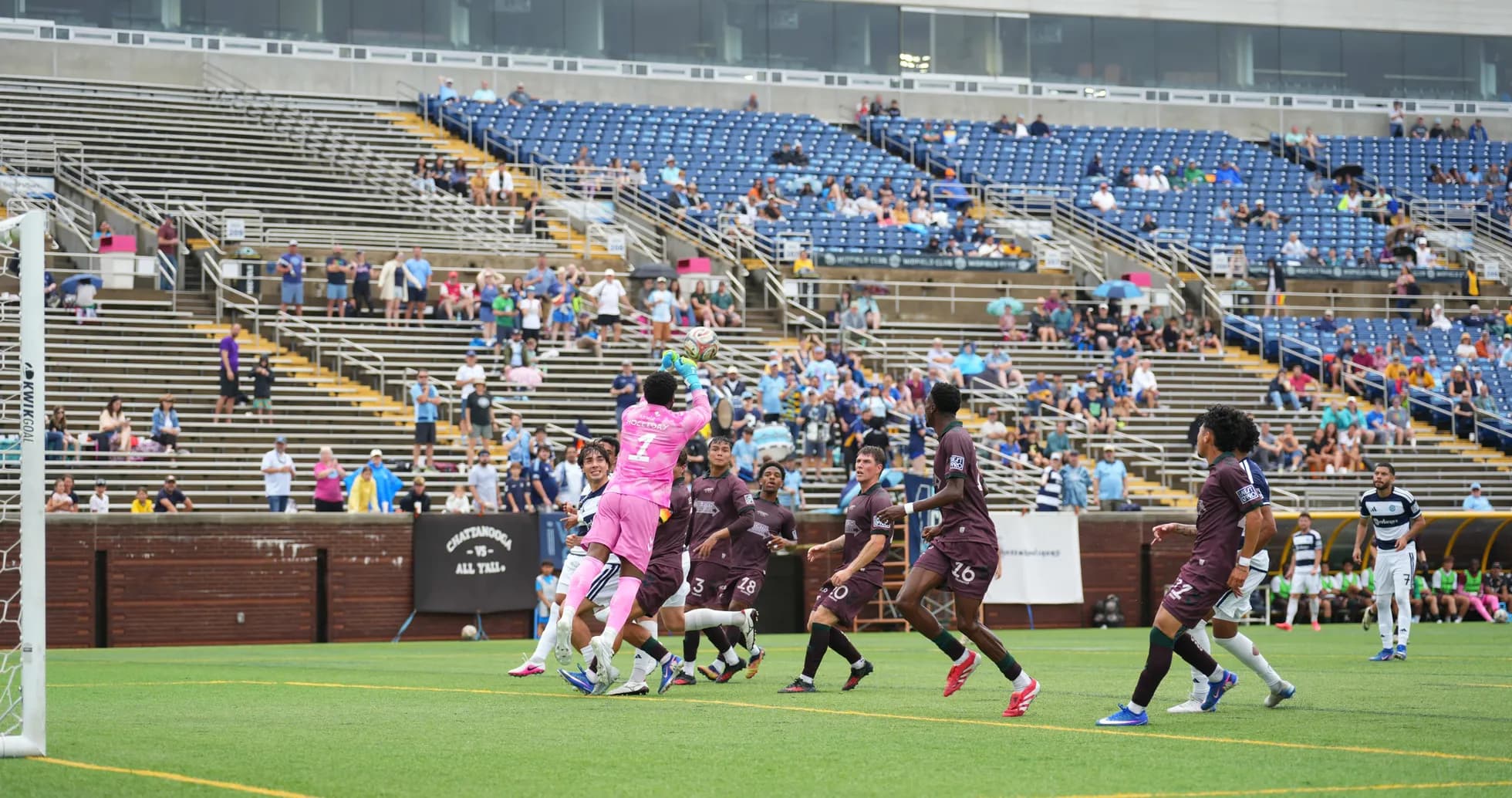
The opening half at CITYPARK reflected that tension. St. Louis struck early and bravely, leaning on the energy and verticality of their young core. L. McPartlin and S. Marion brought intensity from the back line, while K. Hiebert and R. Lynch tried to step into midfield lines, compressing the pitch. In attack, P. Ault and P. McDonald offered a mix of direct running and combination play, with J. Wagoner and C. Pearson shuttling to support. The 1–1 score at half-time suggested a contest still finely balanced.
II. Tactical Voids and Discipline
If St. Louis had a hidden fault line, it lay in their defensive risk profile and disciplinary trends. Heading into this game, they had conceded 13 goals overall, with a home average of 1.5 against. Their season card map showed a worrying concentration of yellow cards between 46–60 minutes (31.58%) and a sustained aggression through the middle third of matches, plus red cards split between 46–60 and 61–75 (each 50.00% of their reds). That pattern hints at a side that can lose control just as legs tire and games open up.
Houston, by contrast, manage risk differently. Their yellow cards are more evenly spread, but with notable spikes late: 22.73% in the 61–75 window and another 22.73% from 76–90, reflecting a team willing to foul tactically to protect leads rather than chase games emotionally. Crucially, they had no red cards in any time band heading into this match, a sign of disciplined aggression.
With no official injury or absence list, both coaches had near full decks. For St. Louis, that meant leaning heavily on the starting group: McPartlin anchoring from the back, Hiebert and Lynch as stabilisers, Wagoner and Pearson as the connective tissue, and Ault plus McDonald tasked with turning territory into goals. On the bench, the likes of C. Welsh, A. De Gannes and S. Paris represented different change-of-pace options, but the core responsibility sat with the XI that started.
Houston’s depth was even more striking. Pedro Cruz in goal fronted a defensive unit of N. Betancourt, I. Mwakutuya, E. Hata and R. Miller that had conceded just 4 goals in 9 matches overall, including 0 at home and 4 away. In front of them, Gustavo Dohmann, M. Arana and M. Dimareli formed a hard-running midfield axis, with S. Mohammad and J. Bell supporting centre-forward Arthur Sousa. From the bench, players like D. Gonzalez, D. Herrera, A. Brummett and Alan gave Houston the flexibility to reinforce control or twist the knife in transition.
III. Key Matchups: Hunter vs Shield, Engine Room vs Enforcer
This fixture was defined by two structural battles.
The first was the “Hunter vs Shield” duel: St. Louis’s aggressive home attack versus Houston’s away defence. St. Louis at home: 16 goals scored overall at CITYPARK, averaging 2.7, with their biggest home explosion a 4-goal outing. Houston away: 12 goals conceded overall? No—12 scored and just 4 conceded on their travels, an away average of 0.8 against. In theory, St. Louis’s attacking waves through Ault, McDonald and the advanced movements of Wagoner and Pearce should have tested that shield. In practice, Houston’s back line held firm, allowing one first-half breach but then tightening the screws.
The second was the “Engine Room” confrontation. St. Louis’s midfield, led by Pearson, Wagoner and T. Pearce, thrives on tempo, pressing high and playing quickly into forward lanes. But Houston’s trio of Gustavo Dohmann, Arana and Dimareli are built for control: breaking lines with their passing, absorbing pressure and springing S. Mohammad and J. Bell into space. Once Houston began to win second balls and control the rhythm, St. Louis’s structure frayed, exposing McPartlin, Hiebert and Lynch to repeated transitional waves.
IV. Statistical Prognosis and the xG Shadow
While explicit xG numbers are not provided, the seasonal shot and goal patterns give us a strong proxy. Houston’s overall average of 2.8 goals for and 0.4 against, coupled with 5 clean sheets and no matches without scoring, points to a side that consistently generates high-quality chances while suppressing opponents’ xG. St. Louis, at 2.3 goals for and 1.3 against overall, are more open, their model closer to “we’ll outscore you” than “we’ll suffocate you.”
In a match where Houston scored 4 away from home and limited St. Louis to a single goal, the expected goals landscape almost certainly mirrored the scoreline: Houston creating repeated high-value opportunities, St. Louis limited to bursts rather than sustained pressure. The 1–4 home defeat also fits St. Louis’s statistical profile: their biggest home loss this season was already 1–4, underlining how their aggressive posture can collapse dramatically when the balance tips.
Following this result, the narrative is clear. St. Louis City II remain a dangerous, playoff-bound side with a potent attack and a volatile edge. But Houston Dynamo FC II are operating on a different tier: structurally sound, emotionally controlled and statistically dominant. In a knockout context, the xG and defensive solidity both point the same way—Houston are not just front-runners in the standings; they are the team whose underlying numbers and tactical discipline make them the side to beat when the 1/8-finals arrive.