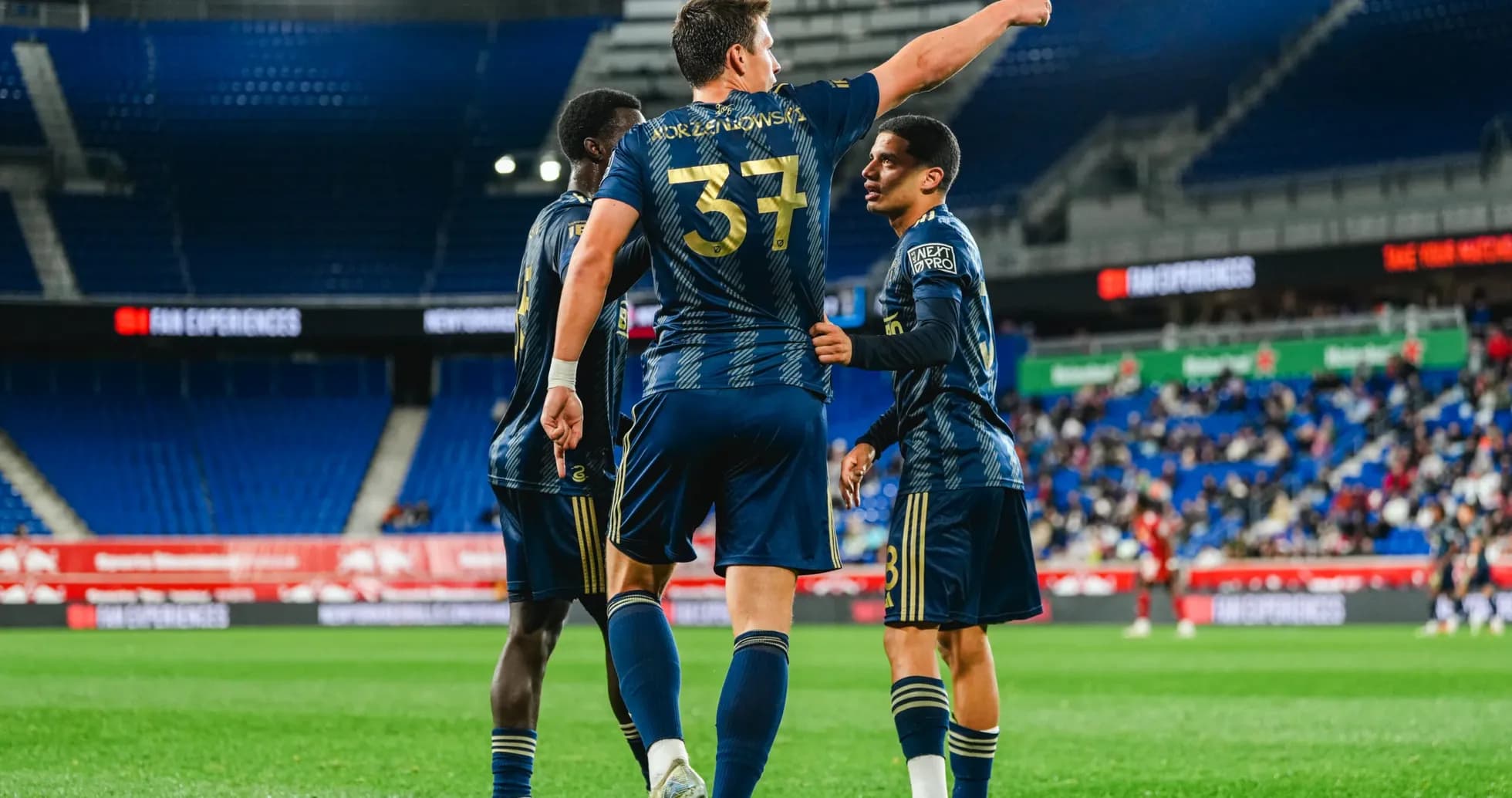
Houston Dynamo FC II Dominates Colorado Rapids II 3–1
Under the night lights at CIBER Field, this MLS Next Pro Group Stage clash was less a meeting of equals and more a live demonstration of what a fully formed identity looks like against a side still searching for one. Colorado Rapids II, rooted to the bottom of the Frontier Division, fell 3–1 to a relentless Houston Dynamo FC II machine that arrived as league leaders and left looking every bit like a side destined for the play-offs.
Heading into this game, the table already told a stark story. Colorado sat 7th in the Frontier Division with 3 points, a goal difference of -10 and a brutal all-round record: 0 wins, 0 draws, 8 losses, with 9 goals for and 19 against overall. At home they had played 4, lost 4, scoring 5 and conceding 11. The underlying season stats painted an even harsher picture: overall they had scored 9 and conceded 22, with an overall goals against average of 2.8 per match. Houston, by contrast, were top of the Frontier Division on 23 points, with a goal difference of 17 built from 20 goals for and just 3 against overall. On their travels they had been perfect: 4 wins from 4, 7 goals scored and 3 conceded, with an away scoring average of 2.0 and an away defensive average of 0.8. This was the league’s most complete side visiting its most fragile.
I. The Big Picture: contrasting DNAs
Colorado’s season-long DNA has been defined by fragility and chaos. Overall, they concede an average of 3.0 goals at home and 2.5 away, and they have yet to keep a single clean sheet in 8 matches. The 8-game losing streak is not a blip; it is their identity right now. Their 1.3 goals scored at home on average suggest they can threaten, but the defensive collapse overwhelms any attacking promise.
Houston’s profile is the mirror opposite. Overall, they average 2.6 goals scored per game and concede just 0.4. They have kept 5 clean sheets in 8 matches, including 4 at home and 1 away, and have not failed to score once. Their biggest wins — 5–0 at home and 3–1 away — underline that they can dominate both with and without the ball. The 8-game winning streak is not just form; it is a structure, a belief system.
This 3–1 away win fits neatly into that arc: Houston again scored multiple goals, again controlled the margin, and again demonstrated why they sit 1st in both their Frontier Division and the broader Eastern Conference grouping.
II. Tactical Voids and discipline
Injury and absence data is unavailable, but the lineups themselves reveal where each side is leaning. Erik Bushey sent out Colorado with Z. Campagnolo in goal and a youthful, developmental core in front of him: N. Strellnauer, K. Thomas, C. Harper and J. Cameron formed the defensive and build-up base, with A. Harris and N. Tchoumba likely tasked with giving some control in midfield. Further ahead, A. Fadal, K. Stewart-Baynes, S. Wathuta and M. Diop were entrusted to provide the vertical threat.
The problem for Colorado all season has not been just talent, but temperament. Their yellow-card distribution shows a side that often loses emotional control in key phases: 35.00% of their yellows come between 31–45 minutes, and a further 20.00% between 61–75 minutes. Red cards are spread evenly across 31–45, 46–60 and 61–75 minutes, each at 33.33%. That is a team that tends to unravel in the heart of each half, precisely when game states are most volatile.
Houston, by contrast, manage their aggression. Their yellows cluster late: 22.73% between 61–75 minutes and another 22.73% between 76–90 minutes, with smaller shares in earlier windows. They push the line in the closing stages, when they are often protecting leads, but avoid the catastrophic red cards that have haunted Colorado.
In this match, that underlying discipline gap was visible in the way Houston controlled the first half, racing to a 2–0 lead by the interval. Colorado’s season-long pattern of first-half wobble reappeared; Houston’s composure and structure held.
III. Key Matchups: Hunter vs Shield, and the Engine Room
The “Hunter vs Shield” duel here was systemic rather than individual. Houston’s attack — which had scored 21 goals overall before this fixture — faced a Colorado defence that had already allowed 22 overall and 12 at home. The numbers made it clear: this was an elite attack against one of the league’s softest back lines.
Pedro Cruz, starting in goal for Houston, stood behind a back unit of N. Betancourt, I. Mwakutuya, V. Silva and M. Dimareli. In front of them, G. Rivera and M. Arana anchored midfield, with R. Miller and S. Mohammad providing energy and width, and A. Brummett and J. Bell offering creativity and finishing. This structure is why Houston have conceded just 3 goals overall: lines are compact, distances short, and the press coordinated.
Colorado’s “Engine Room” of A. Harris and N. Tchoumba faced a daunting assignment against Rivera and Arana. Houston’s midfield duo are the enforcers and metronomes of this side, screening the back line while launching quick transitions. Colorado’s midfield needed to disrupt that rhythm but too often were forced into chasing runs, leaving gaps for Brummett and Bell to exploit between the lines.
Up front, Stewart-Baynes and Wathuta tried to stretch Houston’s back four, while Diop sought pockets to receive. The solitary Colorado goal after the break was a reward for their persistence, but it came within a broader pattern of Houston control: the visitors were content to absorb and then strike.
IV. Statistical Prognosis and xG logic
Even without explicit xG numbers, the season data offers a clear expected pattern. Houston’s overall scoring average of 2.6 against Colorado’s overall concession average of 2.8 points naturally toward a multi-goal away tally. On their travels, Houston’s 2.0 goals scored per game meets a Colorado home defence conceding 3.0 on average; that intersection alone suggests a likely 2–3 goals for the visitors.
At the other end, Colorado’s 1.3 home goals scored per match against Houston’s away defensive average of 0.8 hints at a marginal but real chance of the hosts finding the net once, especially chasing the game. A 3–1 scoreline is almost a mathematical crystallisation of those trends: a superior attack imposing itself, a leaky defence punished, and a home side that can land a punch but not sustain pressure.
Following this result, Houston Dynamo FC II’s unbeaten, all-win start extends, reinforcing their status as the division’s benchmark. Colorado Rapids II, meanwhile, remain locked in their spiral, their season-long issues of defensive instability and disciplinary volatility once again exposed. The numbers warned this story was coming; the 90 minutes at CIBER Field simply wrote it in bolder ink.