Germany Players Fund Travel for Fans Amid World Cup Price Surge
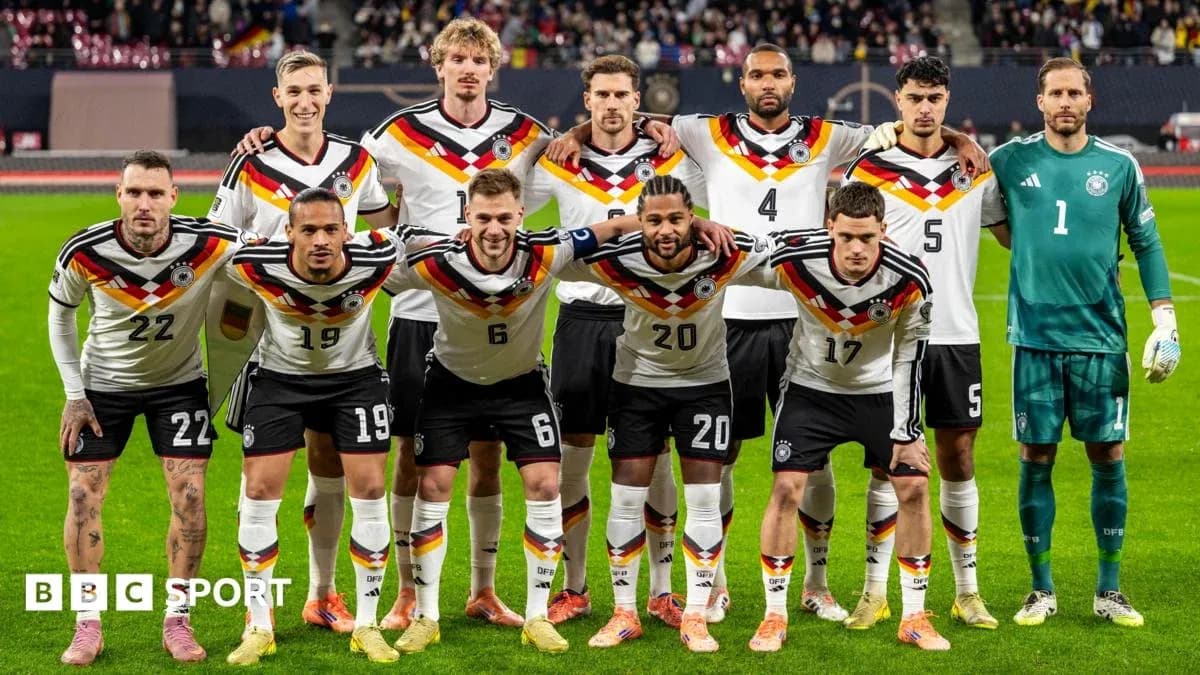
Germany’s players have moved from talking about fan culture to paying for it.
Amid a storm over eye-watering transport prices around the World Cup in the United States, the national team squad will fund bus travel for 600 German supporters to their final Group E match against Ecuador at Met Life Stadium on 25 June.
The gesture comes after ticket prices for public transport between New York and the New Jersey venue rocketed far beyond normal levels.
A standard train fare from central New York to the stadium area, usually $12.90 (£9.50), was first hiked to $150 for the tournament. It has since been reduced, but only as far as $98 – still more than seven times the usual cost.
Shuttle buses were no better. Initially set at $80 for a similar journey, those fares have now been cut to $20, a figure that still jars with supporters who had grown used to very different arrangements at recent World Cups.
The backlash has been sharp enough for the New Jersey governor to publicly point the finger at Fifa, saying the inflated prices stem from the governing body’s refusal to subsidise transport expenditure for the event.
Germany’s players decided not to wait for a political fix.
“In light of the high cost of bus and train travel in New York during the World Cup, the German national team players have organised free transport to the final group match for 600 fans,” the German FA announced.
“Captain Joshua Kimmich and his team-mates are covering the cost of buses to take supporters from New York to the arena in New Jersey for the match against Ecuador.”
It is a pointed move in a tournament already under scrutiny for its price structure. At the World Cups in Russia and Qatar, fans could rely on free transport to stadiums and fan zones, a key part of the host offering and a lifeline for travelling supporters trying to manage costs across several weeks.
The US had pledged to follow that model in its 2018 host agreement. But a revision to that deal in 2023 quietly changed the landscape: instead of free travel, supporters would be charged at “cost value”.
On paper, that sounds reasonable. On the ground, it has produced train fares that bear little resemblance to everyday pricing and left fans feeling squeezed at a tournament that already demands heavy spending on flights, accommodation and tickets.
Into that gap have stepped Kimmich and his squad, turning a squad gesture into a subtle statement about who should be carrying the burden for the modern World Cup experience: the fans, the hosts, or the players who say they play for them.